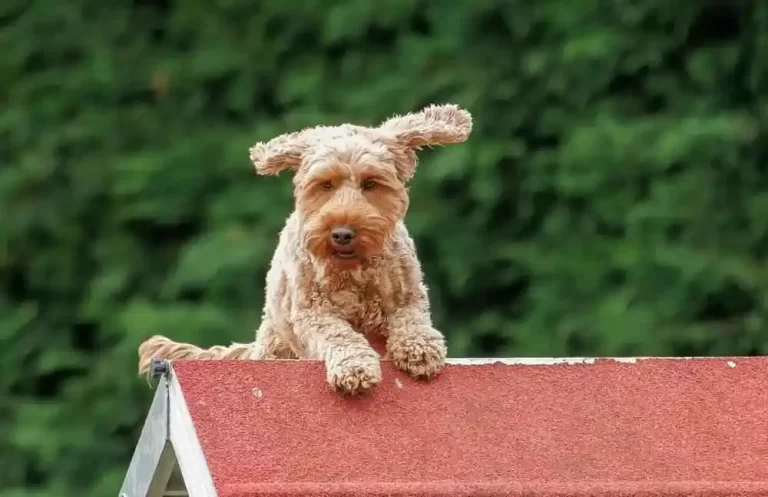

How to stop the dog from barking is a common question many pet owners ask, especially when their beloved companion’s vocal habits start affecting their daily lives. Barking is a normal, healthy behavior in dogs — it’s how they communicate. But when barking becomes excessive, it can lead to frustration, sleepless nights, and even problems with neighbors. Understanding why dogs bark and learning how to redirect that energy in positive ways is key to creating a peaceful home.
Before jumping into solutions, let’s get something straight: barking isn’t inherently bad. Dogs bark when they’re happy, scared, lonely, excited, anxious, or bored. Your goal shouldn’t be to stop your dog from barking entirely but rather to manage when and how they bark. That’s the sweet spot for a well-adjusted, happy pet and a peaceful household.
Let’s explore in depth how to stop the dog from barking without stress, punishment, or frustration.
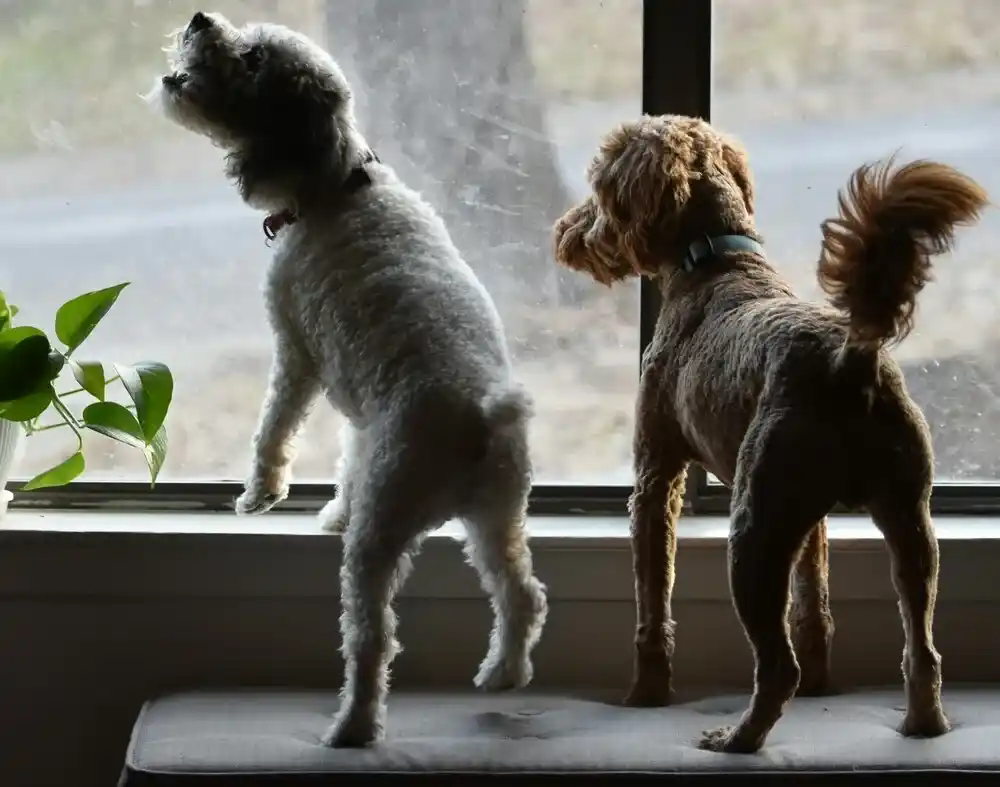
Why Do Dogs Bark So Much?
The first step in solving any barking issue is understanding the cause. Dogs don’t bark to annoy you — they bark to express something. Here are the most common reasons:
1. Alert Barking:
Your dog may be alerting you to something — a person walking by, a sound outside, or even a leaf blowing across the yard. This is instinctive. Dogs are natural protectors.
2. Attention-Seeking:
Dogs quickly learn that barking gets your attention. Whether it’s food, playtime, or just eye contact, barking often means “look at me!”
3. Boredom:
A bored dog is often a loud dog. Without physical and mental stimulation, barking becomes a way to release pent-up energy.
4. Anxiety:
Dogs that struggle with separation anxiety often bark when left alone. This is a deeper emotional issue and needs a compassionate approach.
5. Excitement or Play:
Sometimes your dog is just thrilled — about going on a walk, greeting a guest, or seeing a squirrel. This type of barking is usually high-pitched and happy.
6. Frustration:
If your dog sees something they can’t reach, like a toy under the couch or a dog behind a fence, barking can become a release of frustration.
7. Medical Issues:
Pain, discomfort, or even age-related conditions like cognitive decline can increase barking. Always rule out health concerns with a vet first.
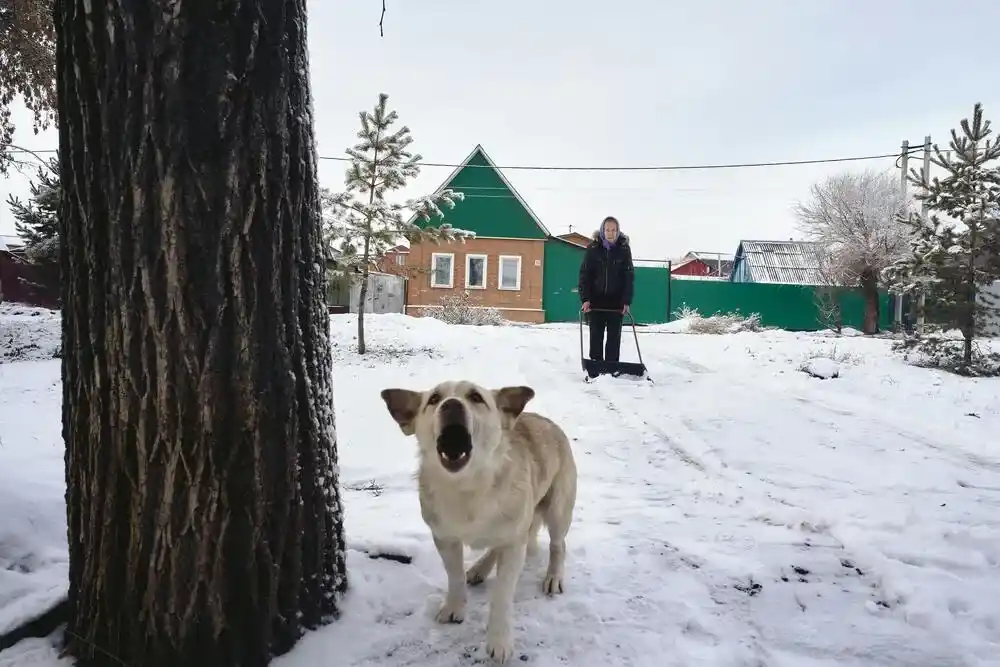
How to Stop the Dog from Barking Without Punishment
Let’s dive into effective, humane strategies that truly work. The goal is to help your dog feel secure and heard while reducing the barking.
1. Identify the Trigger First
You can’t fix what you don’t understand. Watch closely: What happens right before your dog starts barking? Is it the sound of the doorbell, people walking past the window, or your phone ringing?
Once you identify the specific trigger, you can start to work on desensitizing your dog or removing the trigger from their environment temporarily.
Example: If your dog barks at people passing by the window, apply a privacy film or move the couch away from that spot. Out of sight, out of bark.
2. Increase Daily Physical and Mental Exercise
A tired dog barks less — it’s that simple. Many behavioral issues, including barking, are often rooted in excess energy.
Try adding the following to your daily routine:
Longer walks or two walks a day
Puzzle feeders
Scent games
Obedience training sessions (even 10 minutes helps!)
Fetch, tug, or structured play
Exercise addresses boredom and helps with anxiety and frustration, three of the top reasons for barking.
3. Use the “Quiet” Command — Consistently
One of the most powerful tools you have is the quiet command — but it has to be taught patiently. Here’s how:
Allow your dog to bark once or twice.
Say “Quiet” in a calm, firm voice.
Wait for a pause (even a second of silence).
Praise and reward immediately.
Repeat this consistently over time. Soon, your dog will connect the word “quiet” with staying silent — and the reward that follows.
Never yell “quiet!” or punish barking. That only increases stress and leads to more vocalization.
4. Don’t Reward the Barking
It sounds obvious, but it’s common: you give your dog attention when they bark — even if it’s to say “no!” or “stop it!” To your dog, that’s attention.
Instead, ignore barking completely, then praise your dog the moment they’re quiet. This teaches that silence, not barking, earns your engagement.
For attention-seeking barkers, try training an alternative behavior. For example, if your dog wants to go outside, teach them to ring a bell by the door instead of barking.
5. How to Stop the Dog from Barking at Night
Nighttime barking is a huge problem for many dog owners. It disrupts sleep and can feel like there’s no end in sight.
Here’s what helps:
Make sure your dog’s basic needs are met before bedtime: food, water, potty break.
Set a consistent bedtime routine: Dogs love predictability.
Use a white noise machine to mask outside sounds.
Offer a cozy, den-like sleeping space — a crate, for example.
If your dog suffers from separation anxiety at night, start working on crate training during the day first.
Some dogs bark at night out of habit. With patience and structure, this can be reversed.
6. How to Stop the Dog from Barking in the Car
Car barking often stems from excitement, anxiety, or overstimulation.
Here are a few proven strategies:
Desensitize your dog with short, calm trips.
Use a crate or harness to keep them secure and reduce movement.
Cover the windows to limit visual triggers.
Play calming music.
Use high-value treats to associate the car with positive feelings.
If barking continues, practice calm car behaviors at home first — such as sitting in the parked car with the engine off while rewarding quiet.
7. Use Mental Enrichment Daily
Mental stimulation is just as important as physical exercise. Without it, dogs can become restless, anxious, and yes — barky.
Daily enrichment ideas:
Hide treats around the house
Offer treat-dispensing toys
Rotate toys every few days
Teach new tricks regularly
Enrichment gives your dog a “job” and helps calm their mind, making barking less likely.
8. Avoid Anti-Barking Devices and Punishment
Avoid the temptation to use shock collars, citronella collars, or any device meant to punish barking. These don’t address the root cause and often create fear, anxiety, or even aggression.
Instead, focus on building a relationship of trust and communication. Positive reinforcement always wins in the long run.
9. How to Stop the Dog from Barking When You’re Away
When you’re not home, barking often gets worse. Separation anxiety or boredom can fuel long hours of vocalization.
Here’s how to help:
Leave background music or white noise
Provide interactive toys or frozen KONGs
Try a dog camera with two-way audio
Crate train your dog gradually for safe, calm alone time
Avoid dramatic exits or greetings
Gradually increase your time away in small increments. Over time, your dog will feel more comfortable being alone.

Final Thoughts: How to Stop the Dog from Barking Takes Time — and Love
Reducing barking isn’t an overnight fix. It requires consistency, empathy, and patience. Every dog is different, and what works for one pup may not work for another.
But one thing is universal: when a dog feels understood, safe, and stimulated, excessive barking fades into the background.
If you’re still wondering how to stop the dog from barking, take heart — you’re not alone. Many pet parents face this challenge, but with the strategies above, you’re already on the right path.
Train with kindness, reward the calm, and celebrate the small wins. You and your dog are a team — and with time, your peaceful home will speak for itself.