
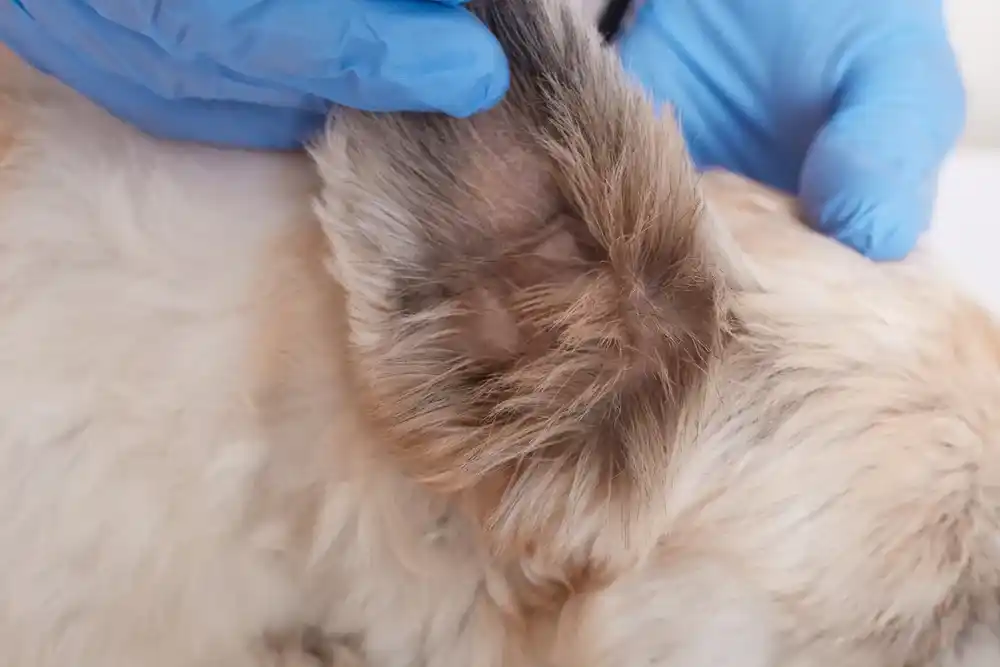
Ticks aren’t just annoying hitchhikers—they’re dangerous parasites that threaten your dog’s health and comfort. These blood-sucking arachnids can spread serious diseases to both pets and humans, making prevention and early detection critical. In this comprehensive guide, we’ll walk you through everything you need to know about tick on dogs: how to spot them, how to prevent them, and how to remove them safely.
Understanding Ticks on Dogs
Ticks are not insects—they’re arachnids, like spiders and mites. They have eight legs and feed on blood to survive. Ticks go through four life stages: egg, larva, nymph, and adult. At each stage after the egg, they need to feed on a host—often your dog. Their small size and stealthy behavior allow them to latch onto dogs unnoticed, hiding in thick fur or warm crevices.
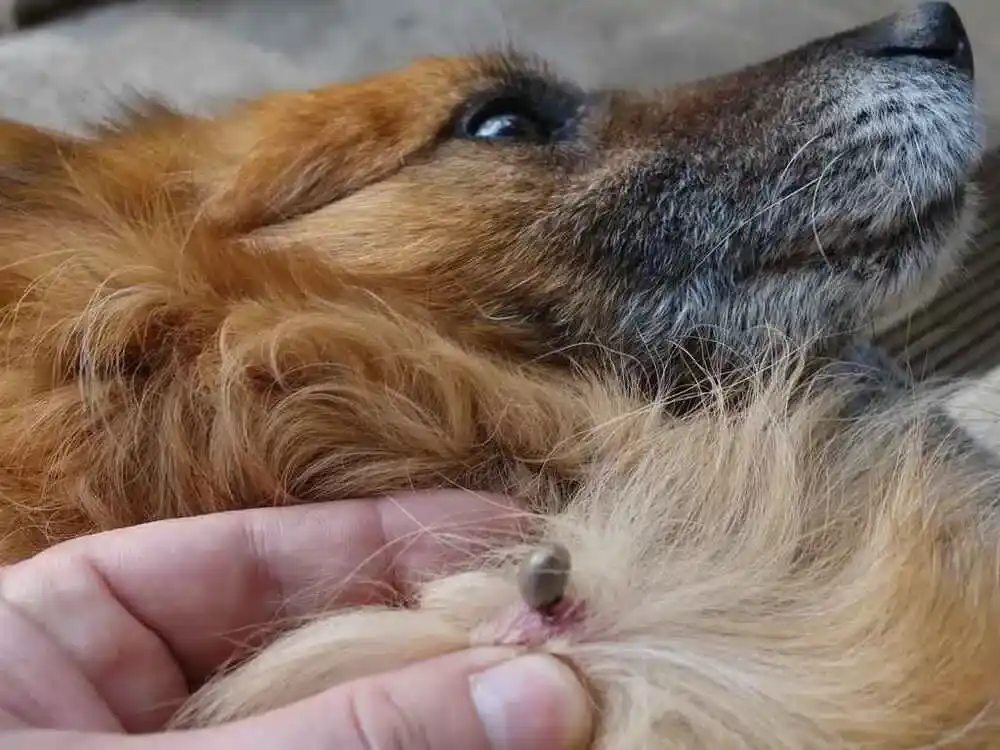
Ticks often wait in grassy or wooded areas for a host to pass by. Once they latch on, they can feed for days before dropping off. While feeding, they can transmit bacteria, viruses, and protozoa into your dog’s bloodstream.
Common Tick-Borne Diseases in Dogs
Ticks on dogs aren’t just unpleasant—they’re dangerous. Here are some of the most common diseases they can transmit:
Lyme Disease: Causes fever, loss of appetite, lameness, joint pain, and lethargy.
Ehrlichiosis: Causes fever, swollen lymph nodes, bleeding problems, and lethargy.
Anaplasmosis: Leads to joint pain, fever, and appetite loss.
Babesiosis: Damages red blood cells and may cause dark urine, pale gums, weakness, and fever.
Rocky Mountain Spotted Fever: Can cause fever, vomiting, muscle pain, and sometimes neurological signs.
Where Ticks Hide on Your Dog
Ticks are sneaky. They prefer warm, hidden areas. After outdoor activities, check your dog thoroughly, especially:
Around the ears and neck
Under the collar
Between the toes
In the groin area
Under the tail
Around the eyes and lips
For long-haired or double-coated breeds, be extra thorough. Run your hands slowly over the dog’s body and use a flea comb to part the fur.
How to Detect Ticks on Dogs
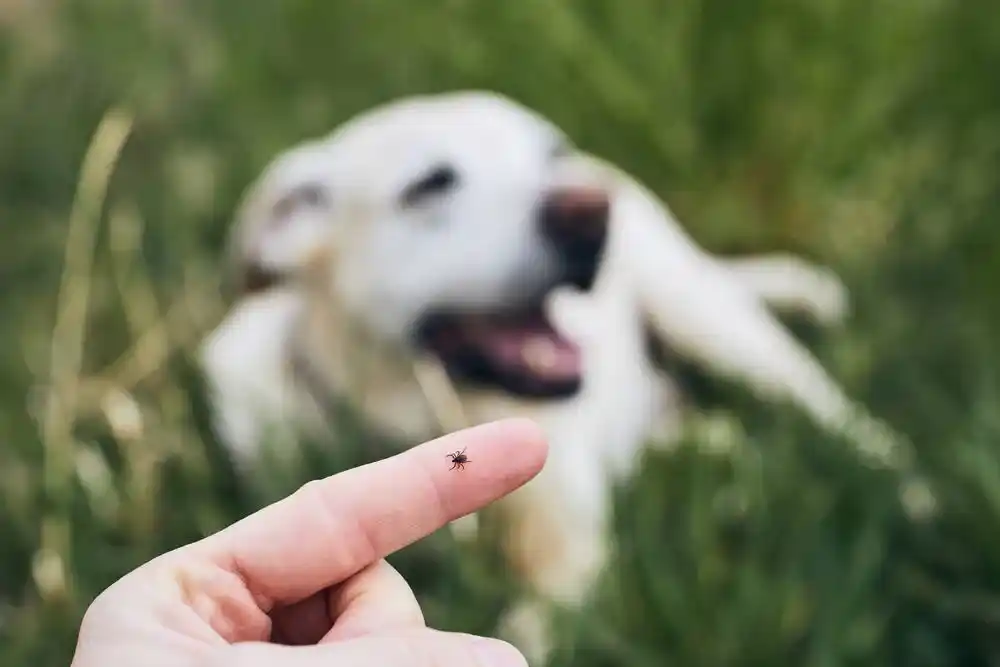
Ticks can be mistaken for small bumps or scabs. To detect them:
Visually inspect and feel your dog’s skin
Look for small, dark, round bumps
Use your fingers to feel areas you can’t easily see
If you find a tick, do not panic. Immediate and proper removal is key to minimizing risk.
Safe Tick Removal from Dogs
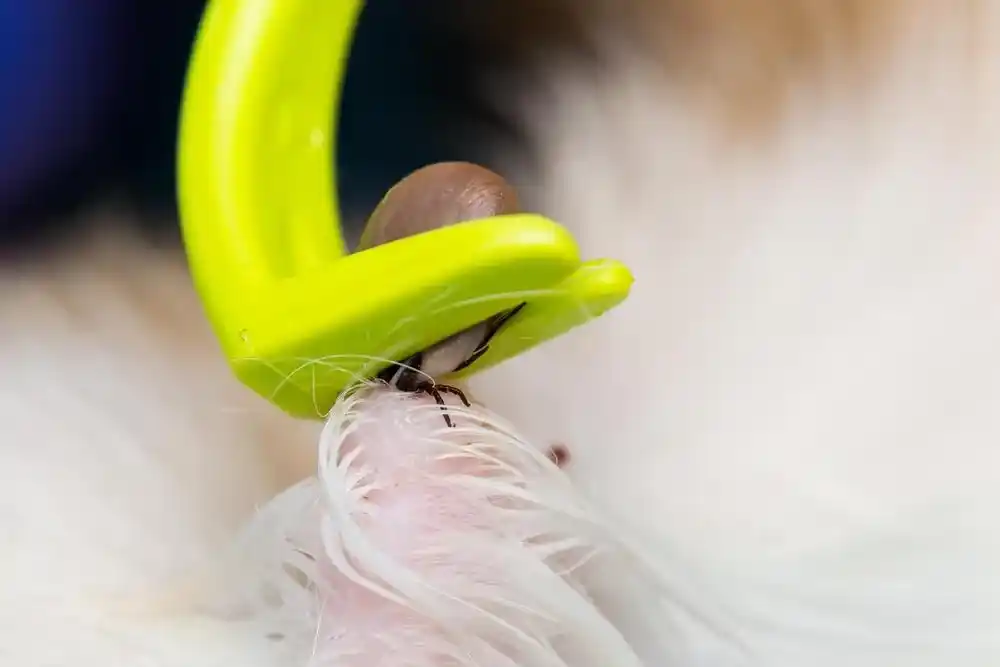
Never squeeze, burn, or twist a tick. Instead:
Use fine-tipped tweezers
Grasp the tick as close to the skin as possible
Pull upward with steady, even pressure
Clean the area with antiseptic
Dispose of the tick by sealing it in a bag or flushing it
Keep an eye on the bite area for signs of infection or inflammation over the next few days.
Preventing Ticks on Dogs
Tick Preventative Medications
There are several options available:
Topical treatments (applied to the skin)
Oral medications (chewable pills)
Tick collars (long-lasting protection)
Your vet can recommend the most effective option based on your dog’s age, weight, and health history.
Maintain Your Yard
Make your outdoor space less tick-friendly:
Mow grass regularly
Remove leaf litter and brush
Keep your dog away from woodpiles or tall weeds
Use pet-safe tick repellents around the perimeter
Check After Outdoor Activities
Always inspect your dog after walks, hikes, or playtime in grassy areas. The sooner you remove a tick, the lower the risk of disease transmission.
Seasonal Awareness
Tick activity peaks in spring and summer, but in many U.S. regions, ticks can be active year-round. Warmer winters and suburban expansion have extended tick seasons, so don’t let your guard down in cooler months.
Can Humans Get Ticks from Dogs?
Ticks don’t jump from pets to people, but they can drop off your dog and attach to you later. That’s why regular tick checks and household cleanliness are essential.
Vacuum regularly, especially in areas where your dog sleeps or rests. Wash bedding often and consider using sprays or treatments for your home if you live in a high-risk area.
Recognizing Symptoms of Tick-Borne Diseases
Watch your dog for signs like:
Fever
Lethargy
Swollen joints
Loss of appetite
Vomiting
Pale gums or bruising
If you notice any of these symptoms, consult your vet. Early diagnosis increases the chance of full recovery.
Should Your Dog Get Vaccinated for Tick Diseases?
In high-risk areas, your vet may recommend a Lyme disease vaccine. While it doesn’t protect against all tick-borne illnesses, it adds a layer of defense when combined with other preventatives.
Traveling with Your Dog
Planning a trip? Research tick activity in your destination. Ticks vary by region. For example:
Northeast & Upper Midwest: High Lyme disease risk
South: Ehrlichiosis and Rocky Mountain Spotted Fever
West Coast: Anaplasmosis and emerging tick species
Always bring your dog’s tick preventatives on vacation and avoid letting them roam in unfamiliar woods or tall grass.
Myth-Busting Tick Prevention
Some common myths include:
“Ticks die in winter” — False. Some survive freezing temps.
“Indoor dogs don’t need prevention” — False. Ticks can hitch a ride on humans or other animals.
“Natural remedies are enough” — False. While they may help, they’re not a substitute for vet-approved medications.
Grooming & Hygiene
Regular grooming helps spot ticks early. Bathing your dog with tick-control shampoos can help kill ticks on contact, but it’s not a standalone solution. Clean ears and trimmed fur reduce hiding places.
Long-Term Tick Control Strategy
An effective tick control plan includes:
Consistent use of preventatives
Seasonal awareness
Yard management
Regular vet visits and checkups
Tick removal supplies at home
Final Thoughts
Ticks on dogs are more than just a nuisance—they’re a serious threat. But with vigilance, the right preventatives, and a well-informed approach, you can significantly reduce the risk. From backyard barbecues to summer hikes, protect your four-legged friend year-round.
Always consult your veterinarian for the best tick prevention program tailored to your dog. Together, you can keep your pet safe, healthy, and tick-free for all the adventures to come.