
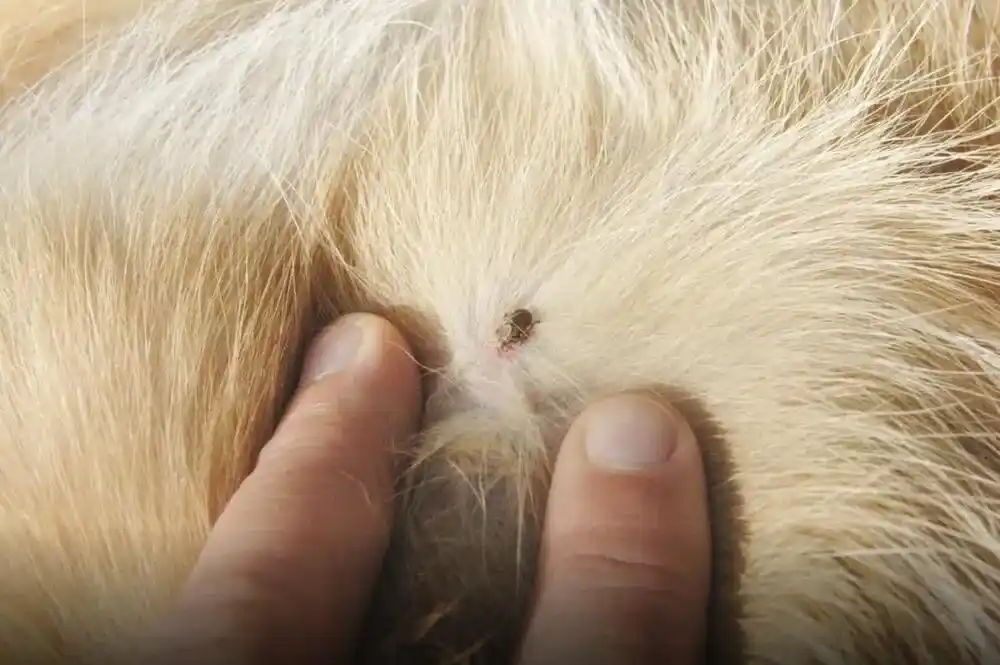
Have you ever noticed your dog acting quieter than usual, losing its appetite, or suddenly running a fever? These signs may seem harmless, but they could indicate a hidden threat that lurks in backyards, dog parks, and even inside your home. Tick disease in dogs is a silent danger that many American pet owners underestimate — but it deserves your full attention.
With multiple symptoms, different ways of showing up, and the potential to cause severe complications, tick-borne diseases can harm your best friend faster than you think.
So, let’s dive into everything you need to know to recognize, treat, and, most importantly, prevent tick disease in dogs.
What Is Tick Disease in Dogs and How Does It Spread?
Despite the singular name, tick disease in dogs isn’t just one illness. It’s actually a group of diseases transmitted by ticks, especially the brown dog tick (Rhipicephalus sanguineus) — a common parasite in American homes and yards. Ticks act as carriers for dangerous microorganisms that invade your dog’s body and can trigger severe health reactions.
Some of the most common tick-borne infections in the U.S. include:
Ehrlichiosis – Caused by Ehrlichia canis, this infection attacks white blood cells, harming your dog’s immune system and destroying platelets, which affects blood clotting.
Babesiosis – In this case, the protozoan Babesia canis infects red blood cells, reducing oxygen delivery throughout the body and often causing severe anemia.
But these aren’t the only threats. Other tick-borne diseases are also on the rise in the U.S.:
Lyme Disease (Borreliosis) – Spread by Borrelia burgdorferi, Lyme disease affects both dogs and humans, especially in regions with high deer tick populations.
Anaplasmosis – This often silent infection can cause long-term health problems if left untreated.
Rocky Mountain Spotted Fever – A serious, zoonotic disease that can affect people and other animals as well.
As you can see, ticks do far more than just make your dog itch. They carry life-threatening diseases, and repeated exposure can put your pet at constant risk.
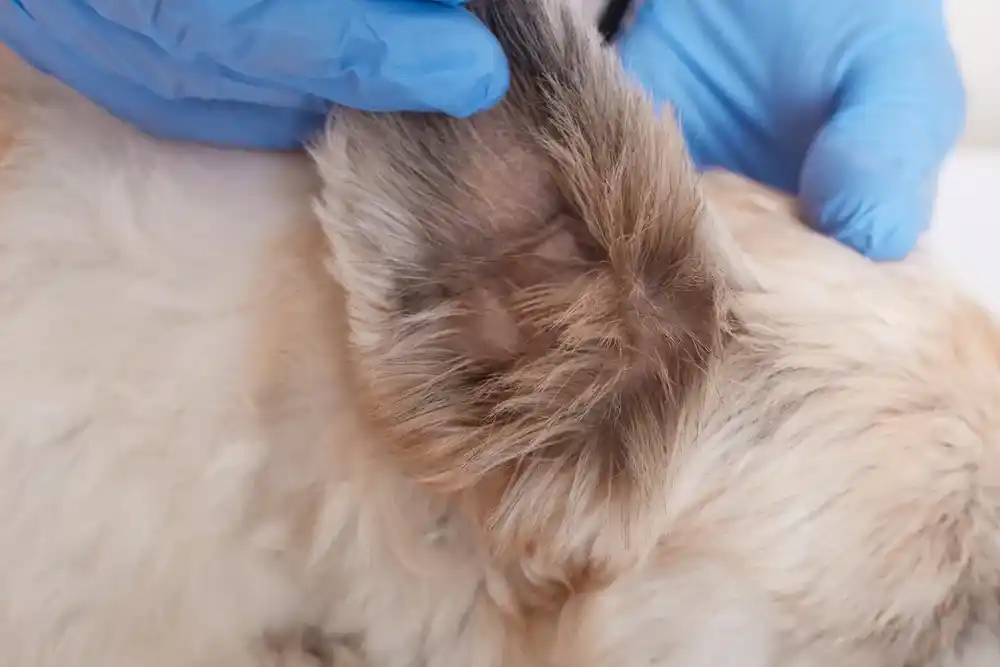
Symptoms of Tick Disease in Dogs: Know What to Watch For
Early detection of tick disease in dogs is crucial for recovery, but the signs aren’t always obvious. Many pet parents notice subtle behavior changes without realizing they could signal something serious.
Here are the most common red flags:
Persistent fever with no clear cause
Lethargy, depression, or isolation
Loss of appetite
Unusual bleeding (like nosebleeds or blood in urine)
Red spots on the skin, gums, or eyes (petechiae)
Pale or yellowed gums and mucous membranes
Dark or decreased urine output
Swollen limbs
Seizures or tremors
Sudden weight loss
Symptoms can appear anywhere from 7 to 21 days after a tick bite. Initially, the disease shows up in an acute phase with mild signs. However, if left untreated, it can progress to a chronic stage, requiring even more intensive care.
Don’t ignore subtle changes. Staying alert is your best defense against complications.

Tick Disease in Dogs: Quick Diagnosis Saves Lives
If you notice any unusual signs, take your dog to the vet right away. Early diagnosis makes all the difference. Vets usually run complete blood tests to assess the infection’s impact on your dog’s body.
Depending on your dog’s history — like where you’ve been walking, if your yard has tall grass, or if your dog plays with other pets — your vet might order additional tests to confirm the type of infection.
Quick action and a proper diagnosis are key to choosing the right treatment plan and avoiding costly complications.
Tick Disease in Dogs: Treatment and Recovery
The good news is that tick disease in dogs can be treated and cured — even in advanced cases. Success depends on catching it early and following your vet’s instructions closely.
Most treatments involve antibiotics, especially if the disease is diagnosed in its early stages. Treatment length can vary from two weeks to two months, depending on how severe the infection is. In more serious cases, your dog may need blood transfusions, additional medication, and intensive supportive care.
During recovery, rest and hydration are vital. Keeping your dog’s environment clean, minimizing stress, and giving all prescribed meds on time will help your pet bounce back faster. Follow-up vet visits are just as important to ensure there are no hidden infections or relapses.
Many owners don’t realize that some bacteria can stay dormant in the body after symptoms fade — a subclinical phase. That’s why routine checkups are essential, even when your dog seems healthy again.

Tick Disease in Dogs: How to Prevent It
Now that you understand how dangerous tick disease in dogs can be, it’s time to take preventive action. Prevention is always the safest way to protect your furry friend — and it’s easier than you might think with consistent habits and the right products.
Here are some essentials every U.S. pet parent should follow:
✅ Use vet-recommended flea and tick collars or chewable preventives;
✅ Apply spot-on or spray repellents regularly;
✅ Always check your dog’s coat after outdoor adventures — focus on ears, paws, armpits, and neck;
✅ Keep your yard mowed and free of tall grass or brush piles;
✅ Hire professional pest control for your yard if you live in a tick-prone area;
✅ Wash your dog’s bedding and vacuum your home often;
✅ Avoid areas with heavy wildlife activity where ticks are common.
Even with prevention, it’s possible for a tick to attach to your dog. If you find one, remove it gently with a proper tick-removal tool. Avoid crushing the tick — doing so could release harmful bacteria. Then, talk to your vet about whether your dog needs testing.
Tick Disease in Dogs: The Hidden Costs and Risks
Tick disease in dogs doesn’t just impact your pet’s blood or organs. It can affect their behavior, quality of life, and even the safety of other animals or people in your home.
Some tick-borne diseases are zoonotic, meaning they can spread to humans — always through the tick itself, not directly from your dog. Still, the risk is real, especially for children or older adults.
Treatment can also become costly if the disease turns chronic, requiring frequent vet visits, expensive medications, and potential hospital stays. That’s why investing in prevention is not only better for your dog’s health — it’s also better for your family’s peace of mind.
Tick Disease in Dogs: Stay One Step Ahead
The fight against ticks demands year-round vigilance, especially in spring and summer when ticks are most active. These tiny parasites may seem harmless, but they carry serious threats that can upend your dog’s life.
Knowing what to watch for, acting quickly, and sticking to a solid prevention routine are the best ways to keep your dog safe. Taking care of your pet’s health is an act of love — and staying informed is the first step to giving your dog a long, healthy, and joyful life.
Remember: ticks are sneaky. They hide, wait for the perfect moment, and strike when you least expect it. So stay one step ahead. Your dog deserves that protection — and you deserve the peace of mind that comes with it.