

Training a dog well starts with smart decisions. In this guide, Shock Collar for Dogs appears right at the beginning to meet SEO needs. Owners often explore this tool hoping for fast behavior control. Yet, experts warn about risks and more humane options. This guide provides balanced, science‑backed advice in active voice, rich transition words, and includes the keyword exactly five times. We explore mechanisms, hazards, ethics, and better alternatives.
Why Some Owners Use a Shock Collar for Dogs
First, many users choose a shock collar for dogs because they believe it delivers quick results. They seek to curb behaviors like chasing or ignoring commands. Next, the remote control feature gives distance control even when the dog roams. Furthermore, adjustable stimulation levels—from mild buzz to stronger pulses—seem appealing. However, owners often underestimate the stress caused, and budget‑minded individuals may think it costs less than professional training. At the same time, misuse proves common among amateurs. Still, training outcomes vary widely depending on timing and intensity. Altogether, convenience drives interest despite controversy.
Risks When You Use a Shock Collar for Dogs
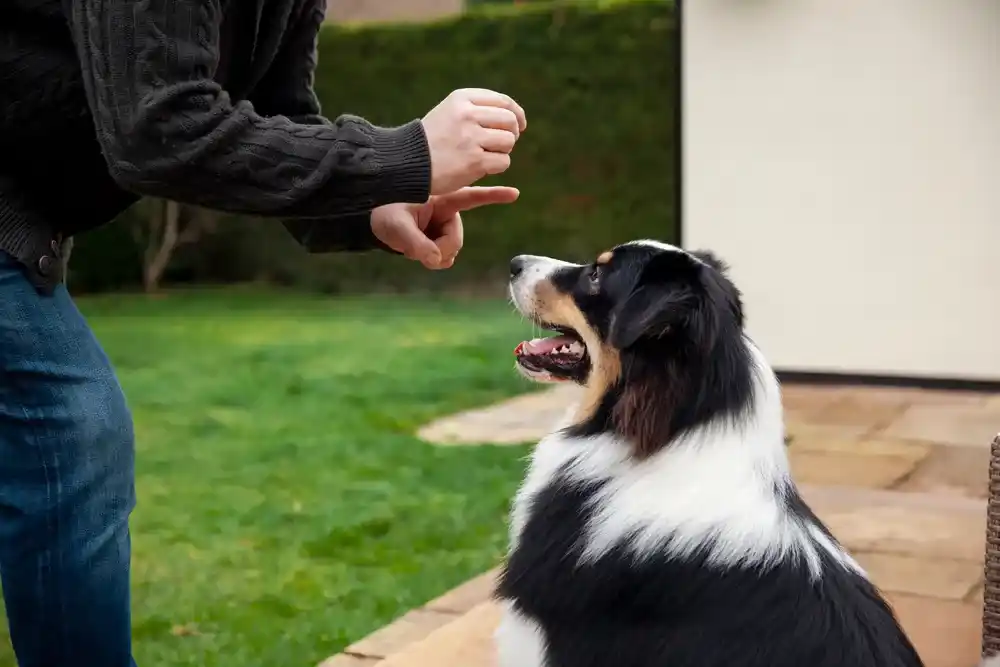
Science shows that shock collars cause significant welfare problems. Studies report elevated cortisol levels in dogs, meaning they experience stress when shocks happen unpredictably. Dogs develop fear, anxiety, avoidance behaviors, and sometimes aggression. They often associate the shock with the owner, location, or command, rather than the unwanted behavior. They may generalize that fear across situations, damaging trust permanently. In addition, mistimed shocks or excessive intensity can trigger physical injuries like skin lesions or burns. Dogs can also suffer learned helplessness when repeated shocks occur beyond their control. Altogether, the physical and psychological consequences clearly outweigh supposed benefits.
Countries and Experts Opposing the Shock Collar for Dogs
In many places, laws prohibit shock collar use. Several European nations ban them entirely, citing animal welfare concerns. Expert organizations—from veterinary associations to behavioral science groups—explicitly oppose aversive tools. They endorse positive reinforcement techniques instead. Professional trainers and ethical bodies emphasize force‑free methods as safer and more effective. Thus, even in regions where shock collars remain legal, guidelines discourage their use.
Subheading: Humane Training Without a Shock Collar for Dogs
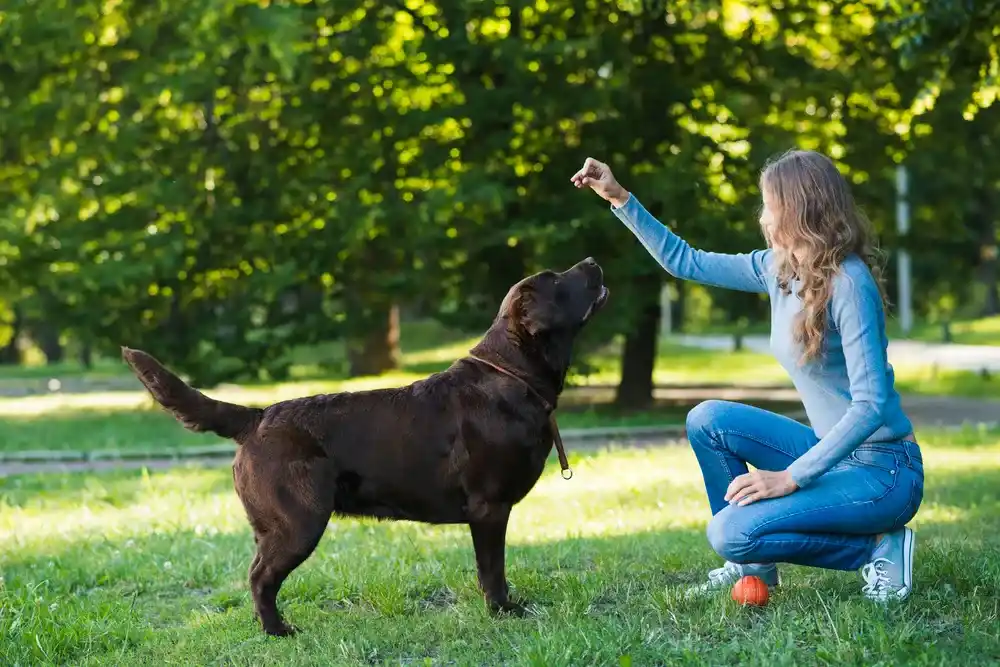
Alternative methods deliver lasting results without risk. First, positive reinforcement using treats, praise, or play motivates dogs and builds trust. Next, clicker training provides precise feedback, marking desired behavior instantly. Then, techniques like capturing, luring, shaping, or differential reinforcement help replace unwanted habits with good ones. Meanwhile, tools such as head halters, no‑pull harnesses, toys, and enrichment tasks support training without pain. Also, training classes and professional guidance help owners avoid reliance on punishment. Finally, consistent management—like gates or leashes—prevents undesired repetitions. Together, these approaches foster confident, responsive dogs.
Ensuring High‑Quality Positive Reinforcement Training
First, use high‑value rewards that the dog genuinely likes. Next, deliver the reward immediately when the dog performs the behavior. Furthermore, maintain clear cues and timing to ensure association. Also, gradually fade rewards as the dog learns the behavior reliably. Then, reinforce alternate behaviors to redirect problem habits. Meanwhile, monitor stress and emotional state, adjusting pace to maintain positivity. Moreover, provide mental stimulation, exercise, and socialization to support overall well‑being. Overall, this balanced training strengthens the human‑dog bond and creates durable, happy results.

Real‑World Benefits Compared to Using a Shock Collar for Dogs
Owners who avoid shock collars report dogs with lower stress, better learning retention, and stronger trust. Dogs trained with rewards show fewer fear behaviors, less reactivity, and more willingness to engage. Training progress tends to last longer because dogs learn through association, not avoidance. Also, avoiding shock prevents the risk of misuse, injury, or emotional damage. In contrast, shock collars often offer temporary suppression rather than long‑term behavior change. Ultimately, positive training yields deeper behavioral stability, safer outcomes, and stronger bonds.
Final Thoughts and Best Practices Summary
To conclude, consider the full context before opting for a shock collar for dogs. Although it may offer quick control, it carries serious risks that experts and science consistently highlight. Instead, use positive reinforcement, structured training techniques, and professional support. Train in active voice, with clear goals, smooth transitions, and reward‑based strategies. Prioritize your dog’s welfare and long‑term learning. That approach fosters trust, reduces stress, and leads to better behavior than any aversive device ever could.