If you have ever seen your dog suddenly stop, stretch their neck, and make loud snorting or honking sounds, you know how alarming it can be. Many pet owners panic the first time it happens, believing their dog is choking or struggling to breathe. In reality, what you are witnessing is often reverse sneezing in dogs. Although the sound can be unsettling, this condition is usually harmless. Still, understanding it thoroughly helps you stay calm, recognize when it is normal, and know when to seek veterinary care.
This comprehensive guide will explain everything about reverse sneezing: what it is, why it happens, how to recognize it, and what to do when your dog experiences it.
What Is Reverse Sneezing in Dogs?
Reverse sneezing in dogs is a reflexive action that occurs when a dog rapidly pulls air into the nose, rather than pushing it out like in a typical sneeze. The result is a distinctive snorting or honking sound. Unlike a regular sneeze, which clears irritants from the nasal passages outward, reverse sneezing involves sudden inhalation to relieve irritation in the throat, soft palate, or nasopharynx.
Episodes usually last from a few seconds to a minute or two. Afterward, the dog typically returns to normal as if nothing happened. Even though the sound may be loud, it is rarely painful for the dog.
Recognizing the Signs of Reverse Sneezing
The first step in managing reverse sneezing in dogs is learning how to identify it correctly. During an episode, you may notice:
A sudden halt in activity.
The dog standing still with an extended neck.
Loud, snorting, or honking sounds as air is pulled inward.
Flared nostrils or rapid breathing through the nose.
Normal behavior resuming immediately after the episode ends.
Unlike choking or respiratory distress, reverse sneezing does not cause the dog to collapse, turn blue, or lose consciousness. This distinction helps owners remain calm during an episode.
Common Causes of Reverse Sneezing in Dogs
There are many potential triggers for reverse sneezing. Some are environmental, while others are related to a dog’s anatomy or health conditions.
1. Environmental Irritants
Dust, pollen, cleaning products, or perfumes can irritate nasal passages, triggering reverse sneezing.
2. Excitement and Overstimulation
Many dogs experience episodes when overly excited, such as during greetings, playtime, or before a walk.
3. Temperature and Air Quality
Cold weather, dry air, or sudden temperature changes may irritate the throat and nasal passages.
4. Anatomical Factors
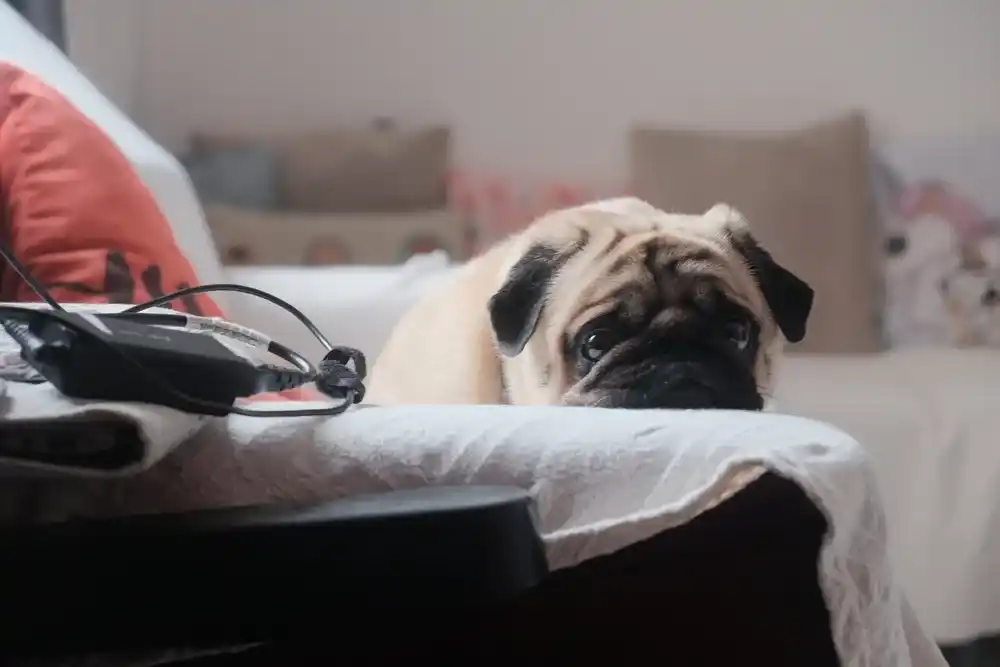
Short-nosed (brachycephalic) breeds like Pugs, Bulldogs, and Shih Tzus are more prone due to their narrow airways and elongated soft palates.
5. Foreign Objects
Seeds, grass, or tiny debris can enter the nasal passage, triggering irritation and reverse sneezing episodes.
6. Allergies
Dogs sensitive to certain foods or environmental allergens may have more frequent episodes.
Difference Between Reverse Sneezing and Other Health Problems
Although reverse sneezing in dogs is generally harmless, it is important to distinguish it from other medical issues:
Collapsing trachea: A chronic condition seen in small breeds that causes a “goose-honk” cough.
Respiratory infections: Conditions like kennel cough cause persistent coughing, nasal discharge, and lethargy.
Heart disease: May lead to coughing, fatigue, and difficulty breathing.
Nasal tumors or polyps: Rare, but can mimic symptoms of reverse sneezing.
If episodes are frequent or accompanied by concerning symptoms, veterinary evaluation is necessary.
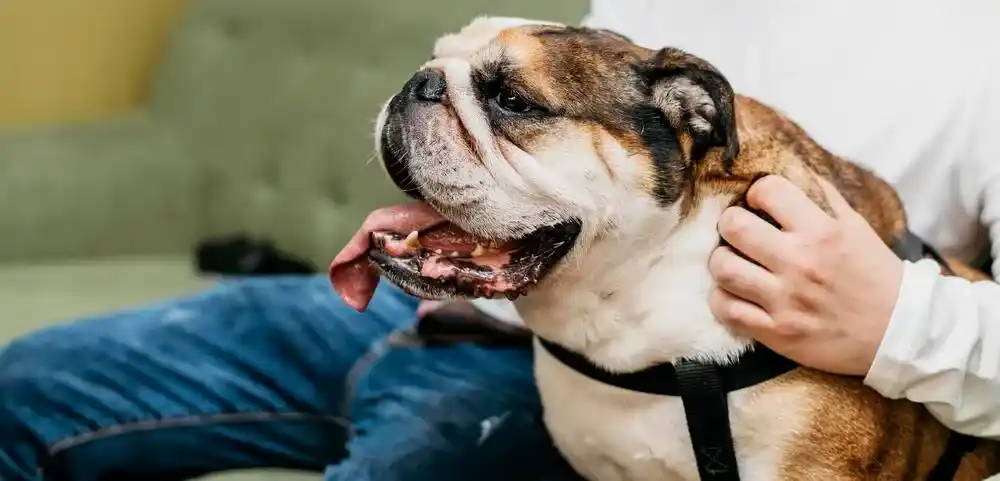
What to Do During a Reverse Sneezing Episode
Watching reverse sneezing in dogs can be stressful, but knowing how to react makes the process easier for both you and your pet.
Here are practical steps:
Stay calm: Your reaction influences your dog’s anxiety.
Gently massage the throat: Encourages swallowing and relaxation of the muscles.
Briefly cover the nostrils: This can cause your dog to swallow, which may stop the episode.
Offer fresh water afterward: Helps clear the throat and reduce irritation.
Never insert objects into the dog’s mouth or throat. Instead, let the episode pass naturally.
When to Contact a Veterinarian
Most cases of reverse sneezing in dogs do not require medical treatment. However, veterinary care is necessary if:
Episodes occur daily or several times a day.
Episodes last longer than two minutes.
Your dog shows additional symptoms such as lethargy, loss of appetite, or nasal discharge.
Your dog has a history of heart or respiratory disease.
A veterinarian may perform exams such as X-rays, rhinoscopy, or allergy testing to determine underlying causes.
Treatment Options for Reverse Sneezing
Since reverse sneezing is often harmless, treatment is not always needed. However, in persistent or severe cases, veterinarians may recommend:
Antihistamines: To reduce allergic triggers.
Environmental adjustments: Using air purifiers, humidifiers, or avoiding irritants.
Weight management and exercise moderation: To reduce airway pressure in predisposed breeds.
Surgical correction: Rarely, dogs with severe anatomical issues may benefit from corrective surgery.
Preventing Reverse Sneezing Episodes
While not every episode can be prevented, there are steps you can take to reduce their frequency:
Keep living areas free of dust and strong odors.
Avoid smoking or using strong cleaning chemicals around your dog.
Walk your dog in areas with fewer allergens when possible.
Provide consistent exercise to manage stress and excitement.
Maintain regular veterinary check-ups for early detection of related issues.
Breeds Most Affected by Reverse Sneezing
Although all dogs can experience it, certain breeds are more predisposed:
Pugs
Bulldogs (English and French)
Shih Tzus
Lhasa Apsos
Yorkshire Terriers
Chihuahuas
Maltese
Owners of these breeds should be especially attentive and learn how to manage episodes calmly.
Frequently Asked Questions
1. Can reverse sneezing hurt my dog?
No. It may sound dramatic, but it is usually painless and harmless.
2. Can reverse sneezing be cured?
There is no permanent cure, but it can be managed and episodes can often be reduced with environmental adjustments.
3. How long does a reverse sneezing episode last?
Typically, between 10 seconds and 2 minutes. If it lasts longer, consult a vet.
4. Can puppies experience reverse sneezing?
Yes. Puppies can have episodes, especially when excited or exposed to irritants.
Final Thoughts on Reverse Sneezing in Dogs
Experiencing reverse sneezing in dogs for the first time can be frightening, but understanding the condition helps you stay calm and supportive. For most dogs, episodes are occasional, short-lived, and harmless. By recognizing triggers, keeping your environment clean, and knowing when to seek veterinary help, you ensure your dog’s health and peace of mind.
Instead of fearing the sound, learn to manage it with patience and awareness. With the right care, your dog can continue to live a happy and healthy life, even with occasional reverse sneezing episodes.