
The pug dog wins hearts across the U.S. with its adorable face, playful personality, and warm companionship. Whether you’re living in a cozy apartment in New York City or a family home in suburban Texas, the pug fits right in. Yet behind their smooshy features lie unique needs that deserve attention. This guide covers everything: from their ancient origins to daily care, health considerations, training, fun facts, and more. Let’s dive into what makes the pug dog a standout breed in American pet culture.
Origin & History: From Imperial China to American Homes
The pug dog has a rich history stretching over 2,000 years. Beginning in China during the Han dynasty, these cuddly canines lived in imperial palaces and even accompanied Buddhist monks in Tibet. Their distinct wrinkles were designed to form the Chinese character for “prince,” showcasing their royal status.
By the 16th century, Dutch traders brought pugs to Europe. A legendary pug once saved the life of William the Silent, the Prince of Orange, cementing the breed’s symbolic tie to Dutch royalty. Later, Queen Victoria owned dozens of them and banned ear cropping in England, helping the breed gain popularity.
The American Kennel Club recognized pugs in 1885. Since then, their playful spirit and affectionate nature have made them a favorite among U.S. families.

Appearance & Size: Compact, Stocky, and Lovably Wrinkled
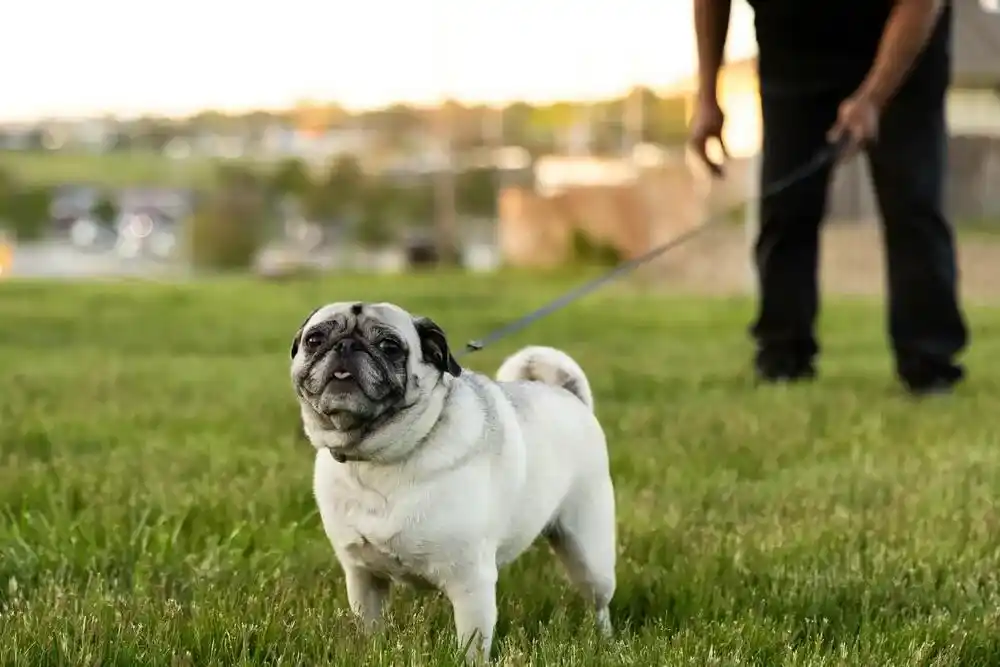
Pugs have a compact, muscular build. They stand 10–13 inches tall and weigh between 14–18 pounds. Their key features include:
- Wrinkled, expressive foreheads
- Large, round eyes full of emotion
- A curled tail that rests over the back
- A short, smooth coat
Standard colors include fawn and black, though silver, apricot, and brindle pugs also exist.
Personality: A Bundle of Joy
Pugs are known as “clowns of the dog world” for good reason. They are:
- Affectionate and loyal
- Playful and curious
- Great with kids and other pets
- Quiet but expressive
They thrive on human interaction and dislike being left alone for long periods. Their charming antics and loving nature make them ideal companions for families, singles, and seniors alike.

Exercise & Activity: Moderate and Enjoyable
Though they enjoy lounging, pugs need daily light exercise. A 30-minute walk or indoor play session keeps them fit and prevents obesity. Avoid walks during peak heat, as their short snouts make them prone to overheating.
Ideal Living Environment
Pugs adapt well to apartments, townhomes, and single-family houses. They don’t require large yards but do need cool, well-ventilated spaces, especially in summer. Their quiet nature and moderate activity level make them perfect urban companions.
Pug Health & Care Essentials
Owning a pug means committing to specific health needs:
- Breathing Issues: Their flat faces can cause respiratory distress, especially in hot or humid weather. Use a harness, not a collar, during walks.
- Wrinkle Care: Clean their skin folds regularly to prevent infections. Use gentle wipes or a damp cloth.
- Eye Protection: Their bulging eyes are injury-prone. Keep sharp objects and rough play away.
- Grooming: Brush weekly to manage shedding and keep the coat healthy.
- Nail Trimming: Long nails can cause discomfort. Trim every 2–3 weeks.
- Weight Management: Pugs gain weight easily. Feed measured portions and avoid table scraps.
- Vet Checkups: Annual exams help detect issues like hip dysplasia or Pug Dog Encephalitis early.
Nutrition Tips
Choose high-quality dog food formulated for small breeds. Split meals into two servings a day. Fresh water should always be available. Use treats sparingly and never feed chocolate, grapes, onions, or fatty foods.
Training & Socialization
Pugs are intelligent but can be stubborn. Training works best when it’s fun and reward-based. Start with basic commands like sit, stay, and come. Early socialization helps prevent anxiety and ensures a well-behaved adult pug.
Fun Facts About Pugs
- A group of pugs is called a “grumble.”
- They often snore due to their facial structure.
- Napoleon’s wife used a pug to send secret messages.
- Pugs have appeared in movies like “Men in Black.”
- Their name may derive from the Latin “pugnus,” meaning fist.
Adoption vs. Purchase
While pug puppies from breeders can cost $800–$2,000, adoption is a great option. Many rescues specialize in brachycephalic breeds and offer loving dogs in need of homes. If buying, choose a reputable breeder who screens for genetic issues.

Is the Pug Right for You?
Choose a pug if you want:
- A loyal and affectionate companion
- A small, quiet dog suited for apartment life
- A breed that loves being close to its humans
Avoid pugs if you travel often or can’t commit to regular grooming and vet care.
Final Thoughts
The pug dog is a delightful blend of charm, comedy, and loyalty. Their big eyes and bigger hearts make them unforgettable companions. By understanding their needs and providing proper care, you’ll enjoy a joyful relationship with your pug for years to come.
Whether you adopt or buy, give your pug the attention and love they deserve. In return, you’ll receive endless affection, gentle snorts, and a loyal shadow who just wants to be by your side.