The Pitbull is one of the most misunderstood dog breeds in the United States. Known for its strength, loyalty, and intelligence, this breed often faces stigma due to media portrayal and irresponsible ownership. However, when raised in a responsible environment, a Pitbull can be a gentle, loving, and protective family dog.
In this comprehensive guide, we explore the breed’s history, physical and behavioral traits, health considerations, training techniques, and best practices for raising a Pitbull in an American household. Whether you are a first-time owner or an experienced handler, this article provides everything you need to give your Pitbull a happy and healthy life.
The History of the Pitbull in America
The Pitbull’s origins trace back to early 19th-century England, where Bulldogs were crossed with Terriers to create strong, agile dogs for bull-baiting and farm work. The breed later arrived in the United States, where it became known as the American Pit Bull Terrier.
In America, the breed transitioned from working roles to family companions. During World War I and II, Pitbulls were celebrated as symbols of loyalty and courage in American propaganda posters. Despite their working-class origins, Pitbulls became beloved for their devotion, playfulness, and resilience.
Unfortunately, media sensationalism in the late 20th century and illegal dogfighting operations tarnished the breed’s reputation, leading to breed-specific legislation (BSL) in some states. Today, advocacy groups emphasize education and responsible ownership to restore the Pitbull’s image and ensure these dogs find loving homes.

Physical Characteristics of the Pitbull
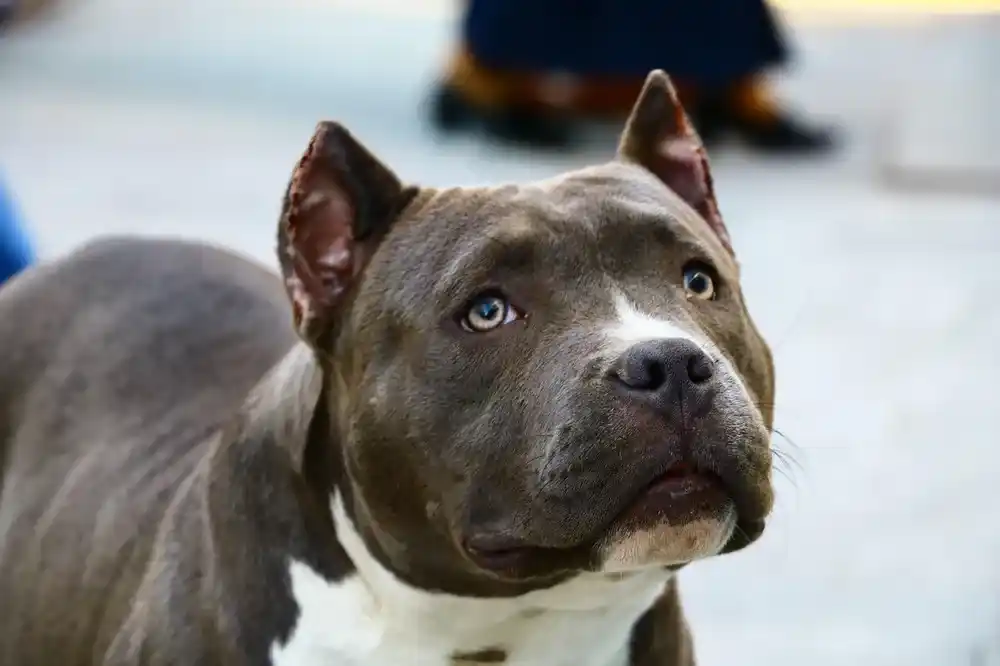
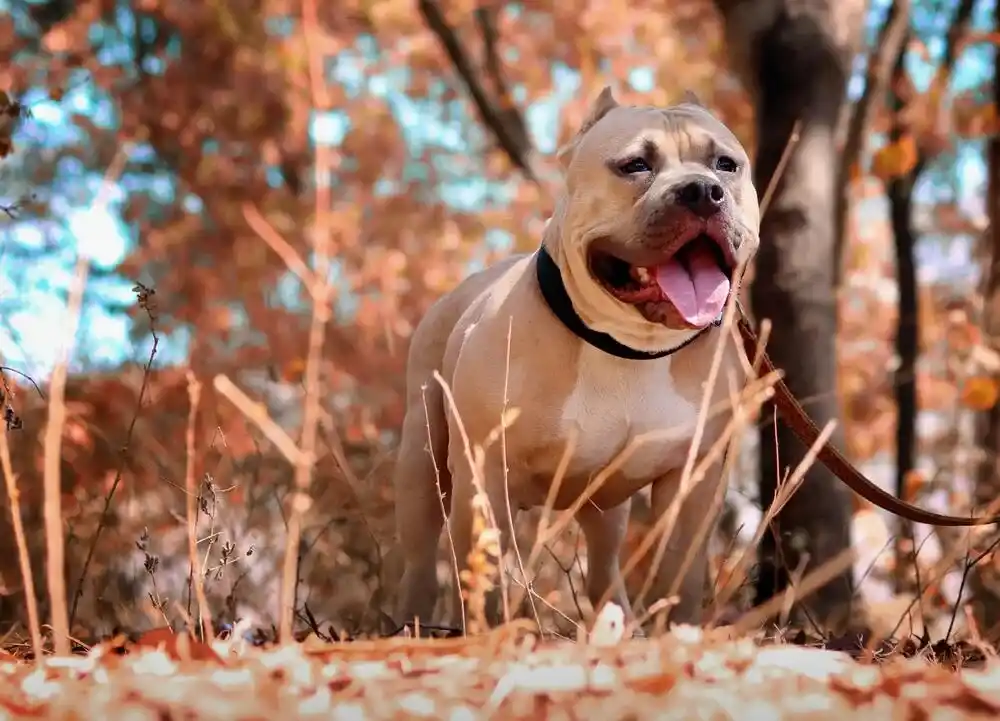
Pitbulls are medium-sized, muscular dogs with confident, athletic builds. Males usually weigh 35–60 pounds, while females weigh 30–50 pounds. Their short, smooth coats come in a variety of colors, including brindle, black, blue, white, and fawn.
Their broad head, strong jaw, and expressive eyes give them a distinctive appearance. Despite their muscular build, Pitbulls are agile and excel in sports such as agility, weight pulling, and obedience competitions.
Key physical traits:
Height: 17–21 inches
Weight: 30–60 pounds
Coat: Short, low-maintenance
Lifespan: 12–14 years
Personality and Temperament
Pitbulls are affectionate and people-oriented dogs. Proper socialization ensures they are playful, eager to please, and highly loyal. They thrive on human interaction and can form deep bonds with family members.
Contrary to stereotypes, Pitbulls are not naturally aggressive toward humans. Many are gentle with children and enjoy participating in family activities. However, early socialization and consistent training are crucial due to their strong prey drive and athleticism.
Positive reinforcement works best; reward-based training encourages trust and cooperation. Avoid harsh methods, as these can damage their confidence and behavior.

Common Myths About Pitbulls
“Pitbulls have locking jaws” – This is false. Their jaw structure is similar to any other dog breed.
“Pitbulls are inherently aggressive” – Aggression often results from neglect, abuse, or poor training, not breed alone.
“Pitbulls are unsuitable for families” – Many Pitbulls are gentle, affectionate, and excellent companions when raised properly.
Dispelling myths is essential to improving public perception and increasing adoption rates.
Caring for Your Pitbull
Pitbulls require more than food and shelter—they need exercise, mental stimulation, and positive interaction.
Diet and Nutrition
A balanced diet maintains muscle mass and energy. Opt for high-quality kibble with real meat as the first ingredient. Avoid excessive fillers like corn, wheat, and soy.
Feeding tips:
Feed twice daily to prevent bloat.
Adjust portions based on activity level.
Always provide fresh water.
Exercise Requirements
Pitbulls are energetic and need 60–90 minutes of daily activity. Lack of exercise can lead to destructive behaviors.
Recommended activities:
Jogging or long walks
Fetch and tug-of-war
Agility training
Swimming
Mental Stimulation
Provide puzzle toys, obedience exercises, and interactive play. Mental engagement prevents boredom and supports emotional well-being.

Training Your Pitbull
Training ensures a confident, well-mannered dog capable of adapting to various environments.
Early Socialization
Introduce your Pitbull to different people, animals, and environments early. Exposure prevents fear-based aggression and builds confidence.
Obedience Training
Focus on basic commands: sit, stay, come, leave it. Keep sessions short, consistent, and fun. Reward-based methods yield the best results.
Behavioral Management
Redirect unwanted behaviors like chewing or jumping to acceptable outlets. Seek guidance from a certified trainer for persistent issues.
Health Considerations
Pitbulls are generally healthy, but certain conditions are more common. Proactive veterinary care ensures longevity and quality of life.
Common health issues:
Hip dysplasia
Allergies
Heart disease
Thyroid disorders
Parvovirus in unvaccinated puppies
Prevention tips:
Annual vet check-ups
Up-to-date vaccinations
Flea, tick, and heartworm prevention
Living With a Pitbull in the United States
Before adopting, check local laws. Some cities and states enforce restrictions or bans due to breed-specific legislation. Ensure your home and yard are secure to prevent escapes.
Responsible ownership, education, and training are key to helping Pitbulls thrive in American families.
Advanced Care Tips
Grooming
Pitbulls have low-maintenance coats. Weekly brushing removes loose hair and keeps the skin healthy. Bathe only as needed to avoid drying out their skin.
Dental Health
Regular brushing and dental chews prevent tartar buildup and maintain oral health.
Social Enrichment
Arrange playdates, dog park visits, and interactive games to nurture social skills and prevent anxiety.
Understanding Pitbull Behavior
Recognizing communication signals helps prevent misunderstandings. Pitbulls use body language, vocalizations, and facial expressions to express emotions.
Common behaviors:
Wagging tail = excitement or friendliness
Licking = affection or appeasement
Growling = warning, not always aggression
Understanding these cues improves training and strengthens bonds.
Pitbulls and Children
Pitbulls can be excellent companions for children when supervised. They enjoy play, are gentle when socialized properly, and often form protective bonds.
Safety tips:
Supervise all interactions
Teach kids to respect boundaries
Encourage gentle play
Conclusion
The Pitbull is a loyal, intelligent, and loving breed. With proper care, training, and socialization, these dogs thrive as devoted companions. By dispelling myths and promoting responsible ownership, we can ensure Pitbulls live happy, healthy, and fulfilling lives in American homes.
A well-raised Pitbull is not just a pet—it’s a devoted family member ready to return love, loyalty, and joy every day.