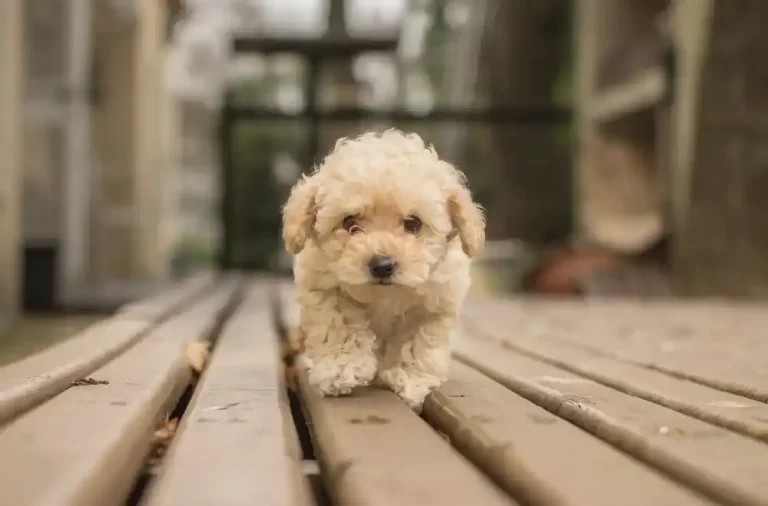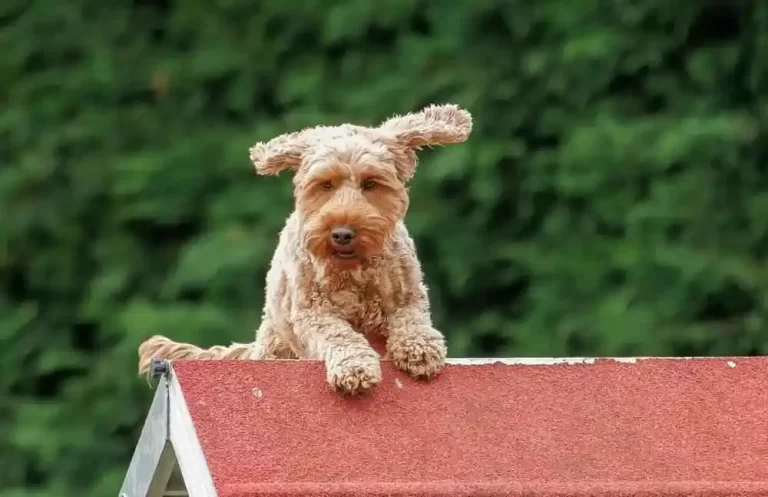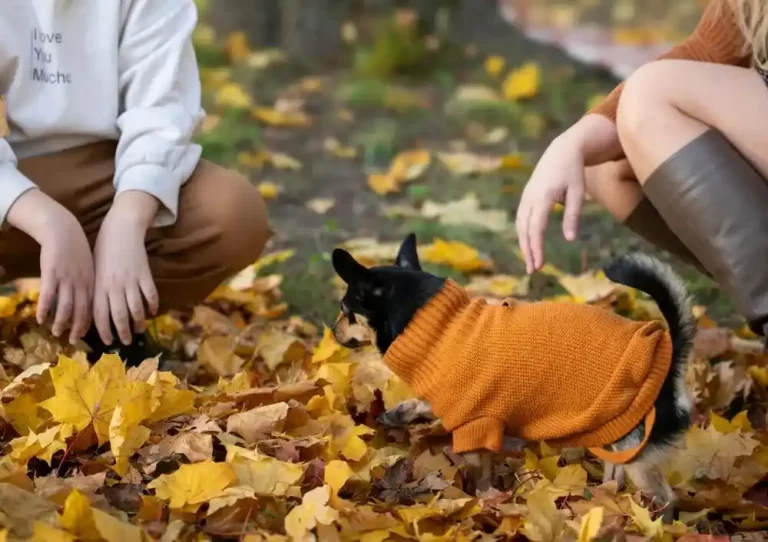

Owning a dog is one of the most rewarding experiences in life. For many people, small dogs hold a special charm. They fit perfectly into apartments, travel easily, and bring just as much love and energy as larger breeds. In this complete guide, we will explore the world of miniature dog breeds, their history, characteristics, training needs, health considerations, and the unique joys of living with them. Whether you are a first-time dog owner or someone searching for a compact companion, this article will provide everything you need to know.
Why Miniature Dogs Have Captured Hearts Worldwide
Miniature breeds have been companions to humans for centuries. From royal palaces to modern city apartments, these small yet spirited pets have found a place in human society. People often choose them for their manageable size, but size alone is not their only appeal.
First, miniature dogs tend to be highly adaptable. They adjust well to different living conditions, from urban high-rises to suburban homes. Second, their personalities often exceed their physical size. Many miniature breeds show incredible confidence, loyalty, and intelligence. Finally, they usually require less physical space, making them suitable for people who want a dog but live in smaller environments.
Transitioning to another important factor, miniature dogs often enjoy longer lifespans compared to larger breeds. Owners can expect many years of companionship, which makes these dogs a lifelong commitment and joy.
History of Miniature Dog Breeds
To fully appreciate miniature breeds, it helps to understand their history. Humans did not always breed small dogs for convenience or aesthetics. In fact, many miniature dogs originally served practical purposes.
For instance, terrier-type miniature dogs were once used to hunt vermin in barns and homes. Their small size allowed them to chase rodents into tight spaces. Similarly, toy breeds were bred to serve as lap companions for royalty and nobility. A well-known example is the Pekingese, adored by Chinese emperors for centuries.
Moving forward in history, the industrial revolution and rise of urban living made miniature dogs more popular among working-class families. People wanted pets that could live comfortably in limited spaces, and miniature breeds became an ideal choice. Today, they remain one of the most popular categories of dogs worldwide.
Personality Traits of Miniature Breeds
Despite their small bodies, miniature dogs often carry big personalities. Some common traits include:
Confidence: Many miniature breeds are bold and fearless, sometimes even challenging dogs much larger than themselves.
Affection: They usually bond deeply with their families and love attention.
Energy: While some are calm lap dogs, others have surprisingly high energy levels and require daily activity.
Alertness: Miniature breeds often make excellent watchdogs. They may not deter intruders physically, but their sharp senses and loud barks provide an early warning system.
Because of these traits, owners should invest time in training and socialization. Without proper guidance, miniature dogs can develop habits like excessive barking or separation anxiety.

Training and Socialization
Training a miniature dog is essential for a happy household. Even though they are small, they need consistent boundaries and positive reinforcement.
First and foremost, start training early. Puppies are most receptive during their first months of life. Basic commands such as “sit,” “stay,” and “come” create a foundation for good behavior. Furthermore, socialization helps prevent fear-based aggression. Introducing a miniature dog to different environments, people, and other pets allows them to grow into well-adjusted adults.
Owners should avoid treating miniature breeds like fragile toys. Carrying them everywhere may feel protective, but it prevents them from learning independence. Instead, allow them to walk, explore, and interact naturally. Transitioning from training to exercise, let’s examine how to keep these dogs healthy and active.
Exercise Needs and Lifestyle
While miniature dogs are smaller, they still require physical and mental stimulation. Neglecting exercise can lead to obesity, behavioral problems, and health issues.
Daily walks, play sessions, and interactive toys are all valuable. However, their needs vary depending on the breed. For example, a miniature Dachshund will require different activities than a Chihuahua. As a rule of thumb, owners should provide at least 30 minutes of active play or walking each day.
Additionally, mental stimulation is crucial. Puzzle feeders, obedience games, and agility exercises can keep a miniature dog mentally sharp. This combination of physical and mental activity ensures a balanced lifestyle.
Miniature Dog Breeds Popular Around the World
Now that we have explored personality and lifestyle, let’s highlight some of the most beloved miniature dog breeds:
Chihuahua: Known for their bold personality and loyalty.
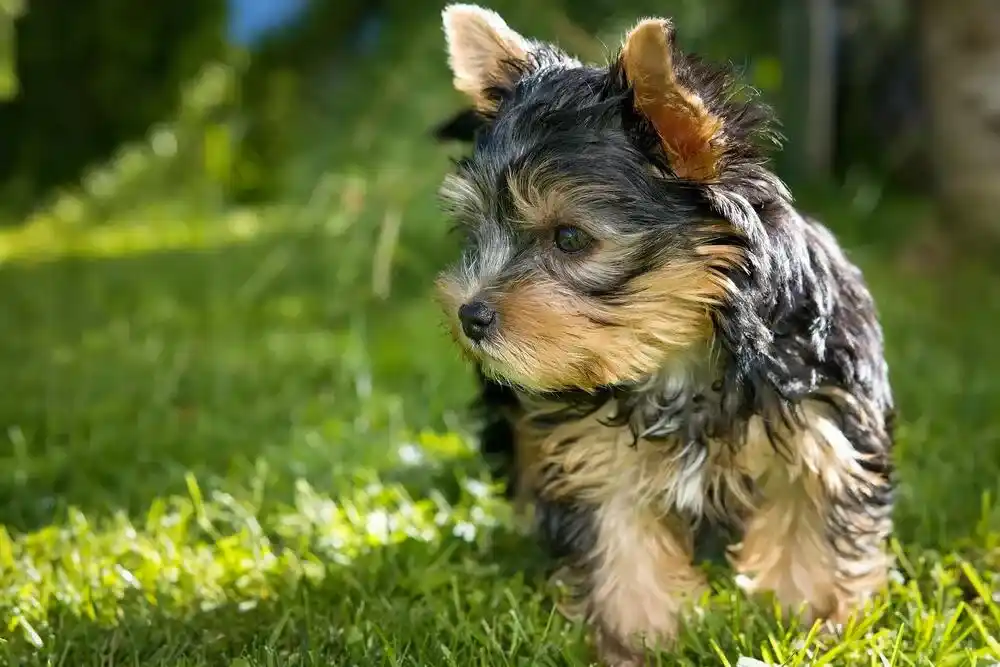
Yorkshire Terrier: Elegant yet feisty, with a beautiful silky coat.
Miniature Dachshund: Playful and curious, originally bred for hunting badgers.
Pomeranian: A fluffy bundle of energy and affection.
Shih Tzu: Gentle and friendly, often considered ideal lap dogs.
Toy Poodle: Highly intelligent and easy to train, with a hypoallergenic coat.
Papillon: Distinctive butterfly-like ears and a lively personality.
Each breed comes with unique strengths, care needs, and challenges. Choosing the right one depends on lifestyle, household size, and personal preference.
Health Considerations for Miniature Breeds
Miniature dogs enjoy longer lifespans compared to larger breeds, often living 12–16 years or more. However, they are also prone to certain health conditions. Common issues include:
Dental problems: Due to small jaws, miniature breeds often suffer from overcrowded teeth and gum disease.
Hypoglycemia: Tiny breeds like Chihuahuas can experience sudden drops in blood sugar.
Luxating patella: A knee condition where the kneecap slips out of place.
Tracheal collapse: Common in toy breeds, this condition affects the windpipe.
Obesity: Because of their size, even small weight gain can create health risks.
Preventing these issues requires regular veterinary care, a balanced diet, and proper exercise. Early detection and treatment significantly improve quality of life.

Grooming and Daily Care
Grooming needs differ between breeds. For instance, Yorkshire Terriers require daily brushing, while short-haired miniature breeds may need only weekly care. Regardless of coat type, routine grooming strengthens the bond between owner and dog.
Nail trimming, ear cleaning, and dental care are equally important. Owners should introduce grooming practices early to help dogs feel comfortable. Transitioning from physical care to emotional well-being, let’s explore the joys of companionship with miniature breeds.
The Joy of Living With Miniature Dogs
Living with a miniature dog brings countless rewards. Their small size allows them to travel easily, whether on car rides, flights, or simply visiting friends. They often form deep emotional bonds and thrive on companionship.
Moreover, miniature dogs are excellent for families, seniors, and singles alike. They provide comfort, joy, and entertainment. Watching a miniature dog chase a toy or curl up on your lap after a long day is one of life’s simple yet profound pleasures.
Transitioning into the final section, let’s reflect on why miniature breeds remain timeless favorites.
Conclusion: Why Miniature Dogs Will Always Be Special
Throughout history, miniature breeds have proven their value as hunters, companions, and loyal friends. Today, they continue to adapt to modern lifestyles while bringing immense joy to their families.
Choosing a miniature dog means embracing responsibility, patience, and unconditional love. These small dogs may not take up much space physically, but they fill homes and hearts with boundless affection.