
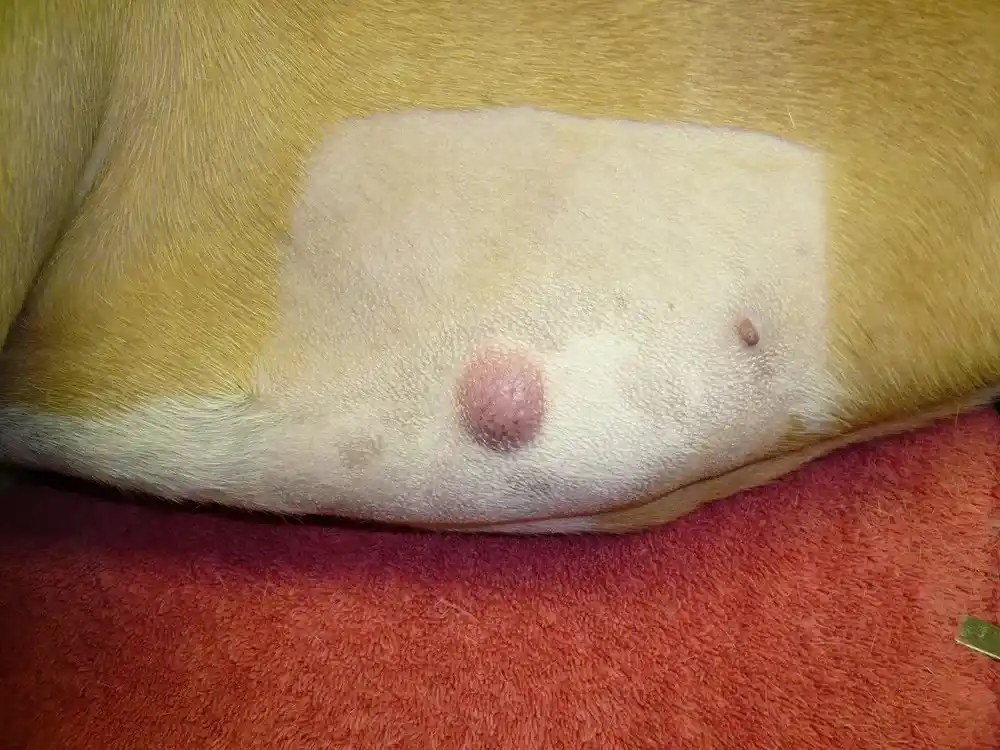
When a dog receives the diagnosis of a mast cell tumor, the emotional impact on the owner can be overwhelming. However, understanding the disease is the first step toward making informed decisions and providing your pet with the best care possible. This article explores everything you need to know about mast cell tumors in dogs — from what they are and how they develop, to treatments, prognosis, and how to support your furry companion through every stage.
What Is a Mast Cell Tumor in Dogs?
Mast cell tumors (MCTs) are among the most common types of skin cancer in dogs. These tumors originate from mast cells, which are a type of white blood cell involved in allergic reactions and inflammation. While mast cells play an important role in the immune system, when they begin to grow uncontrollably, they can form cancerous tumors.
These tumors can appear anywhere on a dog’s body, but they are most often found on the skin. Some may look like harmless lumps or insect bites, while others grow quickly, ulcerate, and become painful. The tricky part is that no two tumors look exactly the same, which makes diagnosis by a veterinarian crucial.
Although the term “mast cell tumor dog” can be frightening, not all MCTs are aggressive or life-threatening. Their behavior varies depending on the tumor’s grade, size, and location, as well as the dog’s overall health.

What Causes Mast Cell Tumors in Dogs?
There is no single known cause for mast cell tumors in dogs, but several risk factors are believed to contribute to their development. Genetics appear to play a major role, with certain breeds more prone to this type of cancer. Breeds such as Boxers, Boston Terriers, Bulldogs, Labrador Retrievers, Pugs, and Golden Retrievers are more frequently diagnosed with MCTs.
Age is another factor, as most affected dogs are middle-aged or older. Additionally, environmental exposure to toxins or chronic skin inflammation may increase the risk, although definitive links are still being studied.
Despite ongoing research, mast cell tumors often develop unexpectedly. That’s why regular physical exams and early veterinary consultations are essential.
How to Identify Symptoms of Mast Cell Tumors
The symptoms of mast cell tumors can be subtle or alarming, depending on the tumor’s stage and location. Most commonly, you may notice a lump or bump on your dog’s skin. Some tumors stay the same size for weeks or months, then suddenly begin to grow or change in appearance.
Other signs to watch for include:
Redness or swelling around a lump
Itchiness or irritation at the site
Ulceration or open wounds on the skin
Vomiting or diarrhea (especially with histamine release)
Lethargy or loss of appetite
Because mast cell tumors release histamine and other chemicals, they can cause gastrointestinal issues and even systemic reactions. In severe cases, this can lead to low blood pressure or shock.
Therefore, any new lump or bump on your dog should be evaluated by a veterinarian as soon as possible.

Diagnosing Mast Cell Tumors in Dogs
Diagnosis starts with a physical examination. If the vet suspects a mast cell tumor, they may perform a fine needle aspiration (FNA), which involves using a needle to extract a sample of cells from the lump for microscopic analysis.
A biopsy is often the next step, especially if the tumor appears aggressive. The biopsy helps determine the grade of the tumor, which influences the prognosis and treatment plan.
In some cases, additional tests like X-rays, ultrasound, or lymph node aspiration may be recommended to check for metastasis (spread of the cancer). Bloodwork and urinalysis also help assess the dog’s overall health before treatment begins.
Knowing the stage and grade of the tumor is essential to developing an effective treatment strategy.
Treatment Options for Mast Cell Tumors in Dogs
Treatment depends on several factors, including the size, location, grade of the tumor, and whether it has spread. The main treatments include:
1. Surgical Removal
Surgery is often the first line of treatment. If the tumor is localized and accessible, complete removal with wide margins offers the best chance for a cure. For low-grade tumors, surgery alone may be sufficient.
2. Radiation Therapy
If the tumor cannot be completely removed or is located near vital structures, radiation therapy may be used to destroy remaining cancer cells. This is often recommended in combination with surgery.
3. Chemotherapy
For high-grade or metastatic mast cell tumors, chemotherapy may be used to slow tumor growth or control systemic disease. Drugs like vinblastine, lomustine, and prednisone are commonly used.
4. Targeted Therapy
Recent advances have introduced targeted therapies such as tyrosine kinase inhibitors (e.g., Palladia), which specifically attack cancer cells with minimal harm to normal tissues. These are especially helpful for inoperable or recurring tumors.
5. Supportive Care
Antihistamines (like Benadryl) and antacids are often prescribed to counteract the effects of histamine release from the tumor. These medications help reduce inflammation, ulcers, and allergic-like symptoms.
The best treatment approach varies with each case. That’s why collaboration with a veterinary oncologist is invaluable.

What to Expect After Treatment
Recovery depends on the tumor’s grade and how early it was diagnosed. Many dogs with low-grade mast cell tumors that were surgically removed go on to live full and healthy lives. Others may require ongoing care, including periodic check-ups, imaging, and possibly additional treatment.
Dogs undergoing chemotherapy or radiation may experience side effects, such as fatigue, appetite changes, or gastrointestinal issues. However, most dogs tolerate these treatments better than humans, and their quality of life can often be maintained.
How to Support Your Dog Emotionally and Physically
Creating a calm, consistent environment is essential for dogs undergoing cancer treatment. Stress can affect the immune system, so your dog benefits greatly from your love, attention, and presence.
Offer soft, nutritious foods if their appetite is low. Avoid rough play but continue to engage in gentle activities that your dog enjoys, like short walks or cuddles on the couch. Monitor for signs of discomfort or distress and keep your vet informed.
Dogs don’t fear illness the way humans do — they live in the moment. And that’s a powerful reminder to stay positive and present with your furry friend.
Living With a Mast Cell Tumor Dog: Daily Adjustments
At this stage, living with a mast cell tumor dog means creating a routine that emphasizes both comfort and vigilance. From adjusting furniture to accommodate mobility, to scheduling regular vet visits and administering medication, your role becomes that of a caregiver and advocate.
Avoid harsh grooming products or rough handling around the tumor site. Keep your dog hydrated, maintain a calm atmosphere, and ensure their bed is soft and clean. Elevate water and food bowls if needed, and consider supplements to boost immunity — always with your vet’s guidance.
While the road may be difficult, the bond you build during this journey becomes even deeper.

Quality of Life and When to Make Difficult Decisions
One of the hardest realities of having a mast cell tumor dog is recognizing when treatments are no longer effective. Discussions about quality of life are difficult but necessary. Your veterinarian can help you evaluate based on mobility, appetite, pain levels, and joy of living.
Euthanasia is never an easy decision, but in certain cases, it becomes the kindest option to prevent suffering. Trust that you’ll know when the time is right — your dog will show you in subtle ways.
Always remember: being there for your pet until the very end is the ultimate expression of love.
The Power of Knowledge and Compassion
When you face a diagnosis like this, information becomes your greatest tool. Knowing what a mast cell tumor is, how it behaves, and what to expect gives you control in an otherwise uncertain situation. With proactive steps, compassionate care, and the support of veterinary professionals, your dog has a real chance at maintaining a fulfilling life.
A mast cell tumor dog is not just a patient — they are your companion, your family, your heart. And that love is stronger than any disease.
You are not alone. Across the country, thousands of pet parents are navigating this same path. Communities, online forums, and veterinary support networks are out there. Reach out, share your experience, and draw strength from those who understand.
Above all, keep showing up for your dog. Every walk, every treat, every gentle touch counts. And it matters more than words can say.