
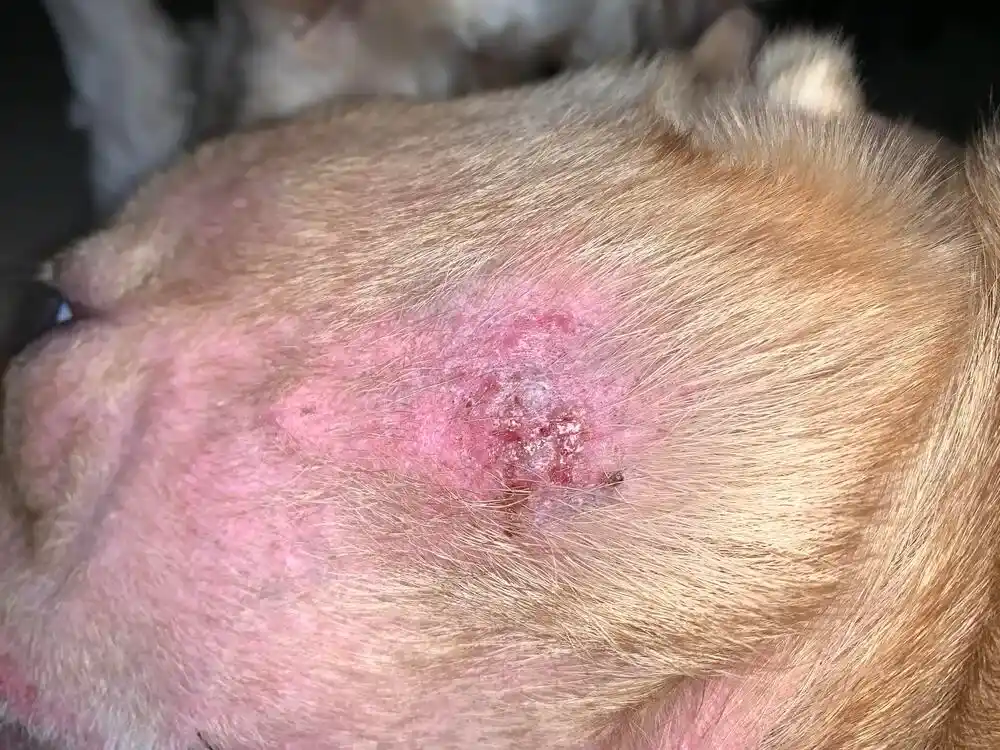
Dog owners across the United States face many health challenges with their pets, but few conditions cause as much concern as mange. While it might not be as common as fleas or ticks, this skin issue can be far more uncomfortable for a dog and harder to treat if left unaddressed. Mange is not a single disease but a term for skin conditions caused by parasitic mites. These tiny organisms burrow into or live on the skin, leading to intense itching, hair loss, and in severe cases, infections. Knowing how to recognize, treat, and prevent mange is essential for keeping your dog healthy and comfortable.
This article takes a deep dive into everything a pet owner needs to know — from understanding the types of mange to effective treatment strategies and prevention tips that align with American veterinary best practices.
What Exactly Is Mange?
Mange is a skin condition caused by different species of mites. These microscopic parasites are not visible to the naked eye, but their effects on a dog’s skin are easy to spot. Mites feed on skin debris and oils, and depending on the species, they may burrow into the skin or live on the surface. The immune system reacts strongly to these invaders, resulting in inflammation, itching, and skin damage.
There are two primary forms of mange in dogs: sarcoptic mange and demodectic mange. Each is caused by a different type of mite, and they differ in how they spread, the symptoms they cause, and how they are treated.
Sarcoptic Mange (Canine Scabies)
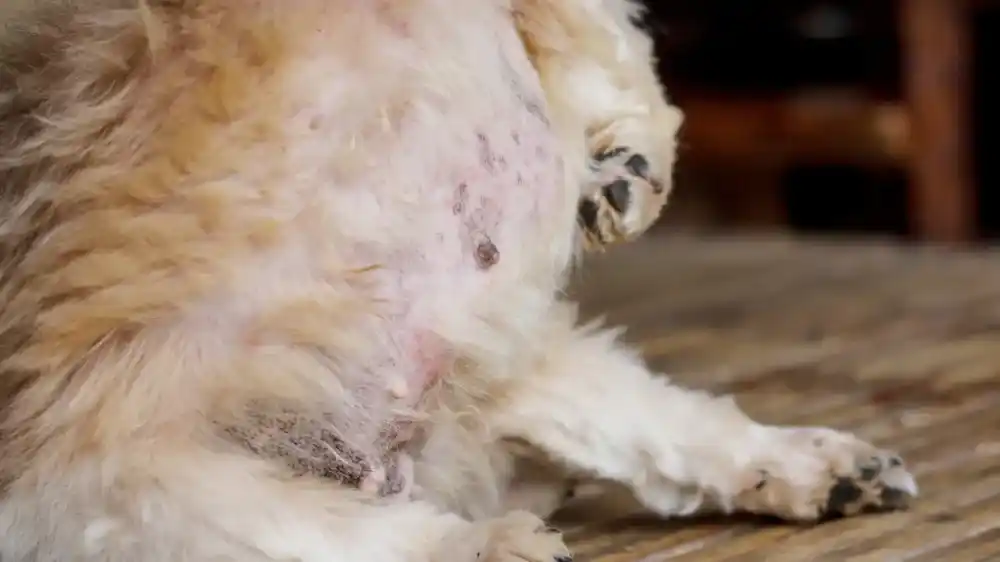
Sarcoptic mange is caused by the Sarcoptes scabiei mite. It’s extremely contagious and can spread not only between dogs but also to humans, although in people the condition is usually temporary and self-limiting. These mites burrow deep into the skin, causing severe itching and irritation.
Symptoms include:
Intense itching, often leading to constant scratching
Red, inflamed skin
Crusty lesions, especially on the edges of ears, elbows, chest, and belly
Hair loss in affected areas
Because sarcoptic mange spreads easily, prompt veterinary attention is critical. Your vet may confirm the diagnosis with a skin scraping test, although these mites can be hard to find under a microscope, meaning treatment often starts based on symptoms and exposure history.
Demodectic Mange (Demodicosis)
Demodectic mange is caused by the Demodex canis mite, which normally lives in small numbers on most dogs without causing problems. In healthy dogs with strong immune systems, these mites remain under control. However, if the immune system is weakened — due to age, illness, or stress — mite populations can grow out of control, leading to skin irritation and hair loss.
There are three forms of demodectic mange:
Localized: Small patches of hair loss, usually on the face or front legs, often in puppies.
Generalized: Widespread hair loss and skin damage across the body.
Pododermatitis: Affects the paws, often with swelling and secondary bacterial infections.
Demodectic mange is not contagious to other dogs or humans, but it can be persistent and may require long-term management.

How Mange Develops in Dogs
Mange usually begins with mild skin irritation, but because mites multiply quickly, the condition can escalate within days or weeks. Dogs with compromised immune systems, poor nutrition, or living in unsanitary conditions are at higher risk. Puppies and senior dogs are also more vulnerable because their immune defenses are not as strong as those of healthy adult dogs.
Environmental factors also play a role. Shelters, boarding facilities, and dog parks can be hotspots for sarcoptic mange outbreaks due to close contact among animals. On the other hand, demodectic mange tends to occur more in isolated cases linked to an individual dog’s immune status rather than environmental exposure.
Signs That Your Dog May Have Mange
Recognizing the early signs of mange is crucial for quick treatment and preventing more serious complications. While itching is a common symptom, it’s not the only sign to watch for.
Intense scratching or biting at the skin
Patchy hair loss
Red or inflamed skin
Scabs or crusty areas
Foul odor from the skin
Thickened skin in chronic cases
If you notice these symptoms, schedule a veterinary visit as soon as possible. Delaying treatment allows the mites to multiply and can lead to severe discomfort and secondary infections.
Diagnosing Mange
Veterinarians use several methods to diagnose mange:
Skin scrapings: Samples taken from the skin and examined under a microscope.
Hair plucking: Sometimes used for demodectic mange detection.
Fecal exam: Some mites can be found in the stool due to the dog’s grooming habits.
Empirical treatment: In cases where mites are hard to detect, vets may start treatment based on symptoms.
Early diagnosis ensures faster recovery and minimizes the spread of sarcoptic mange to other pets or people.
Treatment Options for Mange
Treating mange depends on the type, severity, and overall health of the dog.
For Sarcoptic Mange:
Prescription medications like selamectin, moxidectin, or ivermectin
Medicated dips or shampoos
Antibiotics for secondary infections
Anti-inflammatory medications to reduce itching
For Demodectic Mange:
Oral medications such as isoxazolines (e.g., fluralaner, afoxolaner)
Topical treatments like amitraz dips
Nutritional support and immune-boosting supplements
Addressing any underlying health issues
In both cases, treatment continues for several weeks, often beyond the disappearance of symptoms, to ensure all mites are eliminated.

Home Care and Support
While veterinary treatment is the cornerstone of mange recovery, home care supports faster healing and prevents reinfection.
Regular bathing with vet-approved medicated shampoos
Cleaning bedding and toys frequently
Vacuuming carpets and furniture to remove mites
Feeding a balanced diet to strengthen the immune system
Never attempt home remedies like motor oil or unapproved chemicals. These can cause serious harm and do not reliably kill mites.
The Importance of Veterinary Follow-Ups
Even after symptoms improve, mites can remain in the skin in small numbers. Regular veterinary rechecks ensure the treatment is working and prevent relapse. Skin scrapings or hair tests may be repeated until the vet confirms the mites are gone.
Mange in Dogs and Its Impact on Quality of Life
Left untreated, mange in dogs can cause severe discomfort, weight loss, and secondary bacterial or fungal infections. The constant itching and pain can lead to behavioral changes, such as irritability or withdrawal. A dog’s quality of life suffers not only from the physical effects but also from the stress and anxiety caused by ongoing discomfort.
Preventing Mange
Prevention strategies vary depending on the type of mange. For sarcoptic mange, limiting exposure to unknown or infected dogs is key. For demodectic mange, maintaining a strong immune system through proper nutrition, exercise, and regular veterinary care is the best defense.
Prevention tips:
Keep your dog’s vaccinations and parasite preventives up to date
Avoid contact with stray or visibly unhealthy dogs
Maintain a clean living environment
Provide high-quality nutrition
Minimize stress through regular exercise and mental stimulation

Common Myths About Mange
Many misconceptions surround mange. One of the most common myths is that it only occurs in neglected dogs. In reality, any dog can get mange, regardless of how well they are cared for. Another myth is that mange always spreads to humans — this is only true for sarcoptic mange, and even then, it is usually temporary and less severe in people.
Some owners also believe over-the-counter flea shampoos can treat mange. Unfortunately, these products do not work against mange mites and can delay proper treatment.
Recovery and Long-Term Outlook
Most dogs recover fully from mange with prompt and appropriate treatment. Sarcoptic mange clears up in weeks, while demodectic mange may require months of therapy, especially in generalized cases. Dogs that develop demodectic mange due to immune system issues may experience recurrences, so ongoing monitoring is important.
Once cured, dogs can return to their normal activities, but pet owners should remain vigilant for early signs of reinfection.
Mange in Dogs: Final Thoughts
The term mange in dogs might sound frightening, but with the right knowledge, quick action, and veterinary care, it’s a condition that can be effectively treated and prevented. Pet owners who stay informed, maintain regular vet visits, and prioritize their dog’s overall health can protect their pets from the discomfort and complications mange causes.
By understanding the causes, symptoms, and treatments available, you can ensure that your dog enjoys a healthy, itch-free life. Early intervention and proper care make all the difference — your dog depends on you to recognize the signs and take action.