
Owning a dog is one of life’s greatest joys, but choosing the right breed for your lifestyle makes all the difference. Among small yet dignified dogs, the Lhasa Apso stands out with a long history, a striking coat, and an affectionate but independent personality. This ancient breed has been cherished for centuries, and today it remains a beloved companion across the world.
Origins and History of the Breed
The story of this breed begins in Tibet more than a thousand years ago. Originally bred in Buddhist monasteries, these dogs were considered sacred guardians. Monks believed they carried the souls of their previous masters and served as both companions and protectors. Despite their small size, they were valued as watchdogs, alerting monks to visitors or intruders with their sharp bark. Their role was so esteemed that they were rarely sold; instead, they were given as gifts of honor.
As trade routes opened, the breed slowly reached other parts of the world. By the early 20th century, it was introduced to Europe and North America, quickly gaining popularity as both a show dog and a family pet. The breed’s long lineage and symbolic importance make it more than just a household companion—it represents centuries of tradition and culture.
The breed’s name, meaning “bearded lion dog,” reflects not only its appearance but also the spiritual symbolism associated with lions in Tibetan culture. Considered lucky charms, they were often seen in monasteries alongside larger guardian breeds. Their journey from sacred temples to modern living rooms highlights their adaptability and enduring appeal.
Physical Characteristics
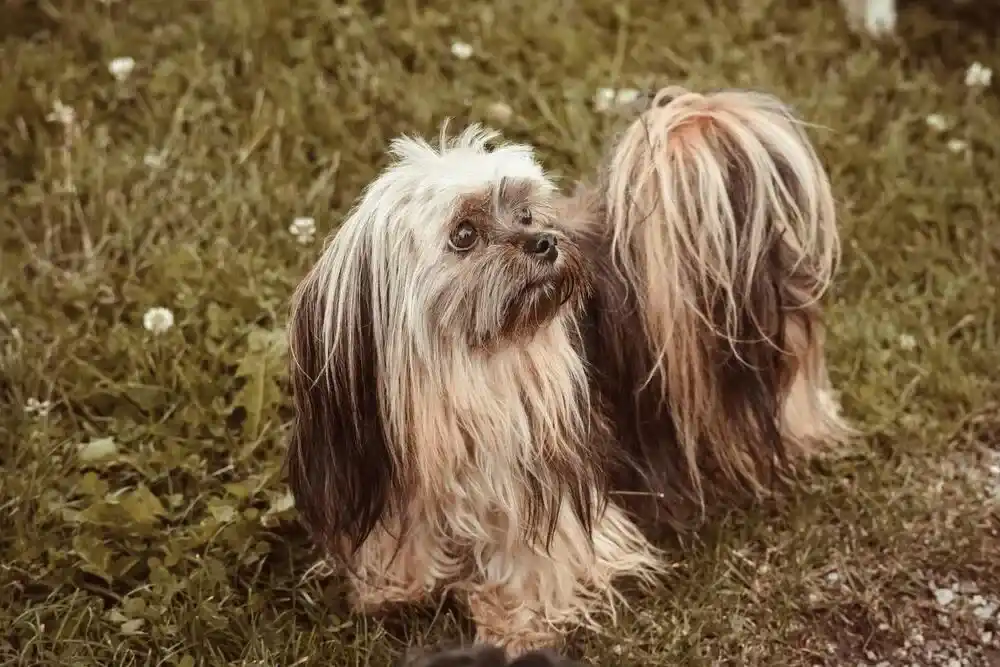
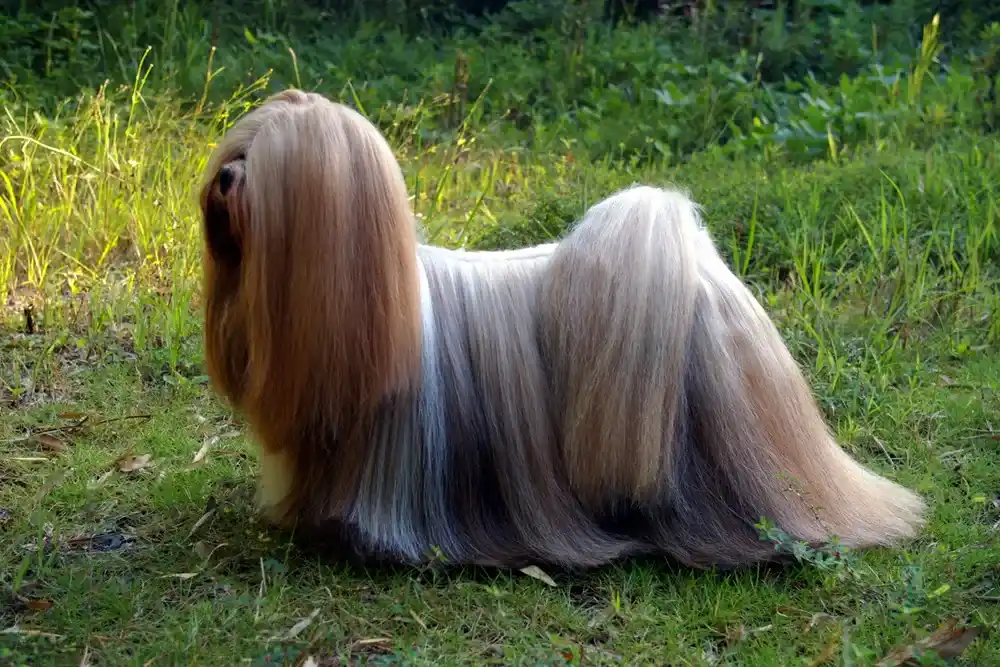
One of the first things people notice is the dog’s luxurious coat. Long, flowing, and often compared to a lion’s mane, it comes in a variety of colors, including gold, cream, smoke, and black. Beneath that glamorous coat lies a sturdy little dog with surprising strength. Standing about 10 to 11 inches tall and weighing between 12 and 18 pounds, it is compact but resilient.
Their dark, oval eyes convey intelligence and curiosity, while the feathered tail curls gracefully over the back. Though small in stature, the overall impression is one of dignity and self-confidence. Unlike more delicate toy breeds, they have a solid bone structure, giving them endurance and resilience.

Temperament and Personality
This breed, the Lhasa Apso, is often described as affectionate but independent. Unlike many lapdogs that constantly crave attention, Lhasa Apsos balance closeness with self-sufficiency. Lhasa Apsos are deeply loyal to their families but cautious with strangers, which makes them effective watchdogs despite their size.
They tend to bond strongly with their owners, following them around the house yet maintaining a dignified composure. While playful and fun-loving, they can also be stubborn. Training requires patience, consistency, and positive reinforcement, but the reward is a well-mannered and devoted companion.
They are not overly noisy but will bark when necessary, particularly if they sense something unusual. This vigilance stems from their monastery heritage. They are clever enough to adapt to household routines, but they do not tolerate rough handling or excessive chaos well.
Lhasa Apso in the Family Environment
When integrated into a household, this breed adapts well to various living conditions. They thrive in apartments thanks to their small size but enjoy open spaces where they can explore safely. Families with children should supervise interactions, as this breed prefers gentle handling. They are best suited for families with older kids who understand boundaries.
With proper socialization, they coexist peacefully with other pets. Their calm and observant nature allows them to adapt to routines, making them suitable for busy households or quieter homes alike. They enjoy companionship and dislike being left alone for long periods, which can lead to separation anxiety if not managed properly.
Grooming and Coat Care
Caring for the coat is one of the most important responsibilities of ownership. Left unattended, the long hair can easily tangle and mat. Regular brushing—at least three to four times a week—keeps the coat in good condition. Many owners choose professional grooming to maintain a manageable length.
Bathing should be done every two to four weeks, depending on activity levels. Because their coat can drag on the floor, cleanliness is essential to prevent skin issues. Trimming around the eyes and paws helps with comfort and hygiene. For those who prefer less upkeep, a shorter “puppy cut” is a practical alternative that maintains the dog’s charm without excessive grooming demands.
Training and Socialization
Training this breed requires patience. While intelligent, they have an independent streak and may resist commands if handled harshly. Positive reinforcement—treats, praise, and consistency—works best. Early socialization is crucial to prevent shyness or wariness around strangers.
Basic obedience should be taught from a young age, including commands such as sit, stay, and come. Because they can be territorial, exposing them to new environments, people, and other animals early on helps them develop into confident adults.
Housebreaking can take time, so crate training and consistent schedules are recommended. Patience is key, as harsh discipline may backfire and lead to mistrust.
Exercise and Activity Needs
Though small, this breed is not a couch potato. Daily walks and play sessions are essential to maintain physical health and mental stimulation. They enjoy games that challenge their intelligence, such as puzzle toys or scent-tracking activities.
However, they do not require hours of exercise. Two moderate walks combined with some playtime at home usually suffice. What they value most is spending time with their family, whether through interactive play or simply relaxing together.
Because they are alert and curious, providing safe opportunities for exploration enriches their daily life. Even in apartments, regular play keeps them satisfied.
Lhasa Apso Health and Lifespan
Generally, this breed is robust and enjoys a long lifespan, often living 12 to 15 years or more. However, like all breeds, they are predisposed to certain health conditions. Common issues include hip dysplasia, patellar luxation, and eye problems such as progressive retinal atrophy. Regular veterinary checkups are essential for early detection.
Other possible concerns include kidney disease and allergies, both of which can be managed with proper care. Dental health is especially important; their small jaws are prone to tartar buildup, making regular brushing or dental chews essential.
With attentive care, many live well into their senior years, maintaining playful and affectionate personalities.
Nutrition and Feeding Guidelines
Feeding should be based on quality rather than quantity. High-quality dry food formulated for small breeds is ideal, but portion control is equally important. Overfeeding can lead to obesity, which increases the risk of joint and heart problems.
Fresh water must always be available. Occasional treats are fine, especially when used for training, but they should not exceed ten percent of the daily caloric intake. Consulting with a veterinarian ensures that dietary needs are met at every life stage.
Puppies require more frequent meals with balanced nutrients to support growth. Adults thrive on two meals per day, while seniors may benefit from diets tailored to joint support and lower calorie content.
Common Challenges and Solutions
While this breed is wonderful, ownership comes with challenges. Grooming demands can overwhelm busy owners, so considering professional grooming is wise. Training may be slow due to stubbornness, but consistency pays off. Separation anxiety can also occur, as they form strong attachments to their families.
Solutions include establishing routines, providing engaging toys, and gradually increasing alone time to build independence. With the right approach, these challenges become manageable aspects of care.
Costs of Ownership
Owning this breed involves financial commitment. Initial costs include purchase or adoption fees, vaccinations, and spaying or neutering. Ongoing expenses involve quality food, grooming, veterinary visits, and toys.
Professional grooming every few weeks can add up, making it important for owners to budget accordingly. Health insurance for pets may also help cover unexpected medical costs. Understanding these expenses ensures that ownership remains sustainable and enjoyable.
Fun Facts and Curiosities
- This breed was once considered a sacred dog of Tibetan monasteries.
- Their name translates to “bearded lion dog.”
- They were believed to bring good luck and spiritual protection.
- Despite their small size, they have a surprisingly deep bark.
- Many live beyond 15 years, making them one of the longer-lived small breeds.
- They were gifted to foreign dignitaries as symbols of goodwill.
- Their coats can naturally part down the middle, giving them a regal look.

Travel and Adaptability
Traveling with this breed is relatively easy due to their small size. They fit comfortably in approved carriers for air travel and adapt to car rides when introduced gradually. Their calm demeanor helps them adjust to new environments, although familiar items such as toys or blankets make transitions smoother.
Because they bond strongly with owners, they prefer accompanying them on trips rather than being left behind. However, proper preparation—vaccinations, microchipping, and travel gear—is essential for safe journeys.
Lhasa Apso as a Lifelong Companion
Owning this breed is a rewarding journey that combines beauty, loyalty, and tradition. From their ancient roots in Tibetan monasteries to modern homes around the world, they embody resilience and charm. Their balanced personality, affectionate nature, and dignified presence make them a beloved choice for individuals and families alike.
By understanding their history, caring for their needs, and nurturing their spirit, owners gain not just a pet but a loyal friend for life. For those ready to commit to grooming, training, and companionship, this breed offers a bond that is truly timeless.
Final Thoughts
The appeal of this breed lies not only in its elegant coat or ancient history but also in its ability to form profound connections with its family. Whether living in a bustling city or a quiet countryside, they adapt gracefully, provided they receive love, care, a