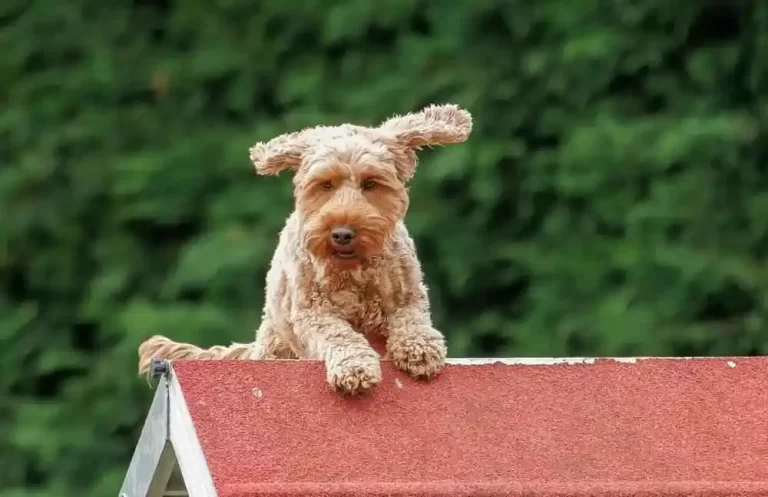

The labradoodle has captured the hearts of dog lovers everywhere with its curly coat, intelligent eyes, and joyful personality. This cross between the Labrador Retriever and the Poodle combines the best of both worlds—loyalty, intelligence, and affection—making it one of the most sought-after breeds for families and individuals alike. With their friendly temperament, hypoallergenic coat, and high energy, these dogs thrive in homes that value companionship and activity.
The Origins of the Labradoodle
The story of the labradoodle began in the late 20th century when breeders sought a dog that combined the friendly nature of the Labrador Retriever with the low-shedding coat of the Poodle. The goal was to create a companion suitable for allergy sufferers while retaining the versatility and intelligence of both parent breeds.
Over time, the cross gained immense popularity, not only as a guide dog but also as a beloved family pet. The breed’s adaptable temperament, quick learning ability, and affectionate demeanor made it a favorite among first-time dog owners and experienced handlers alike.
Interestingly, while the breed started as a mix, multi-generation labradoodles have developed consistent traits, creating what many now consider a unique breed in its own right.
Labradoodle Appearance and Size
One of the most fascinating aspects of this breed is its wide range of sizes and appearances. Because labradoodles can come from standard, miniature, or toy Poodles, their weight can vary anywhere from 15 to 65 pounds. Their coats can be curly, wavy, or fleece-like, depending on genetics.
Despite these differences, one thing remains constant: their charming expressions and kind eyes that seem to understand every emotion. Most have medium-length muzzles, strong builds, and tails that wag enthusiastically at the slightest hint of fun.
Their coat colors also range widely—from cream and apricot to chocolate, black, silver, and even multi-colored patterns. This diversity adds to their unique appeal, as no two labradoodles look exactly the same.
Temperament: What Makes the Labradoodle So Special
When it comes to personality, this breed is a true all-star. Labradoodles are known for their playful, affectionate, and social nature. They love being around people and often form strong emotional bonds with every family member.
They are also remarkably intelligent. Thanks to their Poodle and Labrador ancestry, they excel in training, learning commands quickly, and responding well to positive reinforcement. This intelligence makes them ideal therapy dogs, emotional support companions, and even service dogs in some cases.
However, their high intelligence comes with a need for mental stimulation. Without regular training sessions, toys, or challenges, they can become bored, which may lead to mischievous behavior.

Exercise and Energy Levels
Labradoodles are active dogs that thrive on exercise and adventure. They enjoy running, swimming, hiking, and long walks. At least an hour of daily activity keeps them physically fit and mentally satisfied.
Because both the Labrador and Poodle are energetic breeds, this mix requires outlets for energy. Games like fetch, agility courses, or scent-tracking exercises are excellent choices. Families who enjoy outdoor activities will find in this breed the perfect companion for every adventure.
A well-exercised dog is a happy dog. Regular activity not only prevents boredom but also strengthens the bond between owner and pet.
Grooming and Coat Care
The labradoodle’s coat requires consistent grooming to stay healthy and free from mats. Even though many people believe the breed doesn’t shed, this isn’t entirely true. While shedding is minimal, regular brushing is essential to prevent tangles and remove dead hair.
Brushing two to three times a week helps maintain the coat’s texture and shine. Professional grooming every six to eight weeks is also recommended, especially for those with curlier coats. Bathing should be done once every month or when the dog gets particularly dirty.
In addition to coat care, owners should pay attention to ear cleaning and nail trimming. Since the breed has floppy ears, moisture can get trapped inside, leading to infections if not cleaned regularly.
Nutrition: Feeding Your Labradoodle Right
A balanced diet is key to keeping your dog healthy and energetic. Choose high-quality food rich in protein, healthy fats, and essential nutrients. Because labradoodles are active, they need food that supports strong muscles and joint health.
Feed portions according to the dog’s size, age, and activity level. Overfeeding can lead to obesity, a problem that puts pressure on the joints and affects overall vitality. Treats are great training tools but should be given in moderation.
Fresh water must always be available, and meals should be served on a consistent schedule to help with digestion and behavior control.
Training: Smart, Eager, and Ready to Learn
Training a labradoodle can be a delightful experience. They respond quickly to positive reinforcement methods, such as praise and treats. Their eagerness to please makes them quick learners, perfect for obedience classes and advanced training.
Start early with basic commands like sit, stay, and come. Socialization should also begin at a young age to ensure the dog grows up confident and well-mannered around other pets and people.
Avoid harsh methods, as these dogs are sensitive and can lose trust if treated unfairly. Instead, consistency, patience, and encouragement will yield the best results.
Health and Lifespan
This breed enjoys a long and healthy life, typically between 12 and 15 years. However, like all dogs, they can inherit certain health conditions from their parent breeds. Common issues include hip dysplasia, ear infections, and allergies.
Routine vet visits, balanced nutrition, and proper exercise go a long way in preventing many health concerns. Genetic testing and responsible breeding practices also help ensure that puppies are born healthy and strong.
Maintaining a lean weight and providing joint supplements when recommended by a vet can help keep your labradoodle agile and pain-free as it ages.
Ideal Living Conditions
The labradoodle adapts well to various living environments, from apartments to large homes, as long as it receives enough exercise. However, due to their energy level, a home with access to a yard is ideal.
They prefer being close to their humans rather than left alone for long periods. Separation anxiety can develop if they feel neglected, so families who spend a lot of time at home are the best match for this affectionate breed.
They also coexist peacefully with children and other pets, thanks to their gentle temperament.

Grooming Tools and Maintenance Tips
To keep your dog’s coat in top shape, invest in quality grooming tools. A slicker brush, detangling comb, and grooming scissors are must-haves. Regular brushing sessions not only prevent mats but also strengthen the bond between you and your pet.
Trimming around the eyes and paws keeps the dog comfortable and clean. Always reward calm behavior during grooming to make the experience positive.
For dogs with curlier coats, using a leave-in conditioner helps prevent tangling and keeps the fur soft.
Socialization and Behavior
Proper socialization helps your labradoodle grow into a confident, balanced dog. Introduce it to various people, places, and sounds during puppyhood. Positive experiences build trust and reduce fear or aggression later in life.
This breed thrives on human interaction. They love playdates, dog parks, and family gatherings. Their friendly disposition makes them natural extroverts, always eager to greet guests and make new friends.
Because they’re so social, training them to remain calm when meeting new people or animals is crucial. This prevents over-excitement or jumping behavior.
Common Myths About Labradoodles
One common misconception is that this breed is completely hypoallergenic. While it sheds less than many dogs, no breed is entirely free of allergens. Another myth is that all labradoodles look the same. In reality, their appearance varies widely depending on generation and lineage.
Some people also assume they don’t require much grooming, which couldn’t be further from the truth. Regular coat maintenance is vital for their comfort and health.
Traveling with a Labradoodle
If you love traveling, you’ll be pleased to know that this breed makes an excellent travel companion. Their adaptable nature and love of new experiences make road trips or vacations enjoyable.
Before traveling, make sure your dog is comfortable in the car and accustomed to its travel crate or seat harness. Always carry fresh water, snacks, and a familiar toy to reduce anxiety.
Their friendly temperament often makes them a hit wherever they go, whether at hotels, parks, or outdoor cafés.
Mental Stimulation and Enrichment
Because of their intelligence, labradoodles require plenty of mental exercise. Puzzle toys, obedience games, and scent-tracking activities keep their minds active. Without mental challenges, they might resort to undesirable behaviors like chewing or digging.
Interactive toys that release treats are especially effective in keeping them occupied. Training sessions should be fun and varied to prevent boredom.
Why Families Love the Labradoodle
Families adore this breed for its affectionate and adaptable nature. They are gentle with children, playful with other pets, and protective of those they love. Their even temperament makes them ideal therapy dogs, spreading joy wherever they go.
Their ability to read emotions is another remarkable trait. Many owners claim their dogs comfort them when they feel sad or anxious. This emotional intelligence, combined with their cheerful energy, makes them irreplaceable members of the family.
The Perfect Home for a Labradoodle
The ideal home for this breed is one that offers love, activity, and inclusion. They thrive when they’re part of daily routines—whether it’s morning jogs, weekend hikes, or quiet evenings on the couch.
Owners who can commit to grooming, training, and exercise will enjoy a loyal companion for many years. This breed rewards affection and care with unconditional love.

Final Thoughts
The labradoodle represents everything people adore about dogs—intelligence, loyalty, playfulness, and affection. Whether you live in a busy city or a peaceful countryside home, this breed adapts effortlessly as long as it feels loved and included.
From their joyful personalities to their expressive eyes, these dogs bring warmth and companionship to every household. Owning one is not just about having a pet—it’s about welcoming a true family member who will fill your life with laughter, energy, and endless affection.