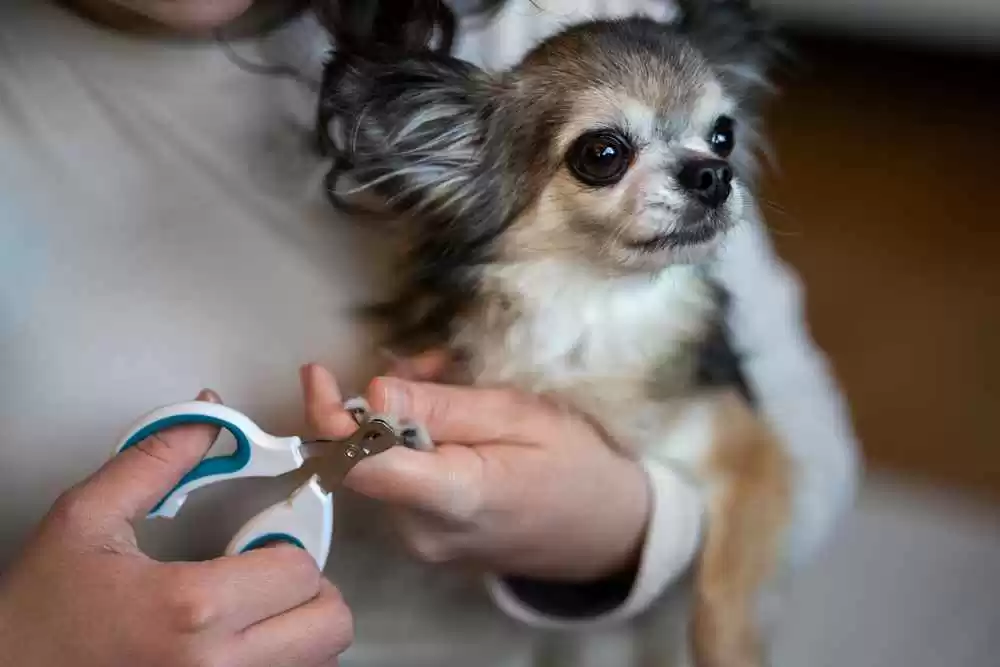
Trimming your dog’s nails is about so much more than looks — it’s essential for their comfort, mobility, and long-term health. Many pet parents focus on baths and brushing, but forget that nail care should be part of every pup’s grooming routine.
When nails grow too long, they can cause pain, affect how your dog walks, and even lead to injuries or infections. Knowing how to trim a dog’s nails properly will help prevent these problems and keep your furry friend happy.
Why Nail Trimming Is So Important
Your dog’s nails play a big role in supporting their body weight when they move. If the nails become too long or start growing at odd angles, your dog may adjust the way they walk to avoid discomfort. Over time, this can lead to joint stress and muscle strain.
Untrimmed nails can also crack, split, or grow into the paw pad — which can be painful and may require a vet visit. Regular trimming is a simple way to avoid infections, swelling, and costly treatments later.
How Lifestyle Affects Nail Growth
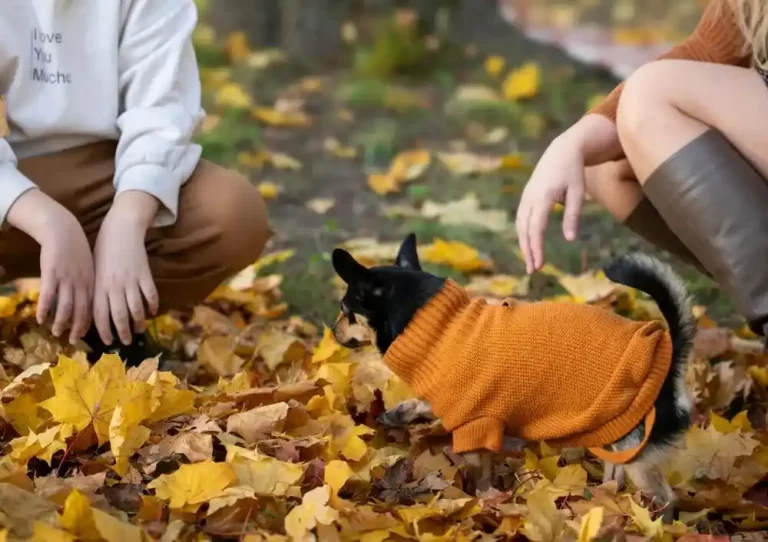
Your dog’s environment and activity level can naturally wear their nails down — or not. For example, dogs who walk on grass or dirt often have some natural nail wear. But pups who spend most of their time on smooth surfaces like hardwood floors or tile usually don’t get that benefit.
Active dogs that run or walk daily tend to need fewer trims than couch potatoes. So, always consider your dog’s habits when deciding how often to trim their nails.
Signs It’s Time to Trim
If you hear clicking noises when your dog walks on hard floors, it’s probably time for a trim. Licking or chewing at their paws can also signal discomfort. Limping or favoring a paw may mean a nail is too long, cracked, or even infected. When in doubt, check their paws and talk to your vet if you notice anything unusual.
How to Trim a Dog’s Nails Safely: Step-by-Step
Choose the Right Tool
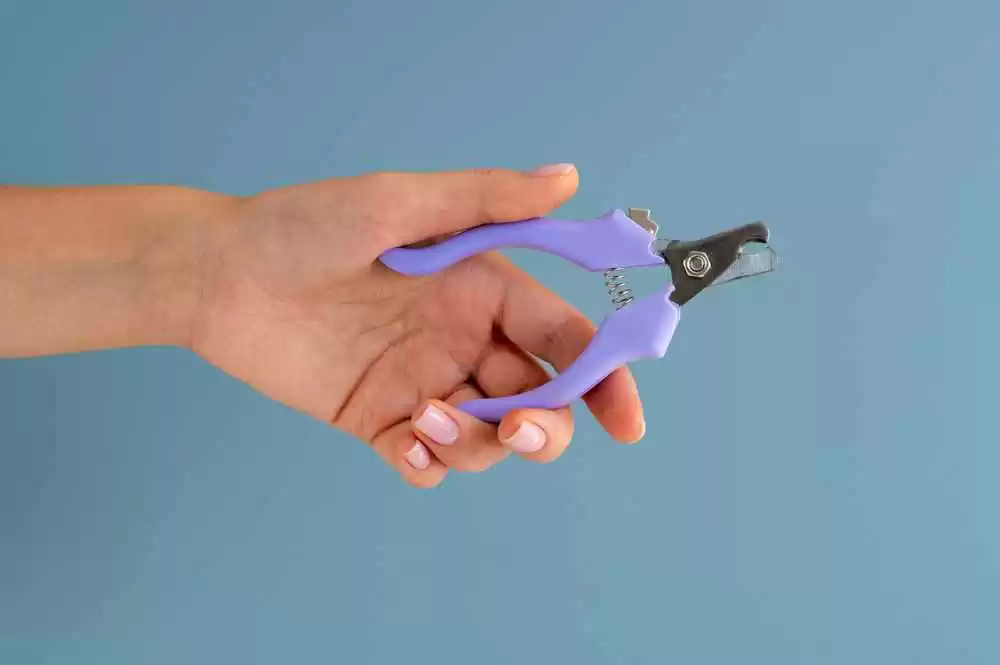
Always use a nail clipper or grinder made for dogs. These are designed to avoid crushing or splitting the nail.Keep Calm and Hold Steady
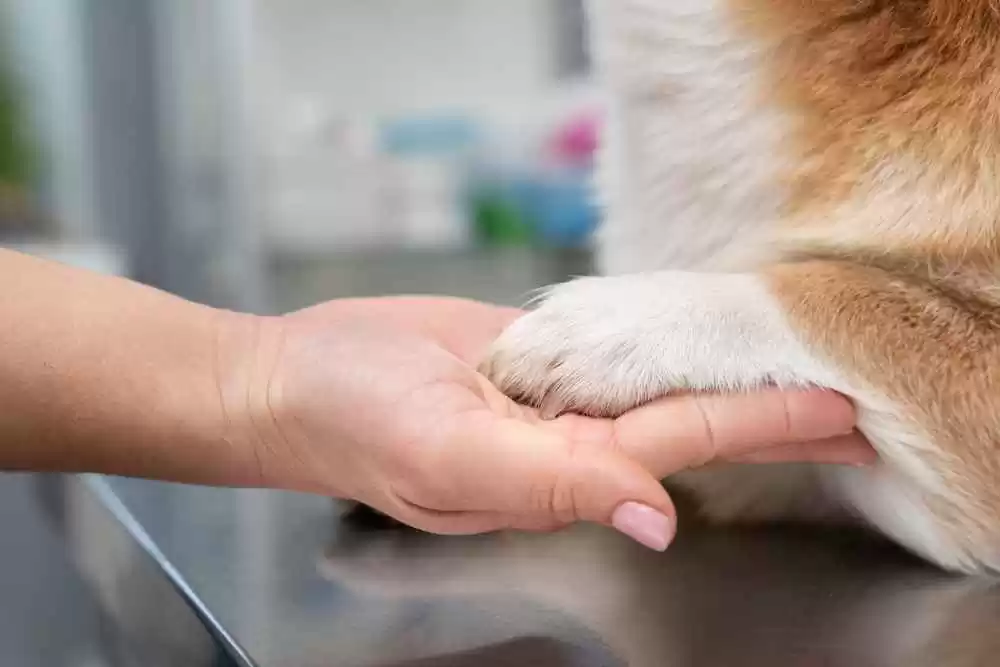
Hold your dog’s paw gently but firmly. Stay calm — if you’re nervous, your dog will be too.Cut at a 45-Degree Angle
Trim small pieces at a time, following the natural curve of the nail. Avoid cutting straight across.Look for the Quick
Stop trimming when you see a small dark spot in the center of the nail — this is the quick, a sensitive area with blood vessels and nerves. Cutting into it can hurt and cause bleeding.Be Extra Careful with Dark Nails
It’s harder to see the quick on dark nails. Trim tiny bits and take breaks to check.Don’t Forget the Dewclaw
Many dogs have an extra nail higher up on the leg. It doesn’t touch the ground, so it doesn’t wear down naturally and can grow into the skin if neglected.
Tips to Make Nail Trimming Easier
Get Your Dog Used to Paw Handling
Gently handle their paws often so they don’t feel scared when it’s time for a trim.Trim When They’re Relaxed
After a long walk or play session is often best.Reward Good Behavior
Use treats, praise, or a favorite toy to make the experience positive.Take It Slow
For puppies, trim just one paw at a time if needed. Building trust is more important than rushing.
When to See a Professional
If your dog refuses to let you handle their paws, or if you notice swelling, bleeding, or broken nails, it’s time to call a vet or professional groomer. They have the right tools and experience to help — and it can save your dog a lot of stress (and you too!).
Final Thoughts: A Small Task That Makes a Big Difference
Learning how to trim a dog’s nails is one of the simplest ways to protect their comfort and health. Regular trims prevent pain, infections, and posture issues — and can turn into a moment of bonding and trust between you and your pup.
So next time you hear that click-click on the floor, grab those clippers and show your best friend some extra love. Healthy paws mean a happy, active, pain-free dog!