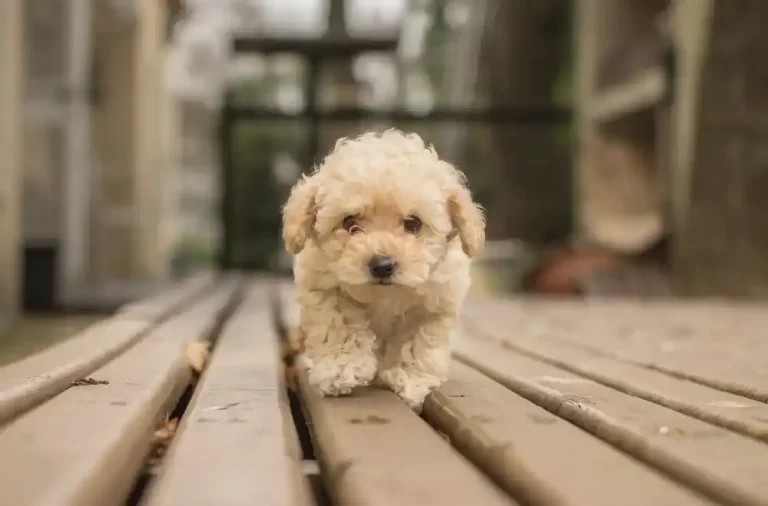
Bringing home a new puppy is an exciting moment, full of love, laughter, and learning. But as soon as those tiny teeth sink into your fingers, reality kicks in — puppy biting can be frustrating and even painful. Fortunately, understanding how to stop puppy biting is not only possible, but also easier when you apply the right techniques early on. In this complete guide, you’ll discover why puppies bite, how to redirect their behavior, and what strategies will help them grow into well-behaved dogs.
Why Do Puppies Bite So Much?
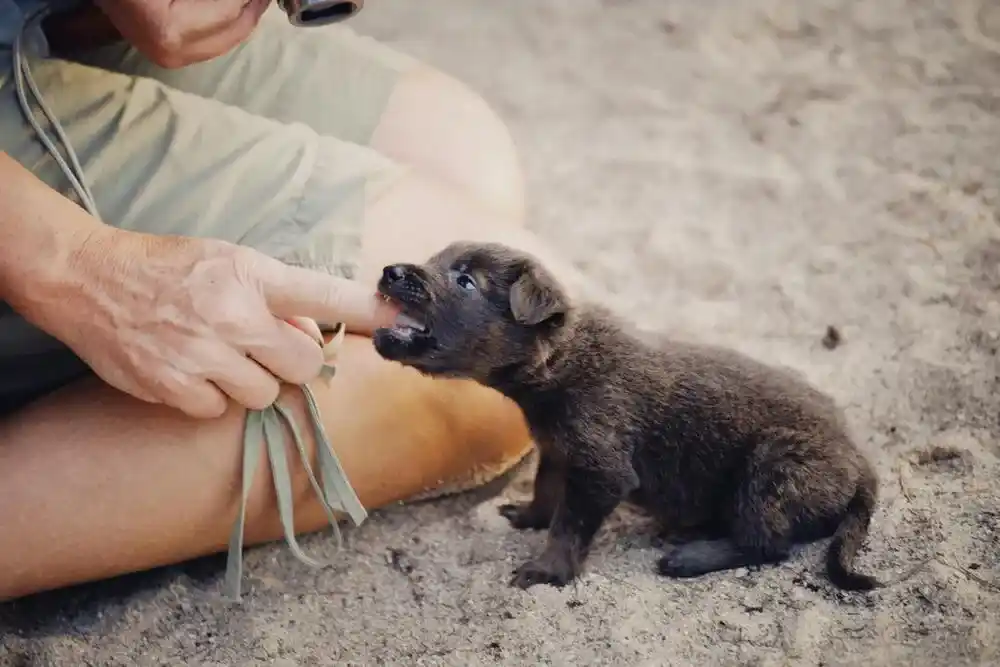
Before diving into how to stop puppy biting, it’s important to understand why puppies bite in the first place. Puppies, like human babies, explore the world through their mouths. Biting is part of how they learn about textures, boundaries, and communication.
Most puppies bite for these key reasons:
Teething pain: Around three to six months old, puppies experience discomfort from growing adult teeth. Chewing helps ease that pain.
Play behavior: Puppies play by biting each other. When they nip humans, they’re usually trying to play.
Attention-seeking: Some puppies bite because it instantly gets your attention, even if it’s negative.
Lack of boundaries: If no one corrects the behavior, they assume it’s acceptable.
Overstimulation or frustration: When puppies are too excited, tired, or irritated, they may bite as a way of releasing energy or expressing stress.
Now that we know the reasons, let’s go deeper into how to stop puppy biting using clear, actionable steps.
How to Stop Puppy Biting Without Punishment
Teaching a puppy not to bite doesn’t require yelling or physical corrections. In fact, these can make things worse. The key is to redirect, reinforce, and remain consistent. Let’s explore each method in detail.
1. Use Positive Reinforcement Every Time
One of the best tools you have is positive reinforcement. Puppies learn quickly when they’re rewarded for good behavior. The next time your pup bites, calmly stop the interaction and only give attention again when they’re calm. When they lick or sit instead of biting, praise them warmly or give them a treat.
2. Teach Bite Inhibition Early
Bite inhibition means your puppy learns how to use their mouth gently. If your puppy bites too hard during play, let out a sharp “Ouch!” and stop playing immediately. This mimics the way littermates teach each other when biting gets too rough. After a short pause, resume playing only if your puppy is calm.
3. Provide Chew Toys to Redirect Energy
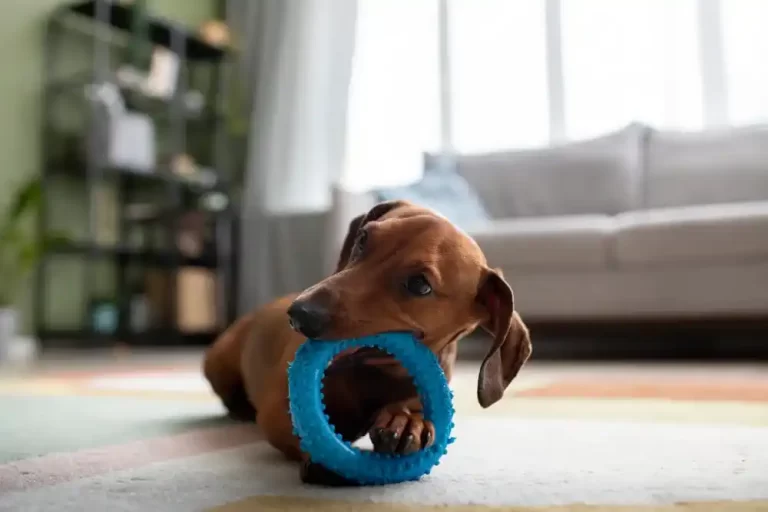
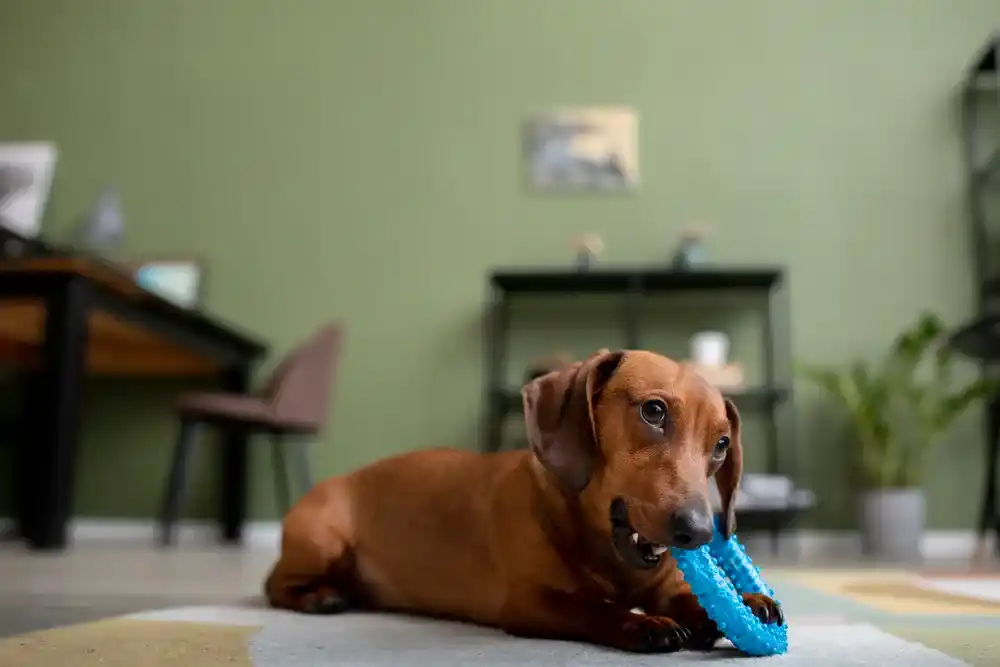
Redirecting is key in how to stop puppy biting. Keep a variety of chew toys nearby and offer one the moment your puppy begins to nip. Choose toys that suit your puppy’s age, teething stage, and chewing preference. Some love soft plush toys, while others prefer durable rubber options.
This teaches them what’s acceptable to chew — and what’s not. Always praise them when they chew the toy instead of your hand.
4. Avoid Rough Play That Encourages Biting
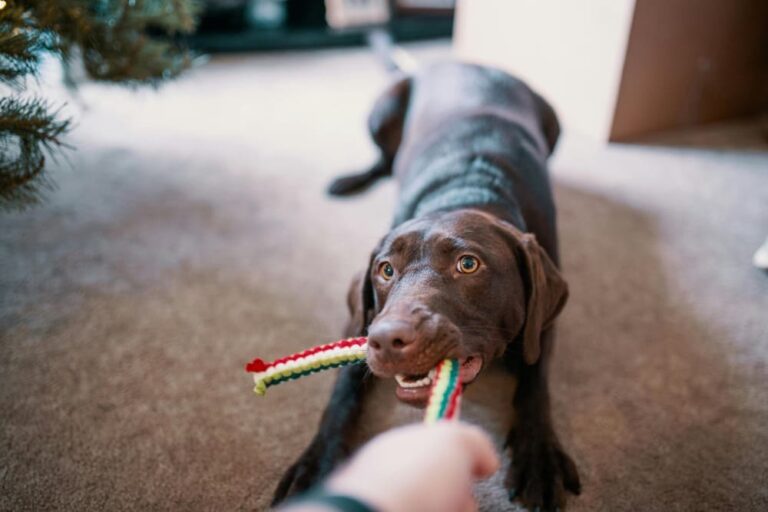
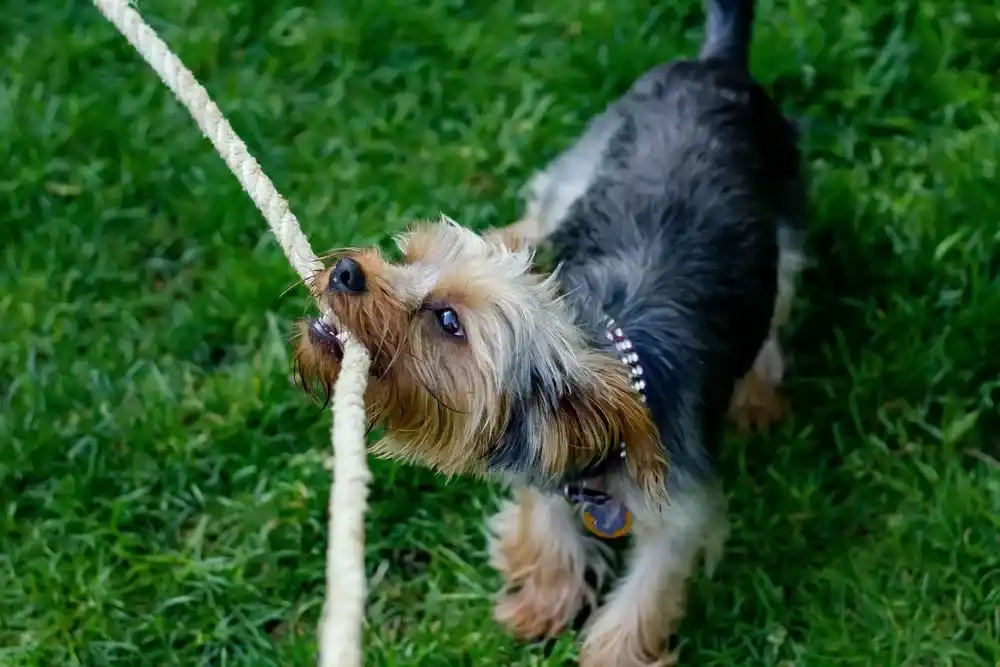
Tug-of-war and hand wrestling might seem fun, but these games often encourage biting and poor behavior. Replace them with games like fetch, hide-and-seek, or simple training exercises that build discipline while burning off energy.
5. Socialize Your Puppy Early and Often
Puppies need regular contact with other dogs, people, and environments. Proper socialization teaches them how to interact politely and reduces fear-based biting. Enroll your puppy in obedience classes, visit dog parks, or arrange safe playdates with vaccinated dogs.
This real-world practice reinforces manners and teaches them how to behave without using their teeth.
Common Mistakes That Make Puppy Biting Worse
Even with the best intentions, some responses can accidentally reinforce bad behavior. If you’re serious about how to stop puppy biting, avoid these common errors:
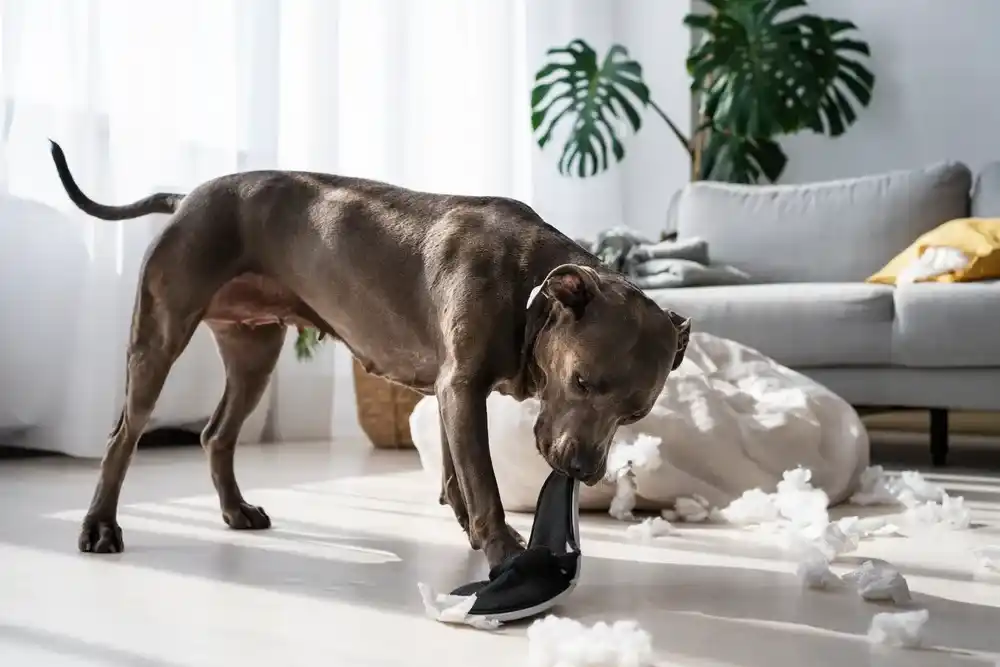
Inconsistent reactions: If you sometimes allow biting during play but punish it later, your puppy gets mixed messages.
Encouraging biting with hands: Letting your puppy chew on fingers even once can confuse them.
Using punishment or fear: Yelling or hitting damages trust and doesn’t teach anything useful.
Lack of mental stimulation: Bored puppies are more likely to act out with their mouths.
Preventing these mistakes is just as important as applying the correct strategies.
How to Stop Puppy Biting with Training and Patience
No solution works overnight. Training takes time, and puppies need patience as they grow. Here’s how to reinforce better habits long-term.
Start Obedience Training Early
Basic obedience commands like “sit,” “stay,” “leave it,” and “off” are essential tools. These commands help redirect behavior and give you better control over situations when biting starts.
Use short, daily training sessions and reward your puppy for following commands. Over time, this builds trust and self-control.
Keep a Consistent Daily Routine
Puppies thrive on structure. Set regular feeding times, bathroom breaks, walks, and training sessions. A well-structured day prevents overstimulation and creates predictability, which helps reduce stress-driven biting.
Exercise Your Puppy’s Body and Brain
A tired puppy is a calm puppy. Physical activity is important, but don’t forget about mental enrichment. Puzzle toys, scent games, and problem-solving tasks all challenge their mind and keep boredom at bay.
These kinds of stimulation dramatically reduce excessive biting and chewing behaviors.
When to Be Concerned About Puppy Biting
Some level of nipping is normal, especially in young puppies. However, certain signs may indicate deeper behavioral issues. Be on the lookout for:
Aggressive growling while biting
Prolonged biting that doesn’t stop with redirection
Snapping or biting when being touched or handled
Guarding food, toys, or spaces
If any of these occur, it’s time to consult a professional dog trainer or animal behaviorist. Early intervention prevents long-term problems and helps your puppy become a confident, safe companion.
Tools That Help Stop Puppy Biting
There are many helpful tools you can use when learning how to stop puppy biting:
Teething rings designed for puppies with sore gums
Frozen toys or treats to numb discomfort
Bitter sprays to discourage biting furniture or hands
Training clickers to mark good behavior instantly
Interactive feeding toys that slow eating and stimulate the brain
Using these tools as part of your routine gives your puppy healthier options for expressing natural instincts.
Real-Life Routine: A Day Focused on Preventing Biting
Here’s an example of a balanced daily schedule that focuses on reducing biting:
| Time | Activity |
|---|---|
| 7:00 AM | Morning potty break and short walk |
| 7:30 AM | Breakfast with puzzle feeder |
| 8:00 AM | Calm playtime with chew toys |
| 10:00 AM | Training session (5–10 minutes) |
| 11:00 AM | Nap in a quiet, safe spot |
| 1:00 PM | Midday potty and walk |
| 1:30 PM | Socialization (visitors, new places, etc.) |
| 3:00 PM | Interactive play (fetch, hide-and-seek) |
| 5:00 PM | Dinner with enrichment toy |
| 6:00 PM | Gentle training or grooming session |
| 8:00 PM | Final potty break and bedtime wind-down |
Sticking to a structure like this reduces anxiety, builds confidence, and keeps biting urges under control.
Final Thoughts: How to Stop Puppy Biting for Good
Learning how to stop puppy biting is a journey — one that requires consistency, patience, and the right approach. By using positive reinforcement, providing plenty of mental and physical stimulation, and avoiding common mistakes, you’ll guide your puppy toward calm, polite behavior.
Remember: biting is just a phase. It’s how puppies communicate before they understand the rules. With your support, your puppy will learn that hands aren’t chew toys and grow into a loving, well-mannered dog.
Keep applying what you’ve learned, and soon those little teeth will be used only for treats and toys — not for your fingers!