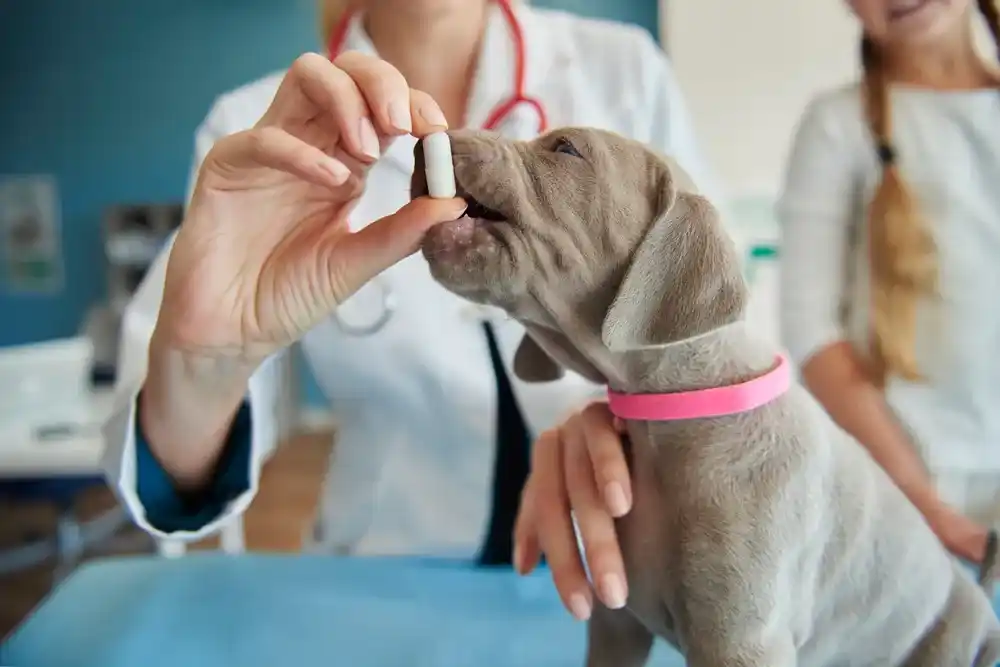
Convincing a dog to swallow medication can feel like a battle of wits. Some pups spit it out the second you look away, while others cleverly hide the pill under the couch or leave it on the floor as if nothing happened. If you have ever experienced this frustration, you know how tricky it can be. Learning how to get a dog to take a pill is not just about convenience; it is essential for your pet’s health and safety. With the right strategies, patience, and a little creativity, you can turn a stressful task into a smooth routine.
This guide explores everything you need to know, from simple tricks to advanced methods, so you can finally stop dreading pill time and ensure your dog gets the treatment they need.
Why Medication Matters for Dogs
Before diving into the methods, it is important to understand why administering medication correctly matters so much. Pills are often prescribed for infections, pain relief, allergies, or chronic conditions like arthritis and heart disease. If your dog does not take the full dosage, the medication might not work as intended. Skipped pills can lead to prolonged illness, worsening symptoms, or even resistance to antibiotics.
When you master how to get a dog to take a pill, you reduce stress for both you and your pup while protecting your pet’s long-term well-being. The goal is to turn a moment of resistance into a routine that your dog accepts naturally.
Understanding Your Dog’s Behavior Around Pills
Dogs are smart and resourceful. They can detect unusual smells or textures immediately. Many pills taste bitter or chalky, which makes dogs suspicious the second they sense something different in their food. Some dogs chew everything before swallowing, which increases the chance of them noticing the pill. Others may spit it out just to test your reaction. Recognizing these patterns helps you choose the best strategy for your dog’s personality.
For example:
A picky eater might reject hidden pills inside food.
A greedy eater may swallow without noticing if you disguise it well.
A cautious dog could need more reassurance and training.
The key lies in adapting your technique to your dog’s unique habits.
Method 1: Hiding Pills in Food
The most common and often easiest way to administer medication is by disguising it inside food. However, success depends on how well you mask the taste and smell.
Soft Foods That Work Well
Peanut butter (unsalted, no xylitol)
Cream cheese
Cooked chicken or turkey pieces
Canned dog food
Pill pockets (soft treats designed for this purpose)
To use this method, mold the food around the pill so it is fully covered. Offer a small “tester bite” of the food without the pill first. Then, give the medicated bite quickly before your dog realizes there is something different about it. Finish with another plain bite to keep the routine natural.
Method 2: Using Pill Pockets
Pet supply stores offer special treats called pill pockets. These are soft, hollow treats made specifically to hide pills. They come in flavors most dogs cannot resist, such as chicken, beef, or peanut butter. Simply place the pill inside, pinch the opening shut, and hand it to your dog as a regular treat. Many pet owners find this to be the easiest and cleanest solution.
Method 3: Crushing or Splitting Pills (With Vet Approval)
Sometimes, you may feel tempted to crush a pill into powder or split it into smaller pieces. While this can make it easier to mix with food, you must always check with your veterinarian first. Some medications lose effectiveness when crushed, while others can irritate your dog’s mouth or throat. If your vet confirms that crushing is safe, mix the powder with a small amount of wet food or broth to disguise it fully.
Method 4: The “Meatball Technique”
This technique is clever and fun. Roll a small ball of soft food, such as ground meat or mashed sweet potato. Make three meatballs:
One without a pill.
One with the pill hidden inside.
Another without a pill.
Give your dog the first meatball quickly, followed by the pill meatball, and then the final one right after. The fast sequence prevents suspicion, and most dogs swallow before they realize they swallowed the medication.
Method 5: Hand-Pilling Technique
Sometimes, no food tricks work. In that case, you can give the pill directly by hand. This method may feel intimidating at first, but with calmness and practice, it becomes manageable.
Steps for safe hand-pilling:
Gently tilt your dog’s head back.
Use one hand to open the mouth by placing your thumb and forefinger behind the canine teeth.
With the other hand, place the pill as far back on the tongue as possible.
Close your dog’s mouth and hold it shut for a few seconds.
Gently stroke the throat or blow lightly on the nose to encourage swallowing.
Always reward your dog with praise or a treat afterward to make the experience more positive.
Method 6: Using a Pill Popper
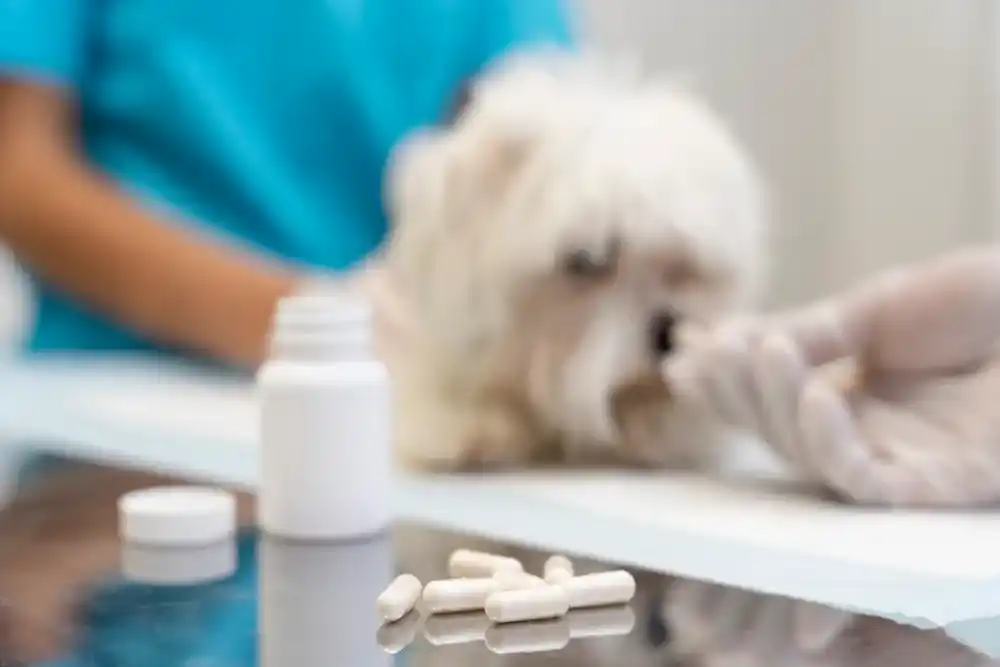
A pill popper, also called a pill gun, is a tool designed to place medication directly into the back of a dog’s throat. It looks like a syringe but holds a pill instead of liquid. This method reduces the risk of your fingers being bitten and ensures the pill is placed deep enough for swallowing. Many veterinarians and shelters use this technique, especially for dogs that resist food-based tricks.
Training Your Dog to Accept Pills Calmly
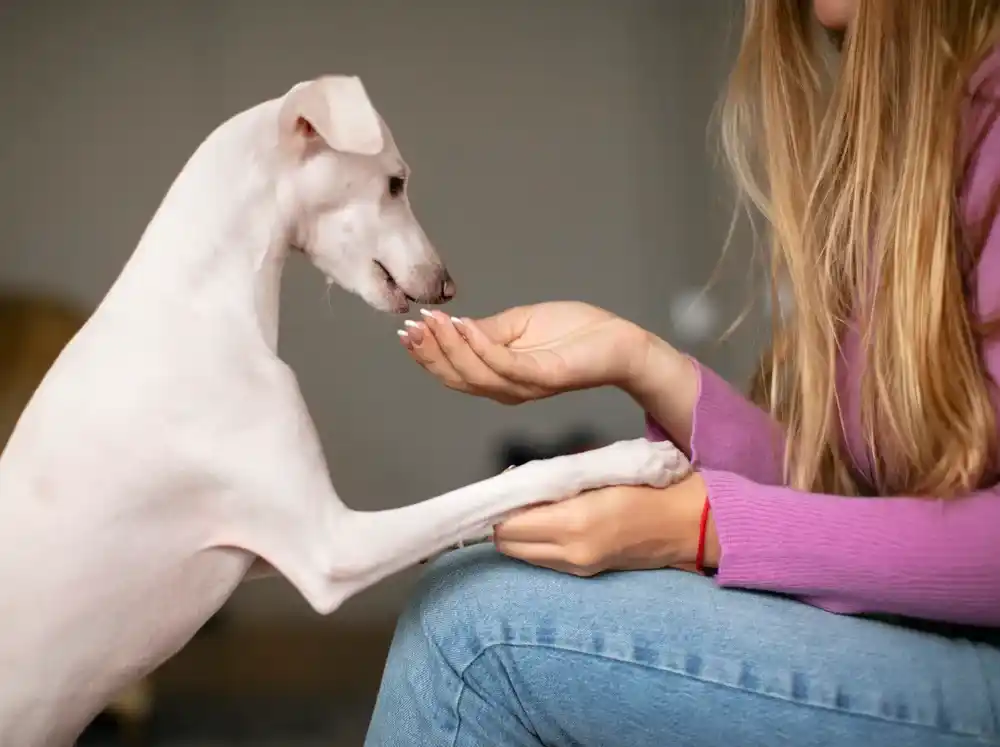
Teaching your dog to accept pills willingly can save you years of stress. Start by practicing with harmless treats shaped like pills. Gently open your dog’s mouth, place the treat inside, and reward them immediately with something delicious. Over time, your dog learns that the process leads to positive rewards, making real pill administration much easier.
Mistakes to Avoid When Giving Dogs Pills
Even well-meaning owners sometimes make errors that backfire. Avoid these common pitfalls:
Forcing the pill harshly, which creates fear.
Using unsafe foods like chocolate, grapes, or onions to hide pills.
Mixing pills with an entire meal, since your dog may refuse the food and waste both the meal and the medication.
Skipping doses when your dog resists, which lowers treatment effectiveness.
By avoiding these mistakes, you increase your chances of success every time.
When to Ask for Veterinary Help
If you repeatedly fail to administer medication, contact your veterinarian. They may be able to prescribe the same medication in a different form, such as liquid, chewable, or transdermal gel. Some pharmacies even prepare flavored versions of medication to make them more appealing to dogs. Remember, struggling too long without success could compromise your pet’s health.
How to Get a Dog to Take a Pill with Liquids or Chewables
In some cases, your vet might switch the prescription to a liquid or chewable form. Liquid medication can be drawn into a syringe and gently squirted into your dog’s cheek pouch, making swallowing almost automatic. Chewable tablets often taste like treats and are easier to administer. Both options can be lifesavers if traditional pills are too challenging.
Turning Pill Time into Bonding Time
The way you approach pill time matters. Dogs pick up on your emotions. If you act nervous, they may become anxious. Instead, treat the process as a game or routine bonding moment. Use calm tones, maintain patience, and always end with something positive—like a belly rub, play session, or walk. Over time, your dog associates medication with care and attention rather than stress.
Frequently Asked Questions
1. What if my dog spits out the pill every time?
Try layering methods: use a pill pocket inside food, followed by another treat immediately. If the problem persists, ask your vet about alternative forms.
2. Can I put pills in my dog’s water bowl?
No. Most pills will not dissolve properly, and your dog may avoid drinking the water.
3. Is peanut butter always safe for dogs?
Yes, but only if it does not contain xylitol, which is toxic to dogs. Choose natural, unsalted varieties.
4. How long should I try before asking for help?
If you fail after several attempts or your dog shows signs of stress, call your vet. Medication compliance is too important to risk delays.
Final Thoughts on How to Get a Dog to Take a Pill
Learning how to get a dog to take a pill requires patience, creativity, and understanding of your pet’s unique personality. From disguising pills in food to using specialized tools, there are multiple strategies available. The best method often combines persistence with positive reinforcement. Remember, medication is vital for your dog’s health, so investing time in mastering this skill ensures your furry friend stays happy and healthy.
The next time you face pill time, try these proven techniques. With consistency, you will turn a stressful challenge into a routine moment of care and bonding.