Bathing your dog is more than just a way to keep them clean. Done correctly, it supports skin health, maintains a shiny coat, prevents unpleasant odors, and creates a positive bonding experience. Learning how to bathe a dog properly ensures the process is safe, efficient, and comfortable for both you and your pet.
This guide provides a detailed, step-by-step approach that works for any breed, coat type, or living environment, with practical tips to avoid stress and common mistakes.
Understanding the Importance of Regular Bathing
Bathing a dog isn’t just about looks—it’s an essential part of basic pet care. Dirt, allergens, and bacteria accumulate on the coat over time, and without proper cleaning, these can lead to skin irritation or more serious conditions.
Bath time also allows you to check your dog for:
Lumps or bumps
Skin redness or dryness
Fleas and ticks
Ear and paw health
By turning bathing into a routine, you protect your dog’s overall health while keeping them smelling fresh.
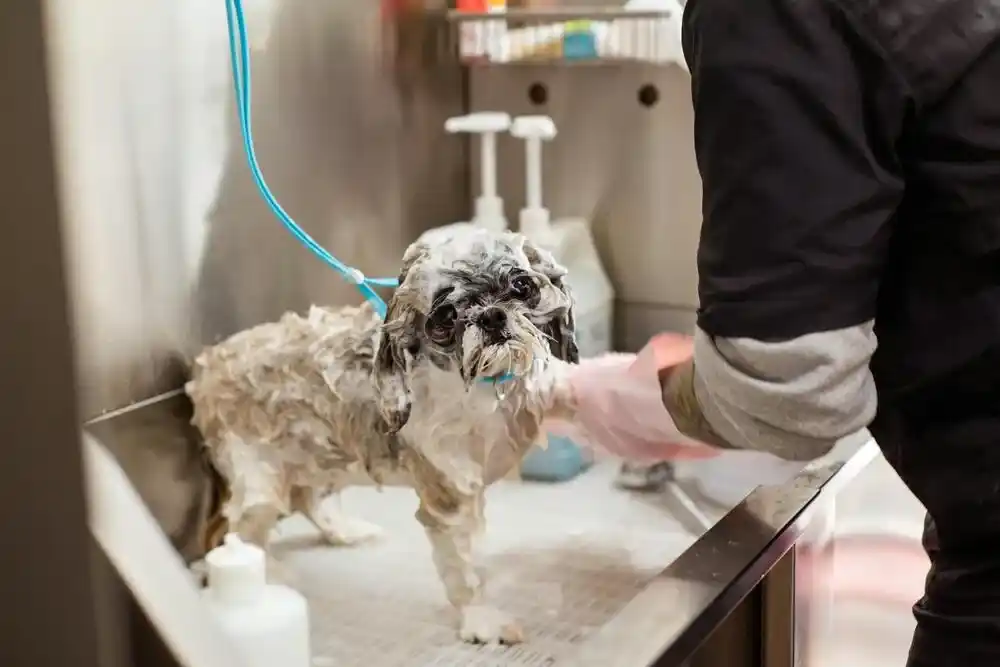
Preparing Before You Start
The success of the bath depends largely on preparation. Rushing without the right setup often leads to stress, mess, and an incomplete clean.
Essential tools to have ready:
Dog-specific shampoo (suited for your dog’s skin and coat type)
Optional conditioner for long or thick coats
Towels or a pet-safe dryer
A brush or comb appropriate for the breed
Cotton balls to protect the ears
A non-slip mat for safety
A cup or detachable showerhead for rinsing
Location options:
Bathroom bathtub or shower
Laundry sink for smaller dogs
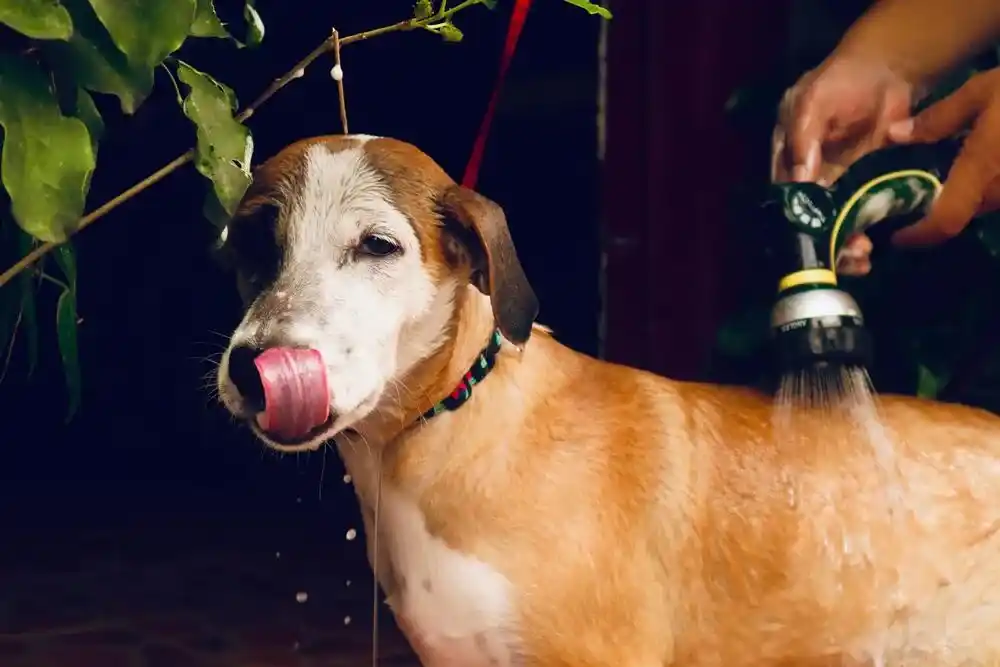
Outdoor space with a hose (in warm weather)
Pro tip: Brush your dog before the bath to remove tangles and loose hair, making the washing and drying process easier.
Step-by-Step Bathing Instructions
Bathing a dog the right way involves more than simply wetting and soaping. Follow these steps for the best results:
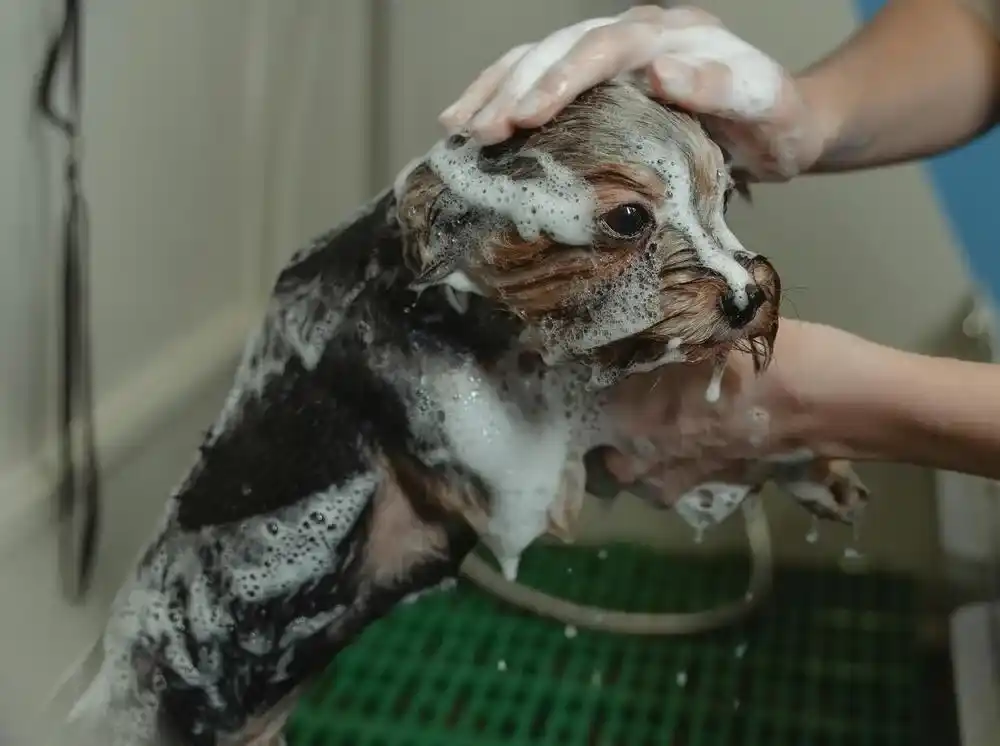
Secure your dog: Keep them calm and steady with gentle handling.
Wet the coat thoroughly: Use lukewarm water to avoid discomfort.
Apply shampoo evenly: Work it in gently from neck to tail, avoiding eyes and ears.
Massage into the coat: This stimulates the skin and ensures a deep clean.
Rinse completely: Leftover shampoo can cause irritation.
Apply conditioner if needed: Especially for breeds with longer coats.
Final rinse: Make sure no product remains in the fur.
How to Bathe a Dog with Special Considerations
Not every dog can be bathed the same way. Puppies, seniors, and dogs with health conditions require specific care.
Puppies: Use gentle puppy shampoo, keep baths short, and water warm.
Senior dogs: Provide padded support and avoid making them stand too long.
Dogs with skin issues: Only use medicated shampoos prescribed by a vet.
By adapting the bath to your dog’s age and condition, you prevent stress and discomfort.
Drying the Right Way
Drying is just as important as washing. Leaving your dog damp can cause chills or skin issues.
Drying steps:
Wrap your dog in a towel to remove excess water.
Use a pet-safe dryer on a low, cool setting if needed.
Keep the dryer moving to avoid heat buildup.
Brush the coat after drying to prevent tangles.
Reducing Bath-Time Stress
Some dogs naturally enjoy water, while others find it intimidating. To make bath time easier:
Use positive reinforcement with treats and praise.
Start with short sessions if your dog is new to bathing.
Keep a calm tone and avoid sudden movements.
When dogs associate baths with comfort and rewards, the process becomes much smoother.
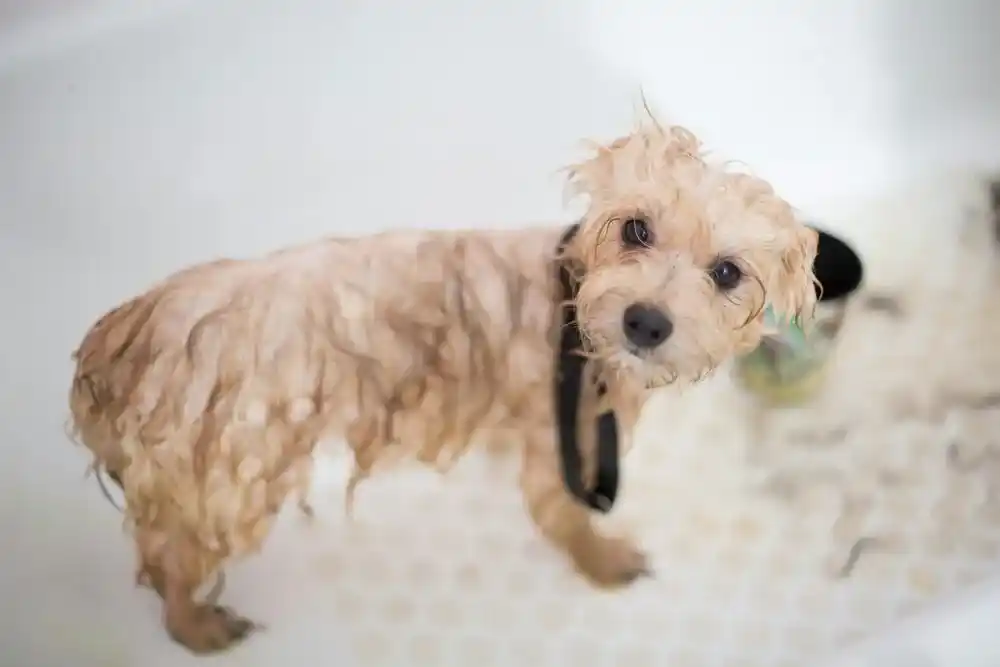
How to Bathe a Dog According to Coat Type
Different coats need different approaches:
Short hair: Quick to bathe and dry; gentle brushing before and after is enough.
Medium hair: Needs thorough brushing to remove loose fur and prevent matting.
Long hair: Requires conditioner to ease brushing and prevent tangles.
Double coat: Use a de-shedding tool before the bath for better results.
Choosing the right technique prevents damage and keeps the coat healthy.
Bathing Frequency Guidelines
Bath frequency depends on lifestyle, coat, and health:
Active dogs: every 4–6 weeks
Indoor pets: every 6–8 weeks
Skin conditions: follow vet recommendations
Overbathing can dry the skin, so always balance cleanliness with coat health.
Seasonal Bathing Tips
Seasonal changes can affect how often and how you bathe your dog:
Summer: Bathe more often if your dog swims or plays outdoors.
Winter: Reduce frequency to avoid dry skin caused by indoor heating.
Rainy seasons: Keep towels near the door for quick cleanups.
Adapting the routine to the season keeps your dog comfortable year-round.
Common Bathing Mistakes
Avoid these errors to keep your dog healthy and comfortable:
Using human shampoo, which can harm skin pH
Not brushing before the bath
Leaving shampoo residue in the coat
Bathing too often
Forgetting to dry ears and paws
Correct technique prevents irritation and infections.
Choosing the Right Shampoo
Select a shampoo that matches your dog’s needs:
Oatmeal-based for sensitive skin
Whitening for light-colored coats
Deodorizing for odor-prone dogs
Medicated for specific conditions
Always read the label and avoid harsh chemicals.
How to Bathe a Dog When Traveling
Traveling with your dog? Keep them clean with:
Portable grooming kits
Collapsible tubs
Dry shampoos for quick touch-ups
Planning ahead ensures your dog stays fresh wherever you go.
After-Bath Care
Post-bath grooming is crucial:
Brush to prevent tangles
Clean ears with a vet-approved solution
Check nails for trimming
Reward with treats and praise
This reinforces positive associations with bath time.
Professional Grooming vs. Home Bathing
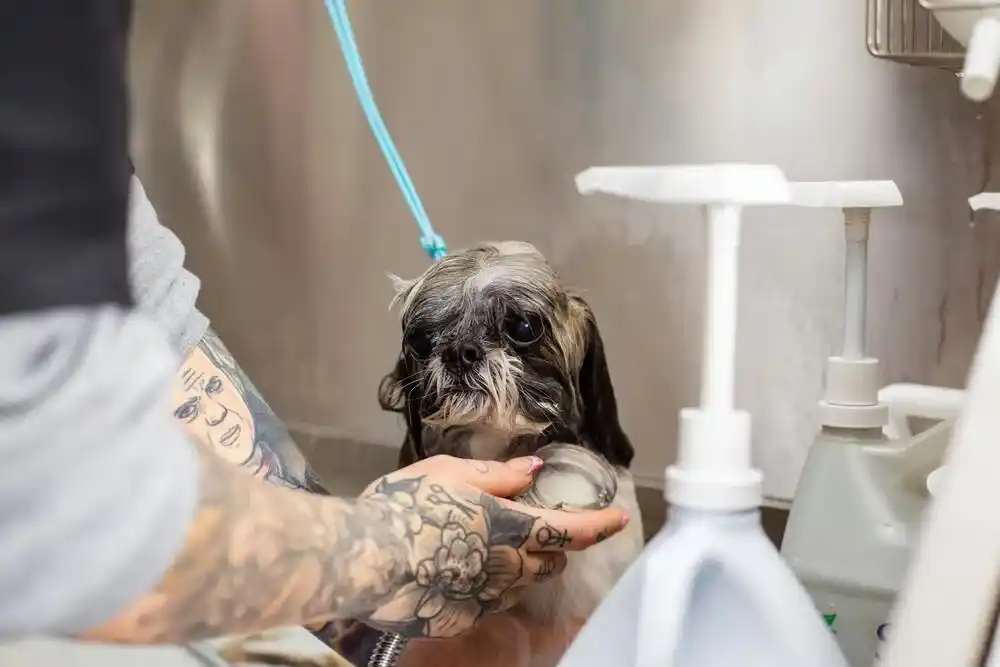
Professional groomers offer specialized tools and experience, especially for complex coats. However, learning how to bathe a dog at home saves money and builds trust with your pet. Many owners alternate between home baths and professional grooming sessions.
Creating a Bath Routine
Consistency makes bathing easier for both you and your dog. Choose a time when your dog is calm, stick to familiar steps, and keep supplies in one place.
Over time, your dog will know what to expect, reducing stress and improving cooperation.
Final Thoughts
Mastering how to bathe a dog benefits your pet’s health, comfort, and appearance. With preparation, the right products, and a gentle approach, bath time can be a positive experience. Stay consistent, adapt to your dog’s needs, and you’ll keep them clean, happy, and healthy all year long.