Losing a dog is one of the worst nightmares for any pet owner. Thanks to modern technology, a reliable GPS dog collar can be a lifesaver, giving you peace of mind and helping you locate your furry friend quickly if they wander off. In this complete guide, you’ll learn how GPS dog collars work, their main features, pros and cons, and tips on choosing the best one for your dog’s needs.
What Is a GPS Dog Collar and How Does It Work?
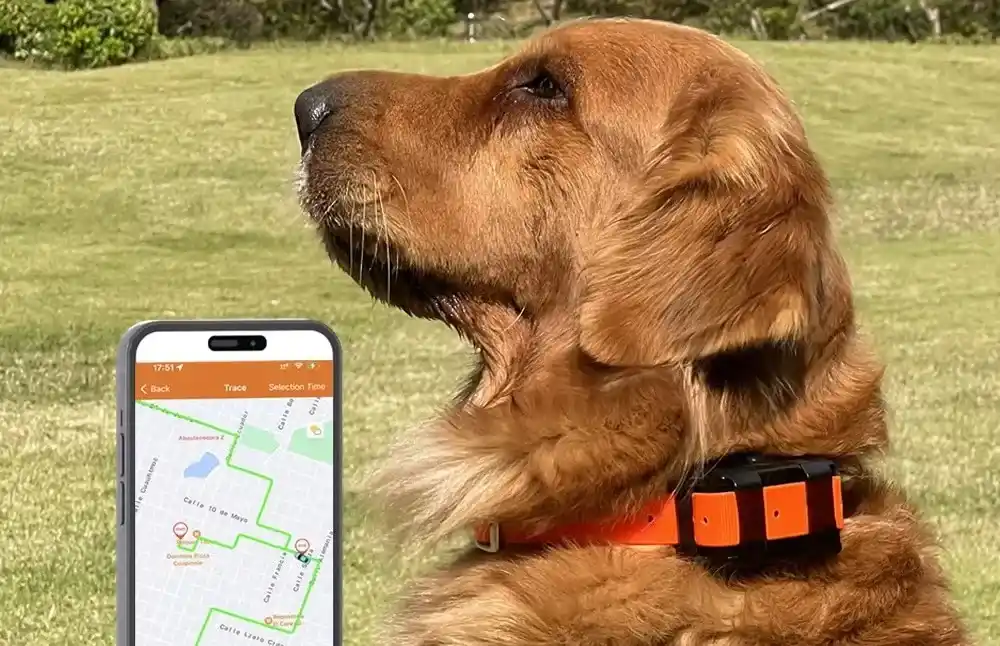
A GPS dog collar is a wearable device that tracks your dog’s real-time location using Global Positioning System (GPS) technology. Some models combine GPS with cellular, Bluetooth, or Wi-Fi connections to improve accuracy and update frequency. The collar sends your dog’s location to an app on your smartphone, allowing you to monitor their whereabouts anytime.
While regular microchips help identify lost pets, they don’t provide live tracking. That’s where a GPS dog collar becomes so valuable: it gives you the ability to pinpoint your dog’s location instantly instead of waiting for someone to scan a chip.
Key Features to Look for in a GPS Dog Collar
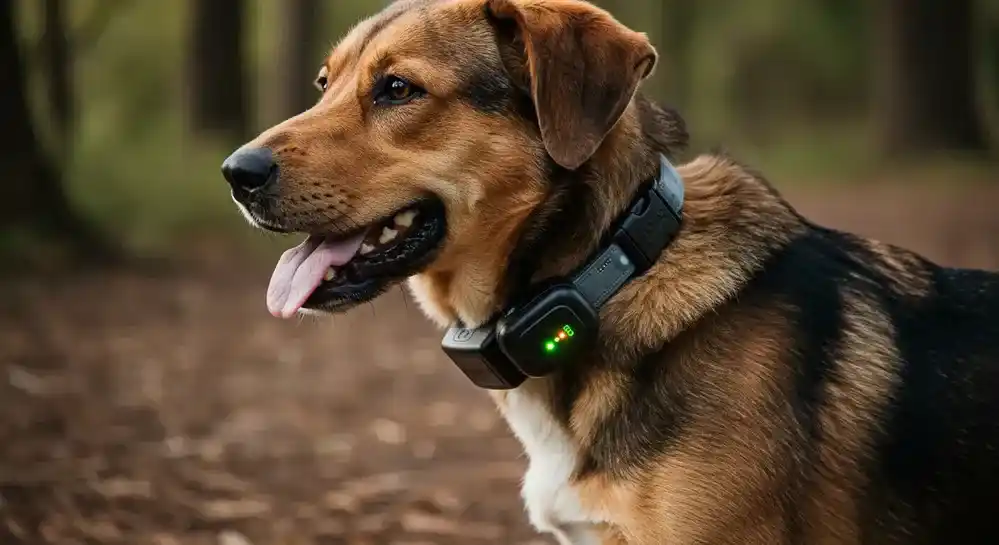
When shopping for the best GPS dog collar, pay attention to these important features:
Real-time tracking: Updates your dog’s location instantly so you can act fast if they run off.
Virtual fence or safe zones: Lets you set up boundaries; you get alerts if your dog leaves the designated area.
Battery life: Look for a collar that lasts at least a few days between charges, especially if your dog spends a lot of time outside.
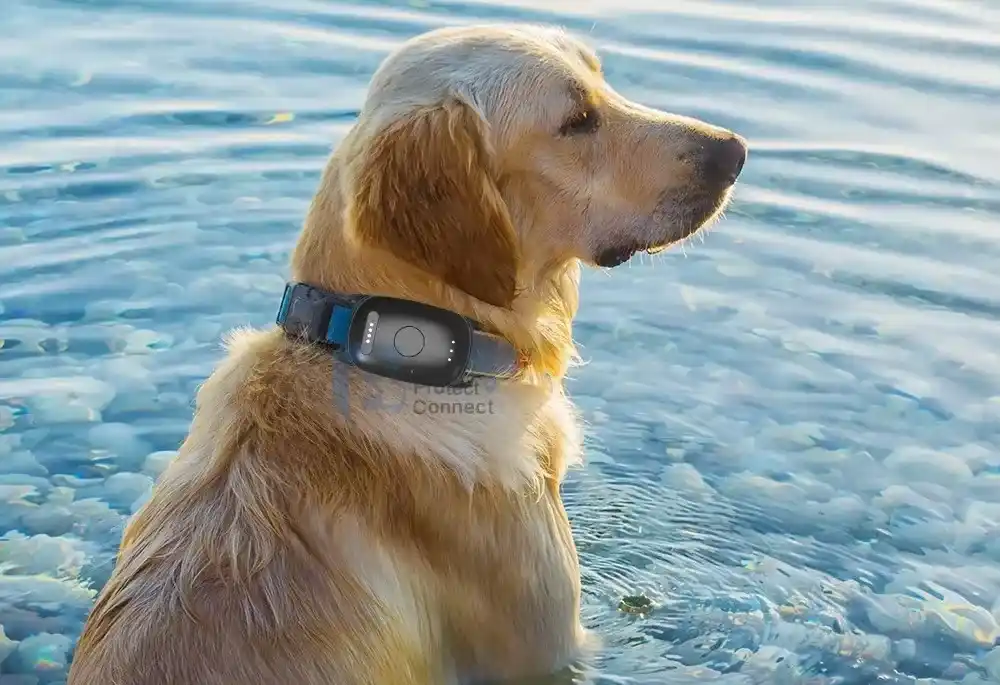
Waterproof design: Essential for adventurous dogs who love swimming or playing in the rain.
Size and comfort: Make sure the collar fits well and doesn’t irritate your dog’s neck.
Coverage: Some collars use cellular networks; check if the service works well in your area.
Always choose a GPS dog collar that matches your dog’s activity level and lifestyle.
GPS Dog Collar: Pros and Cons
Like any pet gadget, a GPS dog collar comes with advantages and some drawbacks. Here’s a quick breakdown:
Pros:
Peace of mind knowing you can find your dog anytime.
Useful for dogs with strong prey drive or escape artists.
Easy to monitor multiple dogs at once with some devices.
Helps prevent your dog from getting lost permanently.
Cons:
Some models require monthly subscription fees for cellular connectivity.
Battery life varies; some need frequent charging.
GPS signals can be weak in remote areas or indoors.
Overall, the benefits far outweigh the downsides for most pet parents.
How to Use a GPS Dog Collar Effectively
Once you choose your GPS dog collar, take these steps to get the best results:
Charge and test: Fully charge the collar before first use and test it on short walks.
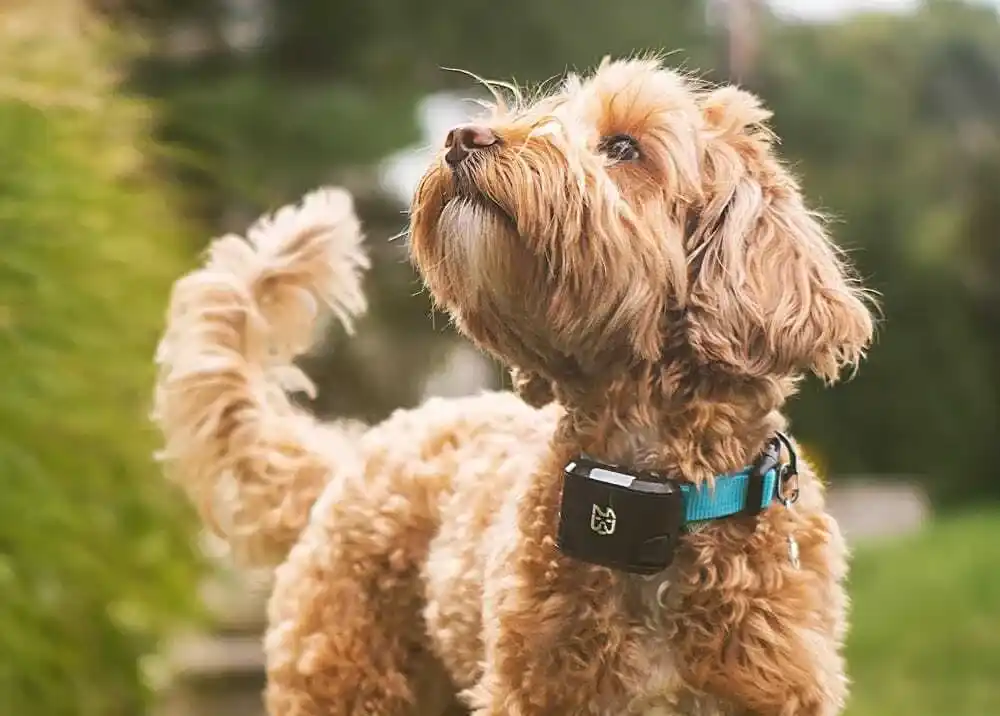
Adjust fit: Make sure the collar is snug but comfortable. You should be able to fit two fingers between the collar and your dog’s neck.
Set safe zones: Use the app to define your yard or safe roaming area. You’ll get instant alerts if your dog goes beyond the boundary.
Monitor battery: Get into the habit of checking battery levels regularly so you’re never caught off guard.
Train your dog: Pair the collar with good recall training — technology works best with obedience!
Extra Tips for Keeping Your Dog Safe
A GPS dog collar is amazing, but it works best with good safety habits:
Always use a sturdy leash when walking near busy roads.
Make sure your dog has an ID tag with your contact info.
Keep your yard secure with fences or gates in good condition.
If you travel, update your safe zones to your new location.
Combining technology with common sense is the best way to protect your pet.
Frequently Asked Questions (FAQ)
1. Does a GPS dog collar replace a microchip?
No. Microchips provide permanent ID if your dog is found by someone else, but a GPS dog collar helps you find your dog yourself in real-time.
2. How accurate are GPS dog collars?
Most collars are accurate within a few meters. Combining GPS with Wi-Fi or Bluetooth can improve precision.
3. Do I need a subscription?
Many GPS dog collars require a monthly fee for cellular service. Some offer basic Bluetooth-only tracking without extra costs.
4. Can a GPS dog collar get wet?
Most good models are waterproof or water-resistant — ideal for dogs that love swimming.
5. Will it work anywhere?
It depends on the model. Cellular-based collars rely on coverage in your area, so check before you buy.
Final Thoughts: Peace of Mind with a GPS Dog Collar
A GPS dog collar is one of the best investments you can make for your dog’s safety. Whether you have an escape artist, an outdoor adventurer, or just want extra security, GPS tracking gives you real-time updates and helps you react fast if your dog gets lost. Pair this technology with proper training, secure fencing, and good ID tags — and you’ll keep your furry friend safer than ever.