Life changes can be hard, especially for our pets. When we shift from working at home to a full-time job outside, the sudden absence can be confusing and stressful for dogs. While humans adjust quickly to new routines, dogs often struggle to cope with this sudden separation. This situation commonly leads to a condition known as dogs and separation anxiety.
Understanding how your job change affects your dog emotionally is the first step. Whether you’re starting a new job, going back to the office, or changing work schedules, your dog may feel lost and anxious. Fortunately, there are many effective strategies that can make the transition smoother for both of you.
Let’s explore what causes dogs and separation anxiety, how to identify it, and most importantly, what you can do to support your furry friend through the process.
What Is Separation Anxiety in Dogs?
Separation anxiety occurs when a dog becomes overly attached to their owner and panics when left alone. It’s not just a little whining or barking—it can become a serious emotional and behavioral problem.
Dogs suffering from this condition may:
Bark or howl for hours
Destroy furniture, doors, or windows
Try to escape the house or crate
Urinate or defecate indoors
Pace nonstop or drool excessively
These behaviors usually begin within a few minutes after you leave. In most cases, they are not due to poor training or spite—they are signs of deep emotional distress.
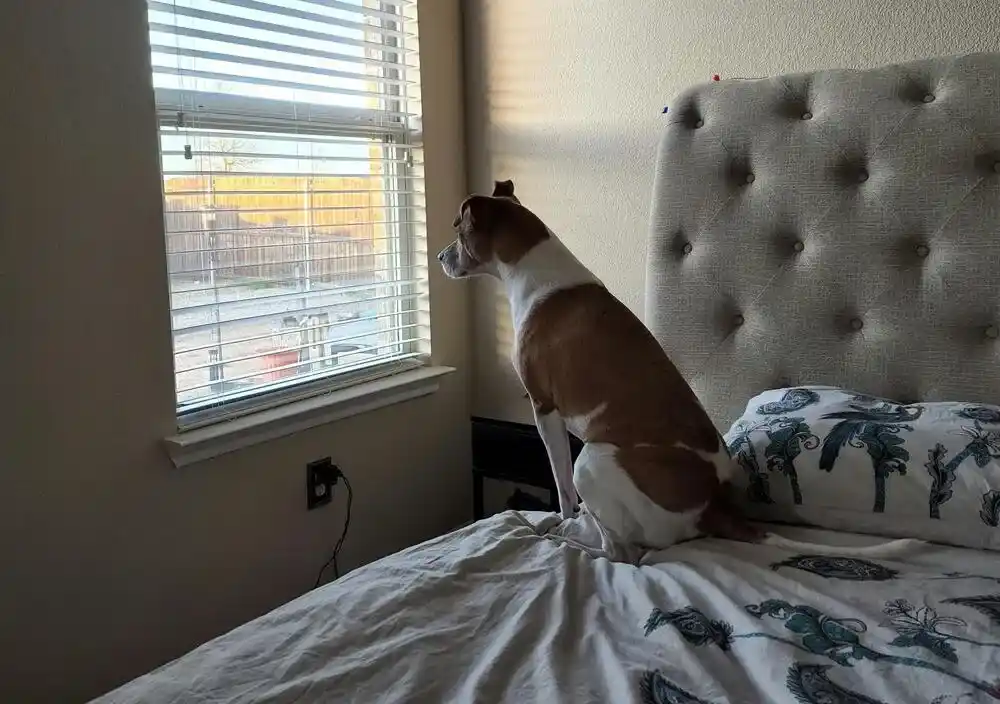
Why Employment Changes Trigger Dogs and Separation Anxiety
When your routine changes, your dog’s world changes too. During remote work, your dog likely got used to having you around all day. Suddenly leaving them alone for hours can feel like abandonment. For dogs with sensitive temperaments or past trauma, this shift can be overwhelming.
Several work-related changes that trigger anxiety include:
Returning to the office after working from home
Starting a new job with longer hours
Switching from day shifts to night shifts
Increased travel or inconsistent schedules
Each of these can disrupt your dog’s routine, leaving them confused and anxious.
Early Signs You Shouldn’t Ignore
It’s important to recognize the early signs of dogs and separation anxiety before they worsen. Some symptoms may appear mild at first but can escalate quickly.
Watch for these warning signs:
Clinginess when you’re preparing to leave
Depression or lack of interest in toys or food
Increased vocalization when you’re gone
Destructive behavior near doors or windows
These early symptoms are your cue to take action before your dog’s emotional state declines.

How Routine Reduces Anxiety
Dogs love structure. Predictability gives them confidence and reduces stress. By creating a consistent daily routine, you help your dog know what to expect—and when.
Try to:
Feed and walk your dog at the same times every day
Schedule playtime before you leave for work
Stick to a similar sleep and wake-up time daily
Even when your work schedule changes, maintaining your dog’s basic routine builds emotional stability.
Practice Short Absences First
Before making a big change, start small. Leave your dog alone for short periods and gradually increase the time.
For example:
Step outside for 5 minutes and return without fanfare.
Leave for 15 minutes while offering a treat or toy.
Build up to an hour or more, depending on your dog’s comfort level.
This gradual exposure reduces the panic associated with your absence. Pair each absence with positive experiences so your dog builds confidence over time.
Use Positive Reinforcement to Ease Separation
Reward your dog for calm behavior. Whenever your dog stays relaxed as you prepare to leave or returns to their bed on command, offer praise and a treat.
Avoid scolding your dog if they misbehave while you’re away. Instead, focus on reinforcing positive behaviors they can repeat.
With time, your dog will begin to see your departure as part of a routine—not something to fear.
Dogs and Separation Anxiety: How Safe Spaces Can Help
Creating a safe, comfortable place for your dog to relax while you’re away is essential. Dogs are den animals—they enjoy having a space that feels secure and familiar.
Options for safe spaces include:
A crate filled with cozy blankets
A gated-off room with toys and water
A corner of the house with your scent on a pillow or shirt
Make sure this space is quiet, free from stressors, and always available when you’re gone. Many dogs learn to associate this area with peace and calm.
Mental Stimulation Is Just As Important
Boredom often makes anxiety worse. Keep your dog’s mind busy while you’re out to distract them from your absence.
Try:
Puzzle toys with treats hidden inside
Stuffed Kongs with peanut butter or canned food
Frozen chew toys or bone alternatives
Slow-feeder bowls
Mental stimulation can turn your dog’s focus away from the fear of being alone and toward problem-solving and fun.
Dogs and Separation Anxiety: Tools and Products That Can Help
Several tools can support your efforts to manage dogs and separation anxiety effectively.
Some of the most helpful items include:
Calming collars or sprays with pheromones
White noise machines or relaxing music
Timed food dispensers to break up long periods alone
Pet cameras so you can monitor and talk to your dog remotely
Used consistently, these tools create an environment that feels less lonely and more predictable.
Limit Emotional Goodbyes and Greetings
As hard as it is, avoid making a big deal when leaving or returning. Emotional goodbyes tell your dog something scary is happening, and excited reunions reward their anxious behavior.
Instead:
Keep your exit low-key
Walk out quietly and confidently
When you return, wait until your dog is calm before giving attention
This approach teaches your dog that your departures and arrivals are neutral events, not high-stress moments.
Exercise Can Be a Game-Changer
Physical activity helps burn off excess energy and reduces stress hormones in your dog’s body. A tired dog is a calmer dog.
Try these strategies:
Walk your dog for at least 30 minutes before work
Include off-leash play or fetch games
Rotate activities to keep it interesting
Regular exercise combined with a structured routine significantly reduces the severity of dogs and separation anxiety.
When Crate Training Works—and When It Doesn’t
Crates can be useful for some dogs, but not all. If your dog views their crate as a safe space, it can become a sanctuary while you’re gone. However, if they see it as confinement or punishment, it can increase anxiety.
To crate train properly:
Introduce the crate slowly with treats and praise
Never force your dog inside or use it for punishment
Keep the door open at first so they can explore
Crating should feel like a choice, not a sentence. Always observe how your dog responds and adjust accordingly.
Dogs and Separation Anxiety: When to Involve a Professional
Despite your best efforts, some dogs require help from outside professionals. If your dog’s symptoms worsen or include self-harm, don’t hesitate to reach out.
You may need:
A veterinarian to rule out medical causes and recommend supplements or medications
A certified dog behaviorist to assess behavior and build a treatment plan
A positive reinforcement trainer for structured support
Professional help can be life-changing for both you and your dog. Don’t wait until things spiral—early intervention leads to better outcomes.
Stay Consistent Even on Weekends
Dogs don’t understand the concept of weekends. If your routine changes drastically on your days off, it can undo all the progress you’ve made during the week.
Try to:
Wake up at the same time each day
Feed and walk your dog on a similar schedule
Leave the house briefly, even if you don’t need to
This keeps the routine stable and your dog emotionally grounded.
Emotional Support for Owners
Caring for a dog with separation anxiety is emotionally exhausting. It’s normal to feel guilty, frustrated, or overwhelmed. But remember—your dog doesn’t need perfection. They need patience, love, and consistency.
Take care of your own emotional well-being:
Don’t blame yourself
Ask for help when needed
Celebrate small wins along the way
Your calm energy helps your dog feel more secure during this adjustment.
Conclusion: Supporting Dogs Through Every Life Change
Life changes happen, but they don’t have to damage your dog’s emotional health. With patience, preparation, and structure, you can help your dog cope and even thrive during employment transitions.
By recognizing the signs of dogs and separation anxiety early, building a consistent routine, using positive reinforcement, and creating a comforting environment, you empower your dog to face your absence with confidence—not fear.
Remember, your dog doesn’t understand your job, but they understand your love. Helping them through this transition isn’t just a behavioral task—it’s an act of devotion. With time and effort, both you and your dog will find balance in your new routine.