

Keeping your dog healthy starts with one essential step: dog vaccinations. These preventive measures protect your furry friend from serious, sometimes deadly diseases. But with so many types of vaccines and schedules, it’s easy for pet owners to feel overwhelmed. That’s why this guide breaks down everything you need to know about dog vaccinations — from the first puppy shot to adult boosters, costs, schedules, and more.
Dog Vaccinations: What They Are and Why They Matter
Vaccines are designed to trigger a dog’s immune system to produce antibodies against certain diseases. This immune “training” gives your dog the tools it needs to fight off infections before they cause serious harm.
Unlike treatments that only help after a dog gets sick, dog vaccinations prevent illness in the first place. This means fewer vet visits, lower medical bills, and most importantly, a longer, healthier life for your pet.
There are two main types of dog vaccines:
Core vaccines: These are considered essential for all dogs, regardless of breed, size, or lifestyle.
Non-core vaccines: These depend on your dog’s individual risk factors such as location, exposure, and activity level.
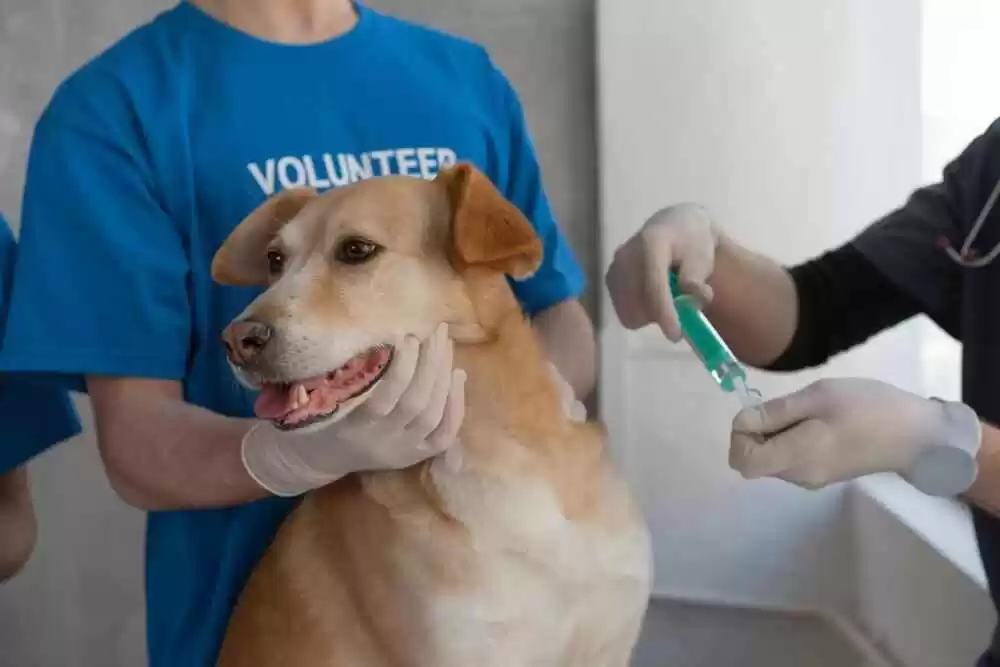
Core Dog Vaccinations: The Must-Haves for Every Dog
Core vaccines are recommended for every dog because they protect against diseases that are widespread, highly contagious, and often fatal. The main core vaccines include:
Rabies: Required by law in most places. Rabies is a deadly virus that can spread to humans.
Distemper: A highly contagious virus that affects the respiratory, gastrointestinal, and nervous systems.
Parvovirus: Causes severe vomiting, diarrhea, and dehydration. Puppies are especially vulnerable.
Adenovirus (Canine Hepatitis): Affects the liver and can be deadly without treatment.
Most of these vaccines are given as a combination shot known as the DHPP vaccine (Distemper, Hepatitis, Parvo, Parainfluenza).
Dog Vaccinations Schedule: From Puppyhood to Adulthood
Vaccination starts early — usually at six to eight weeks of age — and continues into adulthood. Here’s a general schedule for dog vaccinations:
Puppy Schedule (6–16 weeks):
6–8 weeks: First DHPP shot
10–12 weeks: Second DHPP shot
12–16 weeks: Rabies shot + third DHPP shot
14–16 weeks: Any additional non-core vaccines (based on risk)
Adult Dog Schedule:
1 year: Booster for DHPP and rabies
Every 1–3 years: Ongoing boosters depending on your vet’s recommendation
Regular vet checkups help ensure that your dog stays on track with vaccinations and gets the necessary protection.
Non-Core Dog Vaccinations: Based on Lifestyle and Risk
While core vaccines are universal, non-core ones are more selective. These are recommended depending on your dog’s exposure and lifestyle:
Bordetella (kennel cough): Important for dogs in daycare, boarding, or grooming environments.
Leptospirosis: A bacterial infection spread through contaminated water; common in rural or flood-prone areas.
Lyme disease: Transmitted by ticks; recommended for dogs that spend time in wooded or grassy areas.
Canine Influenza: Useful for dogs who have frequent contact with other dogs in parks or events.
Talk to your veterinarian about your dog’s routine to determine which non-core vaccines make sense.
Dog Vaccinations and Side Effects: What to Expect
Most dogs tolerate vaccines well, but mild side effects are possible. These usually appear within 24–48 hours and include:
Low energy
Mild fever
Soreness at the injection site
Decreased appetite
Serious reactions like vomiting, swelling, or breathing difficulty are extremely rare but require immediate attention. The risk of side effects is far smaller than the danger of unvaccinated dogs catching life-threatening illnesses.
Dog Vaccinations Cost: What You Should Budget For
The price of dog vaccinations varies depending on where you live and your vet’s fees. On average:
Puppy series (3–4 visits): $75–$150 total
Rabies shot: $15–$25
Annual boosters: $50–$100
Non-core vaccines (each): $20–$50
Some clinics offer low-cost vaccine days or pet wellness packages to make it more affordable. Keeping up with vaccines is far less expensive than treating preventable diseases later.

Do Dogs Really Need Yearly Vaccinations?
This is a common question among dog owners. The answer depends on the vaccine. Some, like rabies, are legally required every 1 to 3 years. Others, such as DHPP or Bordetella, may require yearly boosters depending on your dog’s exposure risk.
A yearly checkup allows your vet to evaluate your dog’s health and decide which vaccines are due. Skipping vaccines not only puts your dog at risk but can also affect daycare eligibility, travel, or legal compliance.
Natural Immunity vs. Dog Vaccinations
Some pet owners explore natural immunity or raw diets as alternatives to vaccines. While good nutrition boosts overall health, it cannot replace the protection that dog vaccinations offer. Viruses like parvovirus and rabies don’t care how healthy your dog is — if exposed, unvaccinated dogs have little chance of survival.
Vaccines remain the only scientifically proven method to prevent deadly canine diseases.
Final Thoughts: Keeping Your Dog Protected with Vaccines
In the end, dog vaccinations are one of the most effective ways to protect your pet from avoidable suffering. They’re safe, affordable, and supported by decades of veterinary science. Whether you’re caring for a playful puppy or a senior dog, vaccines give you peace of mind and your dog a longer, healthier life.
So don’t skip those vet appointments — your dog is counting on you.