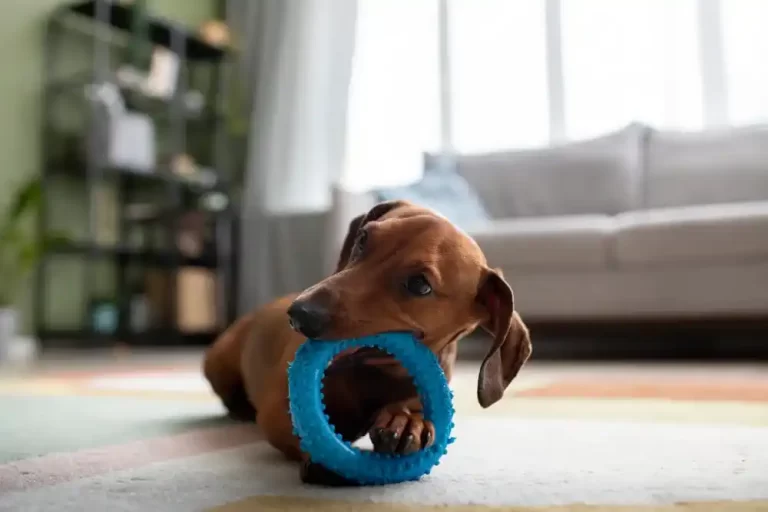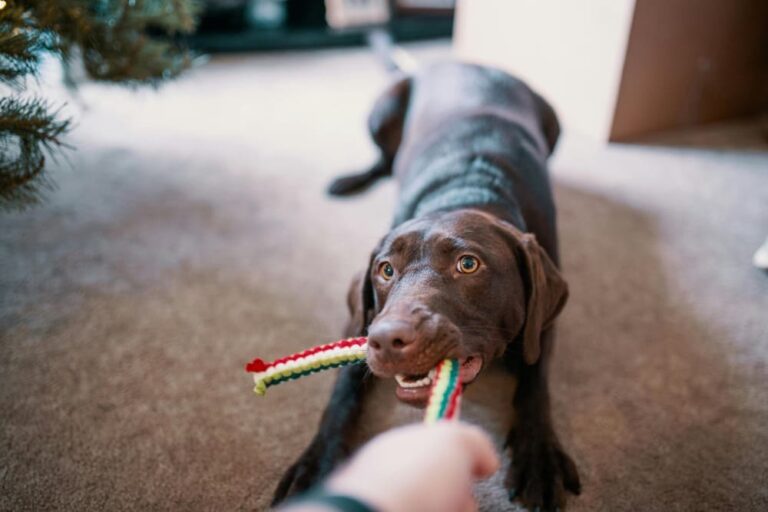
When you leave your house every morning, your dog does not simply wait for you to return. Instead, your dog experiences a full emotional and mental journey. Some dogs relax, however many others feel boredom, frustration, and even anxiety. Because of that, Dog toys for dogs home alone play a massive role in your dog’s daily well-being.
Dogs need stimulation in the same way people need activities, conversations, and challenges. Without that, dogs often turn to destructive behaviors. They chew furniture, scratch doors, bark nonstop, or dig through trash. However, when you introduce the right toys, your dog redirects that energy into something healthy, fun, and productive.
That is exactly why modern dog parents invest in Dog toys for dogs home alone. These toys do much more than entertain. They stimulate the brain, release physical tension, and create a sense of purpose for dogs while their humans are away.
In this complete guide, you will learn:
Why dogs struggle when they stay alone
How boredom affects behavior
How the right toys change everything
Which types of toys work best
How to build a toy routine that actually works
So now, let’s dive deep into how you can transform lonely hours into joyful, engaging time for your dog.
Why dogs feel stressed when they stay alone
Dogs evolved to live in social groups. In the wild, they hunt, rest, and travel with others. Even modern dogs still carry this instinct. When a dog suddenly finds itself alone, the brain searches for stimulation, comfort, and safety. If none appear, stress grows.
Some dogs handle solitude better than others. However, almost every dog needs some form of mental or physical engagement during the day. Without it, the brain releases stress hormones. That stress leads to chewing, pacing, whining, and sometimes even depression.
That is why structured activities matter so much. Dog toys for dogs home alone give dogs something meaningful to do. They shift the focus away from stress and toward curiosity and problem-solving.
How boredom turns into bad behavior
Boredom never stays small. It grows. First, your dog feels restless. Then, your dog looks for something to do. If toys or activities do not exist, your dog finds its own entertainment. That entertainment usually looks like torn pillows, destroyed shoes, or scratched doors.
This happens because dogs need goals. When you provide toys that challenge them, they feel satisfied. They work to get treats. They solve puzzles. They chew with purpose. Their brain stays busy, and therefore, they relax.
Because of that, Dog toys for dogs home alone do not just prevent destruction. They actually improve emotional balance.
How toys create emotional stability
Toys that challenge a dog’s mind create something powerful: flow. Flow happens when the brain focuses on a task. When a dog works to get food from a toy, time passes quickly. Stress disappears. Anxiety fades.
So instead of feeling abandoned, the dog feels engaged.
This is why trainers and behavior experts recommend enrichment toys for dogs who spend time alone. The right toy changes the entire emotional experience of the day.
Types of toys that truly help dogs home alone
Not all toys work the same way. Some simply entertain for a few minutes. Others keep a dog focused for an hour or more. The best results come from mixing different types.
Here are the main categories that truly work.
Puzzle toys
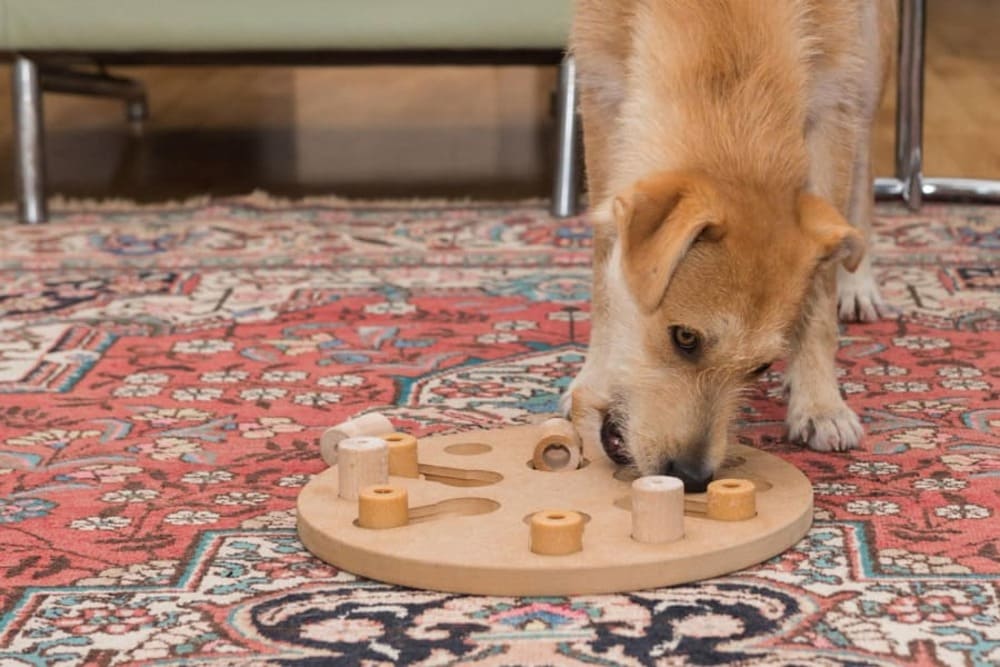
Puzzle toys challenge the brain. A dog must move parts, slide panels, or rotate compartments to find treats. These toys turn boredom into a game of discovery.
Dogs love puzzles because they activate curiosity. Every solved step gives a small reward. That creates motivation to keep going.
Treat-dispensing toys
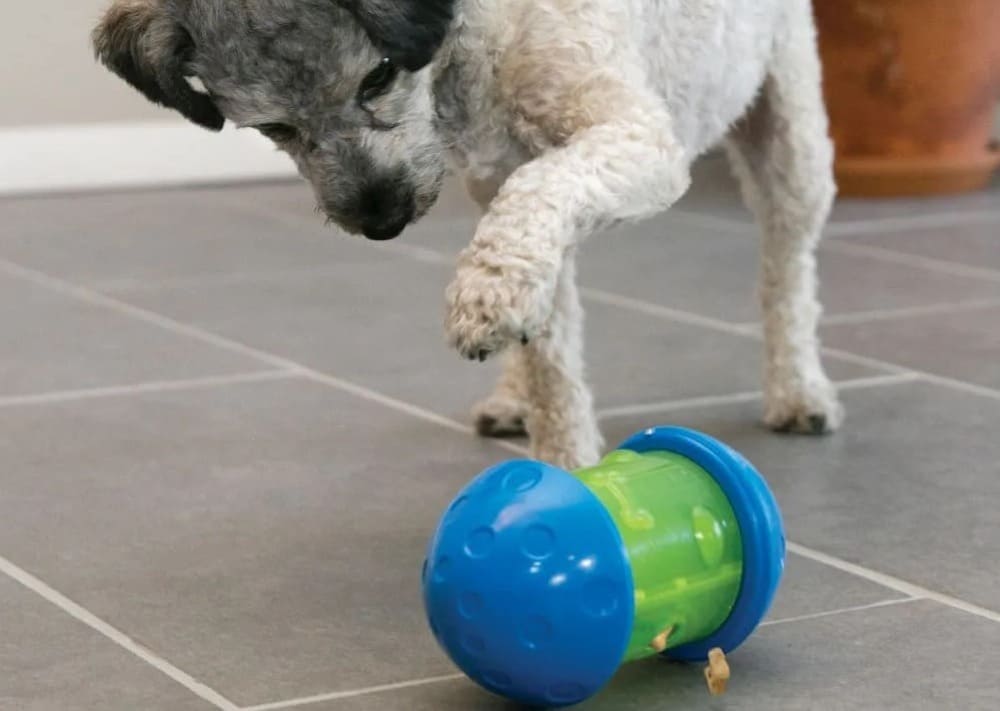
These toys hold food inside. The dog must roll, lick, or chew the toy to release the treats. This simple action turns mealtime into a long-lasting activity.
Many dog parents freeze soft food inside these toys to make them last even longer. That gives dogs a project that keeps them calm and busy.
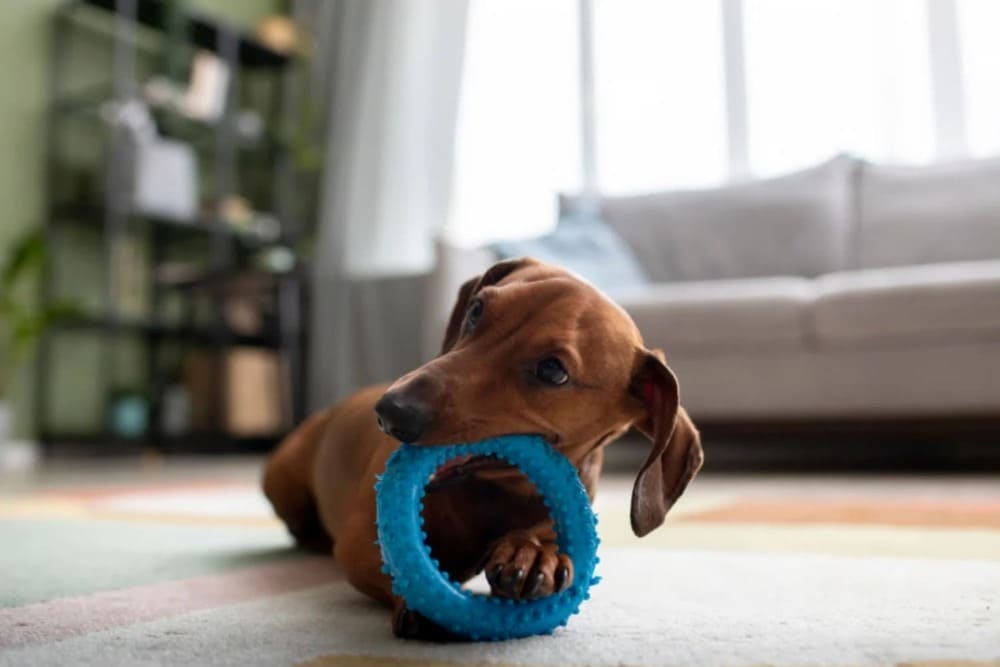
Chew toys
Chewing releases tension. It also satisfies a deep instinct. Durable chew toys allow dogs to release energy without destroying furniture.
Chew toys also promote dental health and reduce anxiety, especially for dogs that feel nervous when alone.
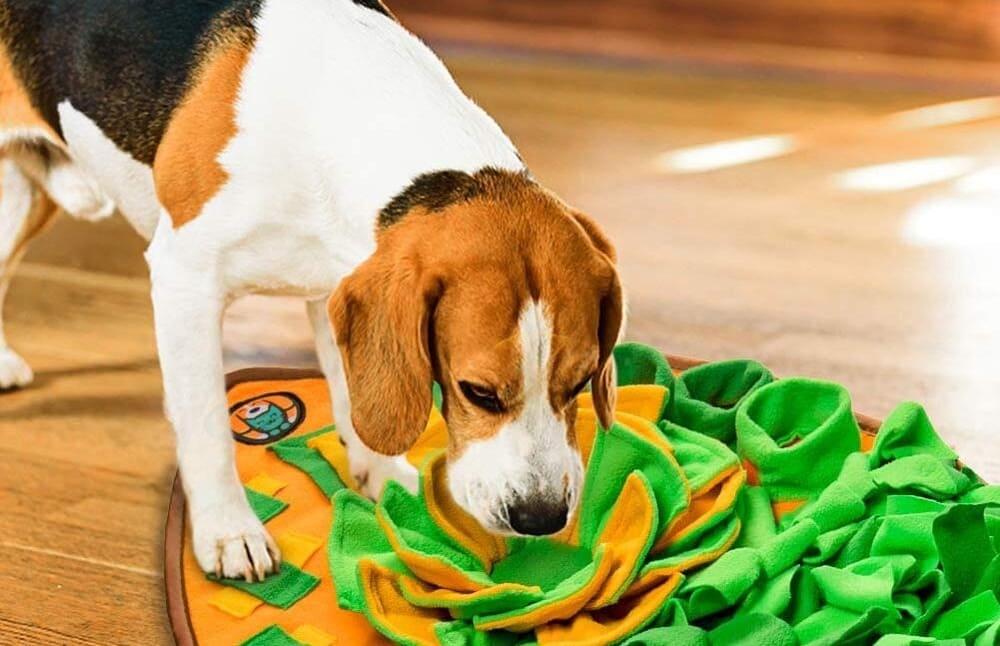
Scent-based toys
Dogs experience the world through smell. Toys that hide treats in fabric folds or textured surfaces activate the nose. This kind of mental work tires dogs in a healthy way.
When dogs search for food using their nose, they feel accomplished and calm.
How to build a toy rotation system
One common mistake many dog parents make involves leaving all toys out all the time. When toys stay available 24/7, they lose their novelty. Dogs get bored again.
Instead, you should rotate toys.
Keep some toys stored away. Every few days, swap them with the ones your dog already used. This simple trick makes old toys feel new again.
When you rotate toys, you also prevent overstimulation. Each day feels fresh and exciting for your dog.
Why variety matters more than quantity
You do not need dozens of toys. You need the right mix. A few puzzle toys, a few chew toys, and one or two scent-based toys create a powerful enrichment system.
This mix keeps the brain engaged, the mouth busy, and the nose active. Together, these activities reduce stress and boredom more effectively than piles of random toys.
That is why experienced dog parents always choose quality and variety instead of quantity.
How Dog toys for dogs home alone change daily routines
When you leave your house in the morning, your dog notices. Without toys, that moment creates stress. With the right toys, that moment becomes exciting.
You can create a ritual. Before leaving, you give your dog a special puzzle or a treat-filled toy. Your dog starts associating your departure with something positive.
Over time, your dog looks forward to this moment. Instead of feeling abandoned, your dog feels rewarded.
That emotional shift makes a huge difference in long-term behavior.
How to introduce toys the right way
Never just throw a toy at your dog and leave. First, show how it works. Let your dog sniff it. Let your dog explore. Put a few treats inside and help them find the first rewards.
When dogs understand how the toy works, they feel confident. That confidence increases engagement when they stay alone.
Always start slowly. Then, gradually increase difficulty as your dog improves.