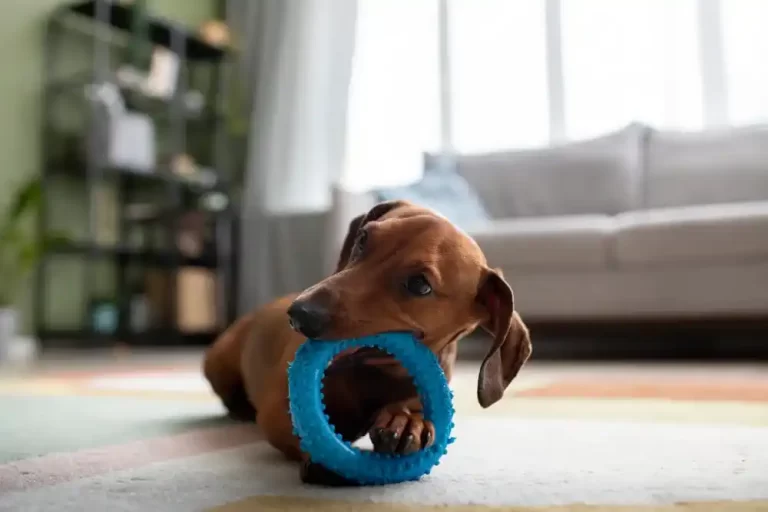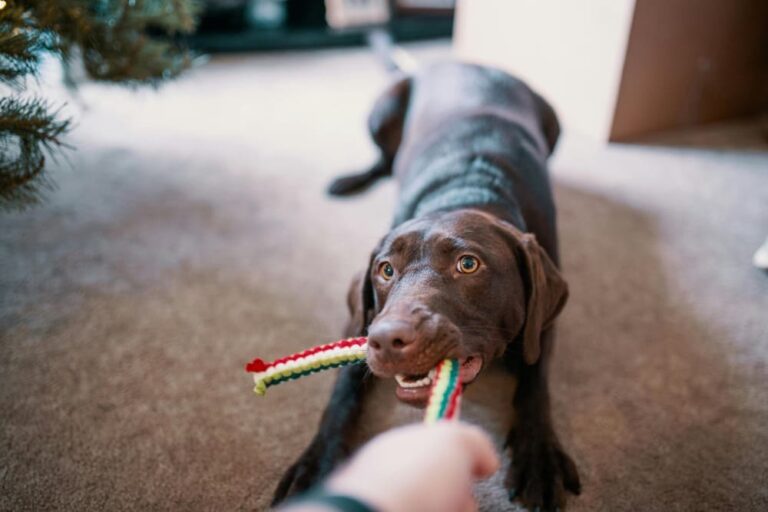
Every dog deserves a happy, healthy, and stimulating life. One of the simplest and most effective ways to achieve this balance is by using the right dog toy. Far from being just a playful accessory, toys play a crucial role in a dog’s development, physical fitness, mental health, and emotional well-being.
In this ultimate guide, you’ll discover everything about dog toys: their benefits, types, safety tips, training applications, and breed-specific recommendations. You’ll also learn how to select the best toy for your dog’s unique personality, age, and play style. By the end, you’ll know how to turn simple playtime into a powerful tool for bonding, enrichment, and long-term happiness.
Why Every Dog Needs a Toy
Dogs are instinct-driven animals. They chew, chase, tug, and problem-solve because those behaviors are part of their nature. Without the proper outlets, dogs often redirect these instincts into destructive actions—like chewing shoes, scratching furniture, or barking excessively.
A well-chosen dog toy provides safe alternatives that satisfy those instincts. Here are the top benefits:
Mental stimulation: Puzzle toys encourage problem-solving and keep your dog’s brain sharp.
Physical exercise: Fetch games and tug-of-war promote fitness and burn energy.
Dental care: Chew toys reduce plaque and tartar buildup.
Stress relief: Toys help manage anxiety, especially in dogs prone to separation stress.
Bonding: Interactive play strengthens the relationship between you and your dog.
Behavior management: Toys redirect destructive habits into healthy play.
When you understand these benefits, you see that a toy is not a luxury—it’s a necessity.
Categories of Dog Toys
To choose wisely, you must first understand the main categories of dog toys. Each category serves different purposes and matches different types of dogs.
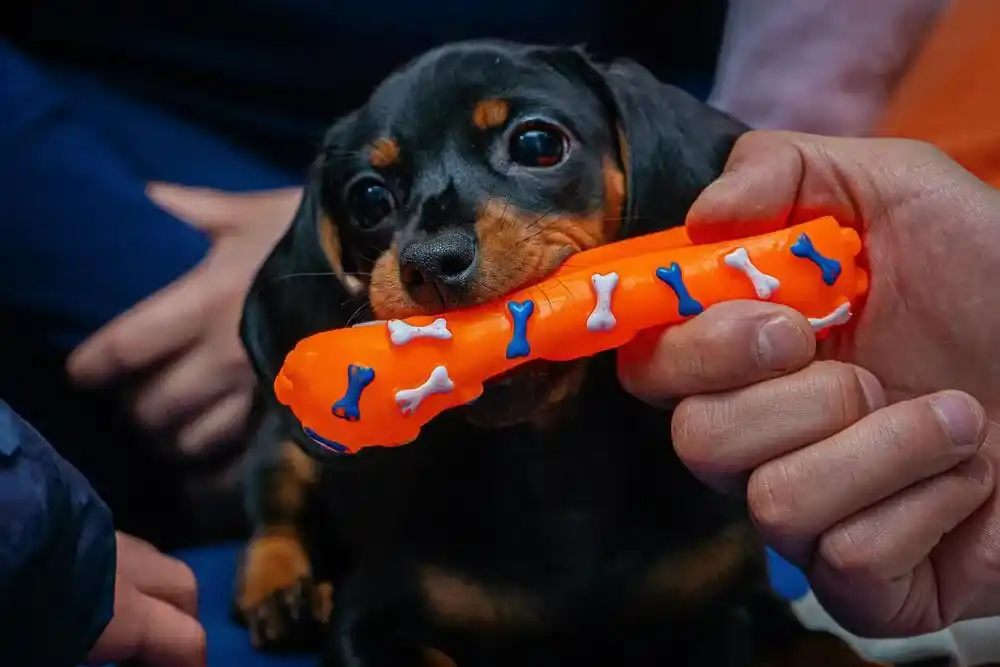
Chew Toys
Chewing is natural, but it can become destructive without safe options. Chew toys satisfy this need.
Materials: Rubber, nylon, fabric, or safe antler alternatives.
Examples: Kong Classic, Benebone, Nylabone.
Best for: Strong chewers, teething puppies, and anxious dogs.
Interactive Toys
These toys challenge your dog mentally and often involve food rewards.
Examples: Puzzle feeders, treat-dispensing balls, snuffle mats.
Benefits: Keep boredom away, promote slow eating, and encourage problem-solving.
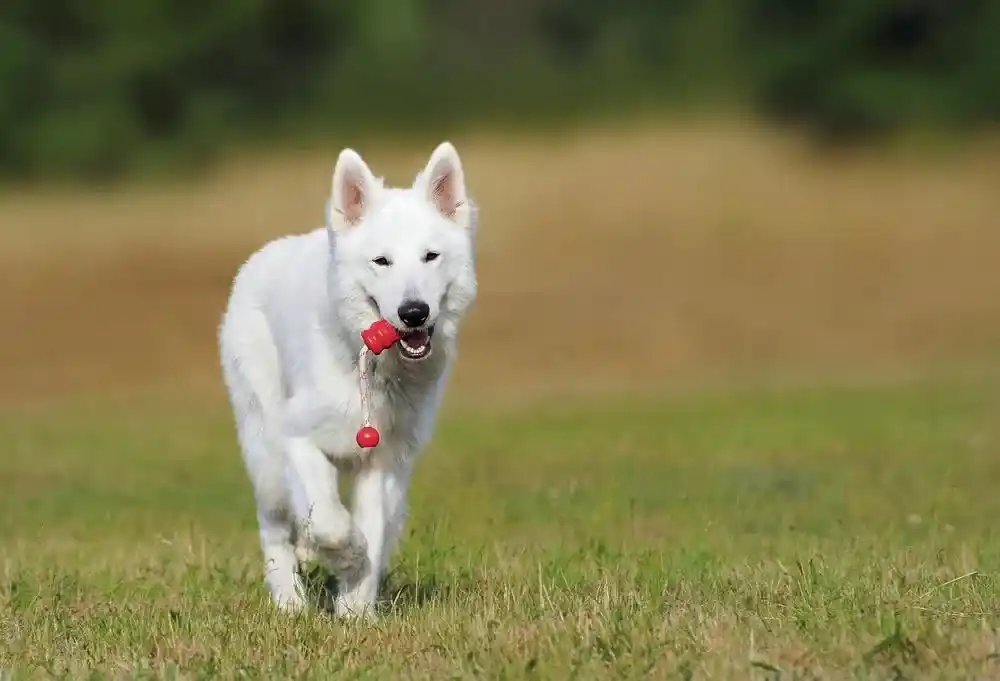
Fetch Toys
Active dogs thrive on fetch games.
Examples: Tennis balls, frisbees, rubber sticks.
Benefits: Improve stamina, build muscle, and strengthen recall training.
Tug Toys
Great for shared play and training impulse control.
Examples: Rope toys, tug rings.
Benefits: Physical exertion, bonding, and obedience practice (“drop it”).
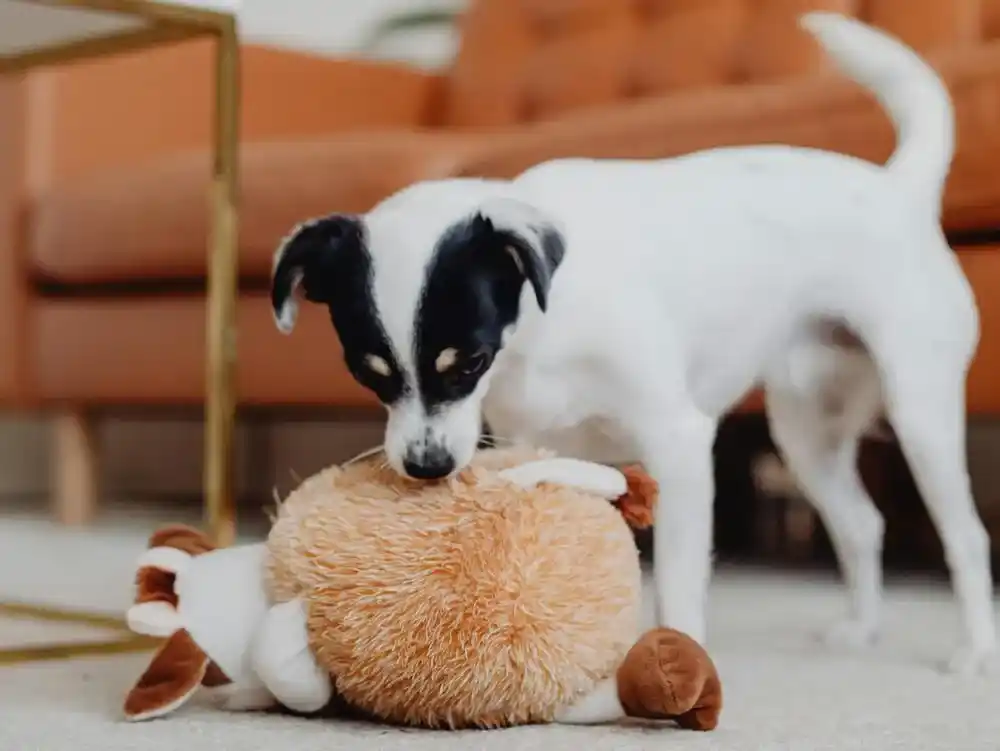
Plush Toys
Soft, comforting, and often squeaky.
Examples: Stuffed animals, plush bones.
Best for: Gentle chewers, puppies, and anxious dogs.
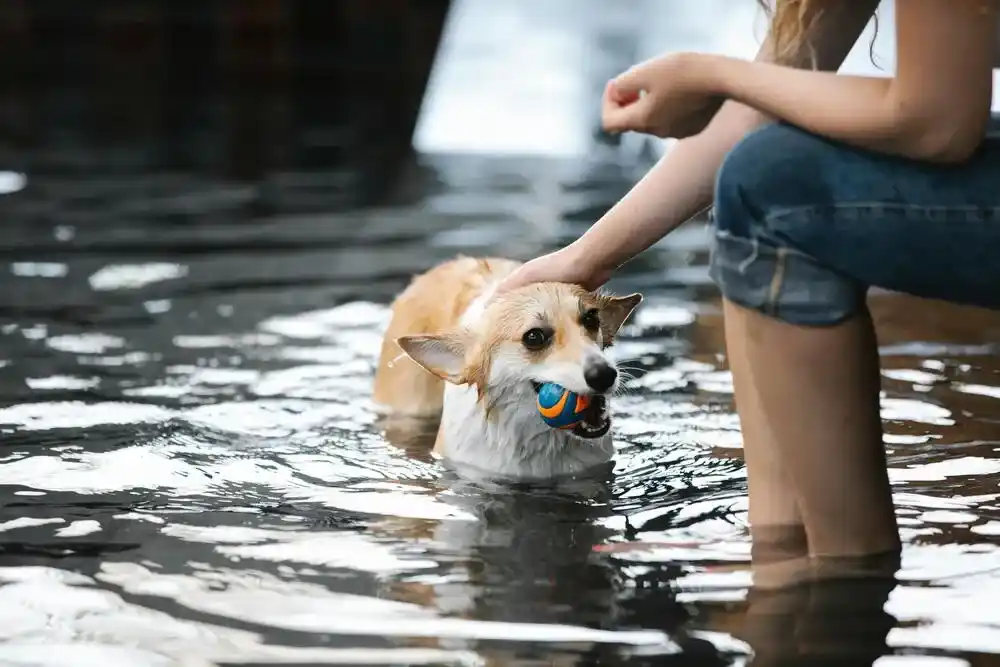
Water Toys
Perfect for water-loving breeds.
Examples: Floating balls, water frisbees.
Benefits: Safe swimming fun, low-impact exercise.
How to Choose the Right Dog Toy
Selecting the right toy requires careful thought. Dogs differ in age, size, and personality, so the perfect toy for one may not suit another.
Key Factors:
Size: Avoid toys that are too small, as they pose choking hazards.
Durability: Strong chewers need tough materials; puppies need softer options.
Play style: Energetic dogs love fetch; thinkers enjoy puzzles.
Safety: Ensure non-toxic, durable materials without sharp edges.
Purpose: Decide if the toy is for comfort, training, or high-energy play.
When you match the toy with your dog’s needs, you maximize safety and fun.
Safety and Maintenance Tips
Toys can only benefit your dog if they are safe. Follow these essential safety tips:
Always supervise new toys.
Regularly inspect for wear and tear.
Replace broken or damaged toys immediately.
Wash toys weekly to prevent bacteria buildup.
Rotate toys to keep playtime exciting and safe.
Dog Toys by Age
Dogs’ needs change as they grow.
Puppies: Soft chew toys, teething sticks, plush toys.
Adults: Variety of puzzle toys, fetch toys, and tough chews.
Seniors: Lightweight toys, soft chews, and comfort plush toys.
Dog Toys by Breed and Personality
High-energy breeds (Border Collie, Labrador): Frisbees, fetch balls.
Power chewers (Pit Bull, Rottweiler): Strong rubber chew toys.
Small breeds (Yorkshire Terrier, Chihuahua): Mini plush and lightweight fetch toys.
Anxious dogs: Plush companions, puzzle feeders.
Enrichment and Training with Toys
Toys can become tools for training and enrichment.
Hide kibble in a snuffle mat for a daily mental challenge.
Use fetch games to improve recall.
Practice “drop it” with tug toys.
Use stuffed Kongs to make crate training positive.
These playful strategies keep dogs sharp, calm, and cooperative.
Eco-Friendly Dog Toy Options
More dog owners are turning toward sustainable choices.
Natural rubber toys.
Organic cotton ropes.
Recycled plastic fetch toys.
Upcycled plush items.
Eco-friendly toys reduce waste and support a healthier planet.
Common Mistakes Owners Make with Toys
Choosing toys that are too small.
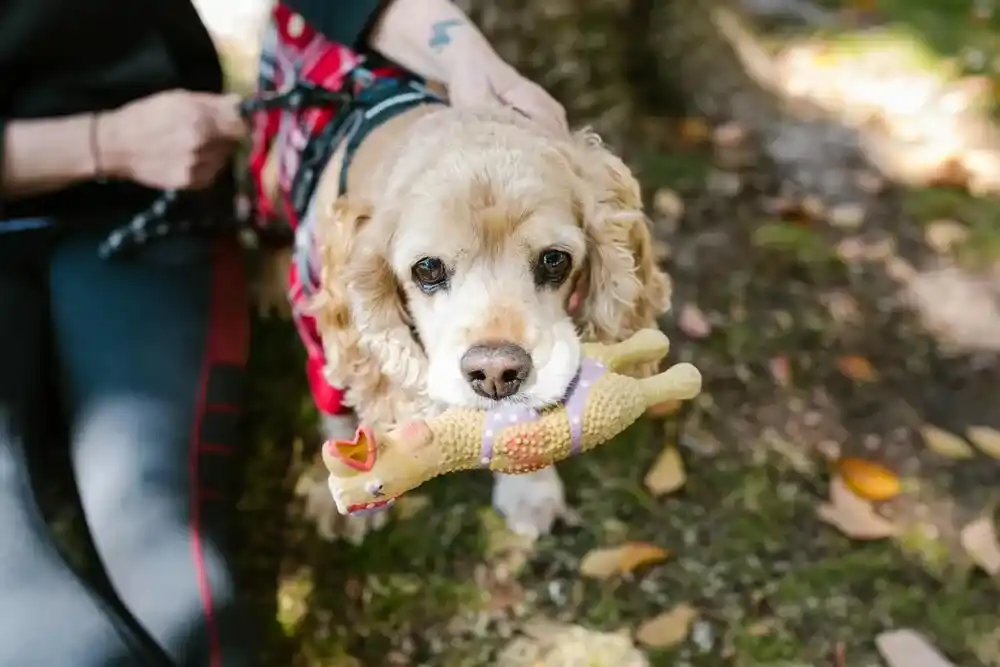
Leaving plush toys unsupervised with strong chewers.
Failing to clean toys often enough.
Not rotating toys to maintain novelty.
Ignoring a dog’s unique play style.
Avoiding these mistakes ensures long-term success with toys.
FAQs About Dog Toys
How many toys should my dog have? At least 6–8 from different categories.
Are squeaky toys safe? Yes, with supervision. Remove if squeaker breaks.
Do toys help with anxiety? Yes, especially puzzles and chew toys.
What’s best for teething puppies? Soft rubber toys and frozen plush toys.
How often should I replace toys? Replace at the first sign of damage.
Do puzzle toys really work? Absolutely—they challenge and enrich.
What’s the most durable option? Heavy-duty rubber toys like Kong Extreme.
Conclusion
A dog toy is not just a playful object—it’s an essential tool for your dog’s happiness, health, and behavior. By choosing the right toys, cleaning them regularly, and rotating them often, you ensure that playtime remains safe, exciting, and beneficial.
Whether you have a teething puppy, an active adult, or a senior in need of comfort, the right toy can make all the difference. Invest in quality toys, and you’ll not only improve your dog’s life but also strengthen the bond you share every single day.