Living with a dog shedding a lot can feel like a full-time job: hair on clothes, couches, carpets — and sometimes, the shedding feels abnormal and worrying. This guide covers everything: biology of shedding, how to tell normal from pathological shedding, evidence-based diet and supplement advice, step-by-step grooming routines for every coat type, diagnostic tests vets use, practical home-cleaning strategies, product recommendations and real-world case examples. Wherever possible, the advice below is supported by veterinary sources and leading pet-health sites to make sure recommendations are practical and safe.
What “dog shedding a lot” really means — biology and terminology
Shedding is a normal physiological cycle in mammals including dogs. Hair (or fur) grows, rests and falls out to make room for new growth. The coat also serves thermoregulation, protection and sensory functions. When owners say their “dog is shedding a lot,” that description can mean anything from slightly more loose fur than usual to visible bald patches and inflamed skin — the difference is crucial.
Key terms:
Seasonal shedding (coat blowing): predictable, cyclical increase in hair loss tied to day length/temperature.
Physiologic shedding: normal, even hair loss without skin disease.
Pathologic shedding / alopecia: hair loss with signs of disease (itching, redness, crusts, infection).
Undercoat vs. guard hairs: many double-coated breeds have a dense undercoat that sheds heavily seasonally.
Top evidence-backed causes of excessive shedding
Below are the most common and well-documented causes. For each cause I note typical signs, how vets confirm it, and practical owner actions.
Seasonal and breed-related shedding
Double-coated breeds (e.g., Siberian Husky, German Shepherd, Labrador, Golden Retriever) typically shed heavily twice a year as they “blow” coat for seasonal change. This is normal and not a disease. Increasing brushing frequency during these seasons dramatically reduces loose hair in the home.
What to do: daily brushing during heavy-shed months, use undercoat rakes or de-shedding tools once a week, and bathe appropriately to loosen dead undercoat (see grooming section).
Poor nutrition and essential fatty acid deficiency
A dog fed a poor-quality diet can develop dry, brittle fur and increased shedding. Proteins and essential fatty acids (omega-3/6) are critical for coat health; supplementation with fish oil has been shown to reduce inflammation and improve coat condition in many cases.
What to do: switch to a high-quality, complete diet with adequate animal protein, consider vet-recommended omega-3 supplements (dosage by weight), and monitor improvements over 6–12 weeks.
Allergies (food, environmental, contact)
Allergic skin disease often causes itching, secondary infections and focal or generalized hair loss. Owners often describe “increased shedding” but the real issue is pruritus and consequent self-trauma. Diagnosis usually requires a vet exam and sometimes elimination diets or allergy testing.
What to do: consult your vet; manage environment (reduce dust/pollen exposure when possible), trial hypoallergenic or novel-protein diet if food allergy suspected, and treat secondary infections.
Parasites — fleas, ticks, mites (e.g., mange)
External parasites cause intense itch and hair loss. Flea allergy dermatitis is a common cause of focal hair loss and severe itching. Mange (sarcoptic or demodectic) can produce patchy to generalized alopecia. A vet will check skin scrapings, flea dirt, and may trial parasite therapy.
What to do: keep parasite prevention current, treat infestations promptly, and vet-confirm if mange suspected.
Endocrine disorders — hypothyroidism, Cushing’s disease, others
Hormonal imbalances often present with symmetrical hair thinning, dull coat, and other systemic signs (weight changes, lethargy, changes in thirst). Blood tests (thyroid panel, cortisol/adrenal testing) are required for diagnosis.
What to do: veterinary bloodwork to confirm; specific hormone therapies when indicated can restore coat quality over months.
Infections — bacterial, fungal (e.g., ringworm)
Localized or generalized infection can cause hair loss, crusting, odor and inflammation. Diagnostics include fungal culture, Wood’s lamp (screening), and cytology. Treatment depends on the pathogen.
What to do: vet visit for definitive diagnosis and targeted therapy (topicals, systemic antifungals/antibiotics).
Stress, behavioral over-grooming or psychogenic alopecia
Chronic stress or compulsive licking can produce hair thinning. Behavioral triggers include separation anxiety, boredom, changes in household or routine. Addressing behavior plus medical checks is important.
What to do: increase enrichment, structured exercise, and consult vet/behaviorist if needed.

How veterinarians diagnose “excessive shedding”
Typical diagnostic pathway:
History & physical exam — onset (sudden vs gradual), focal vs generalized, seasonal pattern, diet, household changes.
Skin cytology & scrapings — look for mites, bacteria, yeast.
Fungal tests / ringworm culture — if patchy alopecia or suspect fungal disease.
Bloodwork — CBC/chemistry, thyroid panel, adrenal testing if endocrine disease suspected.
Diet trials or allergy testing — for suspected food/environmental allergies.
Biopsy — in chronic, unexplained cases to check for follicular disorders.
Why this matters: the treatment differs wildly by cause — nutritional support for poor diet, antiparasitics for fleas/mange, antifungals/antibiotics for infection, hormone therapy for endocrine disease. Getting diagnostics right avoids wasted treatments.
Deep, practical grooming plan for every coat type
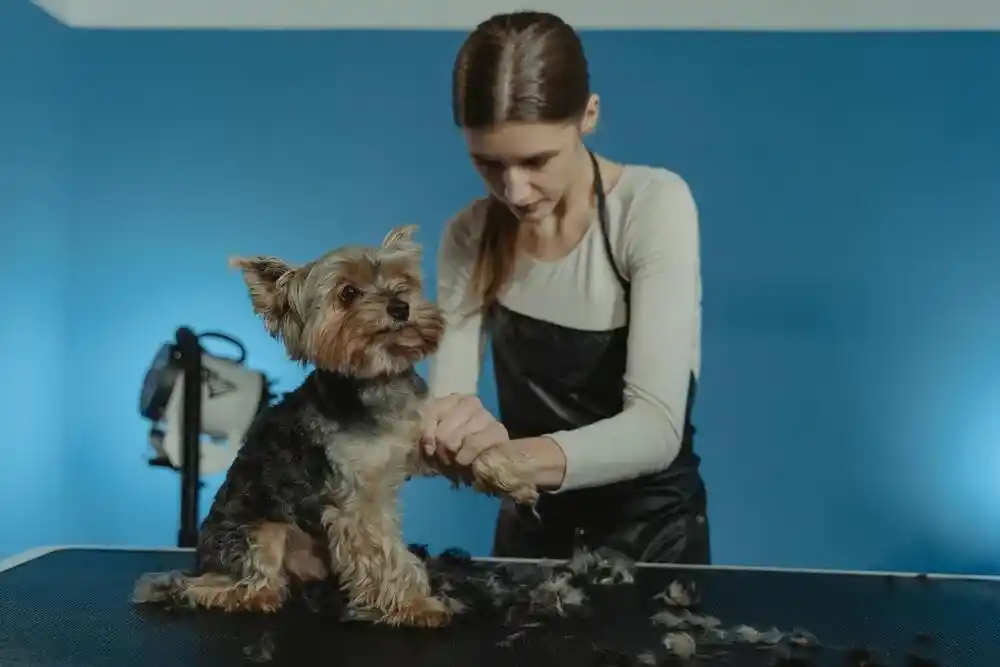
Grooming is the single most powerful tool owners have to manage shedding in the home. Below are step-by-step routines and recommended tools.
Tools every owner should have
Slicker brush: for removing tangles and loose hairs in medium/long coats.
Undercoat rake / de-shedding tool (e.g., Furminator-type, undercoat rake): for double-coated breeds to remove dead undercoat.
Bristle brush: for finishing and distributing natural oils.
Rubber curry brush / grooming glove: for short-haired breeds to collect loose hair while massaging skin.
High-quality dog shampoo & conditioner: pH-balanced for dogs (avoid human shampoos).
Brushing frequency by coat
Short-haired breeds (e.g., Beagle, Boxer, Pug): 2–3× per week with rubber brush; daily during seasonal shedding.
Double-coated breeds (e.g., Husky, German Shepherd): daily brushing during blow-out season; use undercoat rake 1–2× weekly.
Long-haired breeds (e.g., Afghan, Collie): daily slicker brushing to prevent mats and remove loose guard hairs.
Curly / low-shed (e.g., Poodle): weekly brushing and scheduled trims every 4–8 weeks
Bathing routines that actually help shedding
Bathing loosens dead hair, removes dander and can reduce the “hair snowstorm” inside your house. But too much bathing can strip natural oils and make shedding worse.
Best practices:
Bathe once every 4–8 weeks for most breeds, unless recommended more often by a vet.
Use lukewarm water and a dog-specific shampoo (pH-balanced).
For heavy shedders, try deshedding shampoos or conditioners that soften undercoat for easier removal.
Always brush thoroughly before and after bathing.
Tip: blow-drying with a high-velocity dryer (used by groomers) can blow out dead coat effectively — many owners of Huskies and German Shepherds swear by this during seasonal shedding.
Nutrition, supplements and holistic coat support
Diet is the foundation of coat quality. When owners complain their dog is shedding a lot, often the food bowl is part of the answer.
Protein quality
Dogs are carnivores at their core. Hair is over 90% protein (keratin), and insufficient or low-quality protein directly affects shedding.
Look for:
Animal proteins (chicken, turkey, beef, fish, lamb) high on ingredient list.
Avoid cheap fillers (corn gluten meal, by-products) as sole protein source.
Omega-3 fatty acids
EPA and DHA (from fish oil, krill oil, algae oil) reduce inflammation and support skin barrier. Multiple veterinary studies show improvement in coat gloss and reduced shedding with consistent supplementation.
Dosage: depends on weight — always ask vet, but general guidance is 20–40 mg/kg EPA+DHA daily.
Micronutrients
Zinc: deficiency causes parakeratosis and dull coat.
Vitamin E: antioxidant, protects skin cells.
Biotin (B7): supports keratin formation.
A high-quality complete diet should cover these, but in some cases supplementation may be recommended by vets.
Probiotics and gut health
A growing body of research suggests that gut microbiome health is linked to skin health. Some dogs with chronic shedding or allergies improve with canine-specific probiotics.
Stress and environment
Stress hormones can affect hair growth cycle. Moves, new pets, new baby, or long work hours leaving the dog alone can manifest as increased shedding.
Management strategies:
Predictable daily routine (walks, feeding, playtime).
Mental enrichment: puzzle feeders, snuffle mats, training games.
Adequate exercise tailored to breed.
Calming aids: pheromone diffusers, calming music, or in severe cases vet-prescribed medications.
Remember: a mentally balanced dog often has a healthier coat.
When shedding is NOT normal — red flags
While most shedding is normal, some signs should alert you to an underlying medical problem:
Bald patches with sharp borders.
Red, inflamed or scaly skin.
Constant scratching, licking or chewing.
Strong odor from skin.
Sudden increase in thirst/urination plus shedding (possible endocrine disease).
Loss of energy, weight gain or loss plus hair thinning.
If you see any of these, schedule a vet appointment promptly.

Practical home strategies to cope with shedding
Even with perfect diet and grooming, you’ll still have some hair to manage. Smart household routines can make it bearable.
Cleaning hacks
Use a vacuum designed for pet hair (HEPA filter recommended).
Lint rollers and sticky tape for clothes and furniture.
Rubber squeegee or dampened rubber gloves work wonders on upholstery.
Wash dog bedding weekly — high-heat cycle if possible.
Furniture & fabric choices
Choose washable slipcovers for couches.
Leather or tightly woven fabrics collect less hair than velvet or chenille.
Keep one “dog blanket” on the sofa or bed to limit spread.
Air quality
HEPA air purifiers reduce dander and airborne hair.
Regular HVAC filter changes (every 1–2 months in shedding season).
Breed spotlight — heavy vs light shedders
Some dogs simply shed more, no matter what. Knowing your breed’s natural tendencies prevents unrealistic expectations.
Heavy shedders: German Shepherds, Huskies, Malamutes, Labrador Retrievers, Golden Retrievers, Akitas.
Moderate shedders: Beagles, Corgis, Pugs, Boxers, Dalmatians.
Light/low shedders: Poodles, Bichon Frisé, Maltese, Shih Tzu, Portuguese Water Dog.
Note: “hypoallergenic” breeds don’t shed less hair per se; they shed hair differently and produce less dander, but no breed is 100% non-shedding.
Case examples
Case 1: German Shepherd in spring
Owner reports tumbleweeds of fur. Dog is otherwise healthy. Diagnosis: seasonal coat blow. Management: daily undercoat raking + high-velocity dryer bath. Results: manageable hair after 3 weeks.
Case 2: Labrador with dull coat
Owner feeds bargain kibble. Dog sheds constantly, fur feels coarse. Vet recommends switching to high-protein diet + fish oil. Results: within 2 months, coat shines, shedding reduces noticeably.
Case 3: Mixed-breed with bald spots
Owner notices circular patches with redness. Vet tests reveal ringworm. Antifungal treatment prescribed, hair regrows in 6–8 weeks.
Myth-busting common beliefs about shedding
“Bathing makes shedding worse.”
False — if done with correct products and frequency, bathing reduces loose hair.“Shaving a double coat solves shedding.”
Dangerous — shaving disrupts insulation and coat regrowth, can damage skin. Better to brush regularly.“Supplements work instantly.”
No — nutritional changes take weeks to months before noticeable improvement in coat.“Only unhealthy dogs shed a lot.”
Not true — even perfectly healthy double-coated breeds can fill a trash bag with fur during coat blow.
Long-term management strategy
Accept the baseline: every dog sheds.
Know your breed: set realistic expectations.
Establish routine grooming: consistent brushing, scheduled baths.
Feed quality diet + consider omega-3s: foundation of skin/coat health.
Stay on top of parasite prevention: monthly preventives are key.
Vet checks annually (minimum): catch endocrine, allergy or infection issues early.
Home cleaning system: combine vacuum, air filters, washable covers.
Conclusion
If your dog is shedding a lot, remember: some shedding is completely normal, some is seasonal, and some points to underlying health issues. The key is learning to distinguish between normal and excessive, and then applying consistent, evidence-based solutions. With good nutrition, smart grooming, parasite prevention and stress management, most owners can keep shedding under control — and their dog’s coat glossy and healthy.