Using a dog ramp can bring many benefits to your furry friend’s health and daily life. For senior dogs or pets with mobility challenges, jumping up or down from beds, couches, or cars can cause joint strain and discomfort. Repeatedly making these movements without assistance might worsen existing conditions and cause pain.
A dog ramp provides a safe and practical way to minimize stress on your dog’s joints. This accessory is especially helpful for breeds prone to hip dysplasia and other orthopedic issues. Besides prevention, ramps also support post-surgery recovery by allowing easier movement without overexertion.
Safety and comfort are other key advantages. Without a ramp, dogs risk slipping or falling while trying to access higher surfaces, which can lead to injuries and anxiety. Offering a ramp creates a more secure environment, making your home more pet-friendly — particularly for older dogs or those with physical limitations.
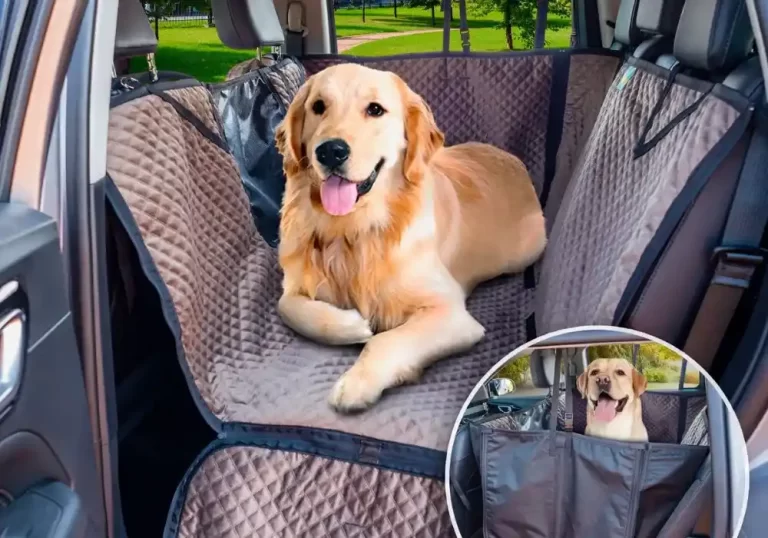
A dog ramp also makes everyday tasks easier, like getting in and out of vehicles, reaching furniture, or following you around the house. This convenience not only enhances your dog’s quality of life but also strengthens your bond by reducing stress and frustration.

Choosing the Right Dog Ramp: Types and Materials
There are various dog ramps available, each designed to suit different needs. Foldable ramps are popular for their portability and ease of storage, making them great for travel or small living spaces.
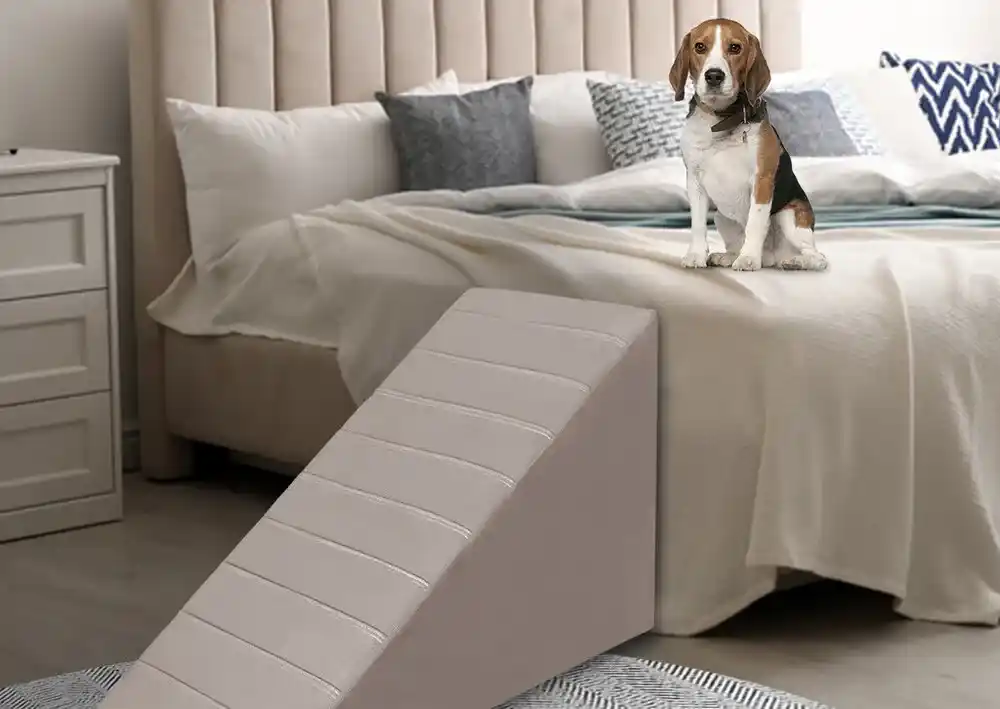
Fixed ramps tend to be sturdier and ideal for areas where the ramp will stay permanently, such as beside a favorite couch or bed. Telescoping ramps offer adjustable length, which helps maintain a comfortable incline regardless of where you place it.
When it comes to materials, ramps can be made from wood, plastic, or aluminum. Wooden ramps often look attractive and durable but can be heavy. Plastic ramps are lightweight and weather-resistant but may not support larger dogs. Aluminum ramps strike a balance by being both strong and portable, although they can be pricier.
An anti-slip surface is essential to prevent accidents, ensuring your dog feels secure while climbing up or down. Also, pay attention to the ramp’s angle — a gentler slope is easier for dogs with mobility issues.
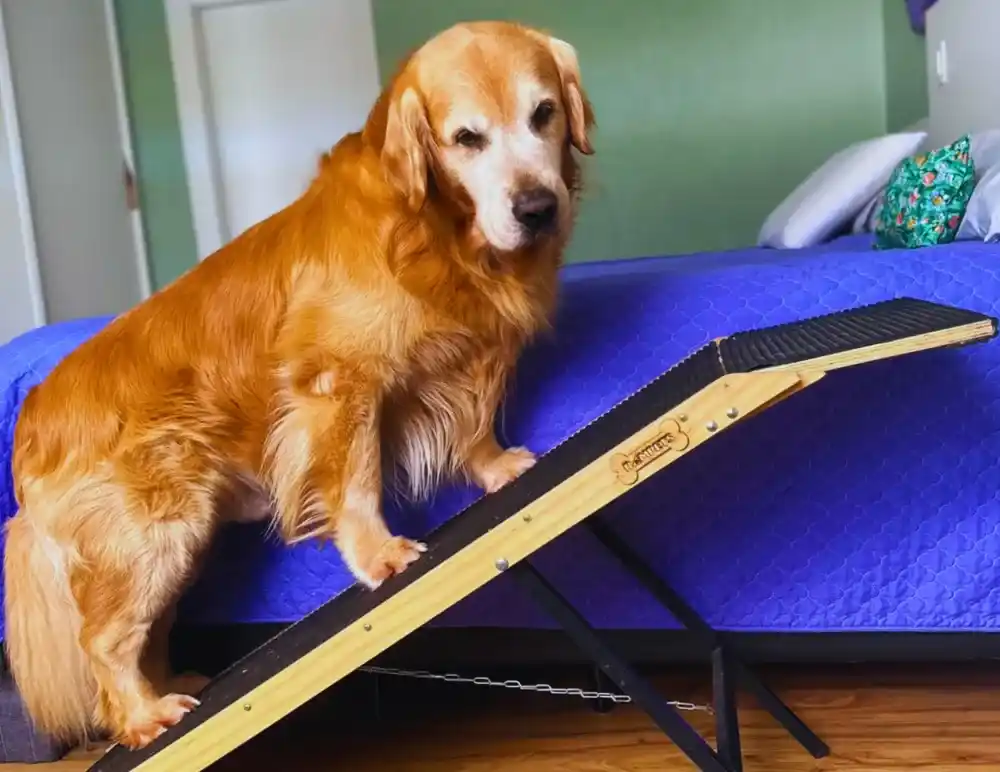
How to Help Your Dog Get Used to the Ramp
Training your dog to use the ramp properly is key to their safety and confidence. Start by placing the ramp in a familiar, quiet spot and letting your dog explore it at their own pace. Use treats or favorite toys to encourage them to walk onto the ramp.
Begin with a low incline and gradually increase it as your dog becomes more comfortable. Always use positive reinforcement with praise and rewards. If your dog seems hesitant, slow down and give them time to adjust.
Position the ramp near places your dog already likes to go, like the couch or bed, to help them associate the ramp with something positive. While younger dogs might learn faster, older dogs can adapt too with patience and consistency.
Ramp vs. Steps: What’s Best for Your Dog?
Some owners wonder whether ramps or steps are better for their dogs. Steps require dogs to lift their paws onto each level, which can be challenging for those with joint pain or overweight conditions.
Ramps offer a continuous, gentle incline that reduces strain, making them better suited for dogs with arthritis, hip problems, or limited mobility. Ultimately, the choice depends on your dog’s physical condition, preferences, and your living space.
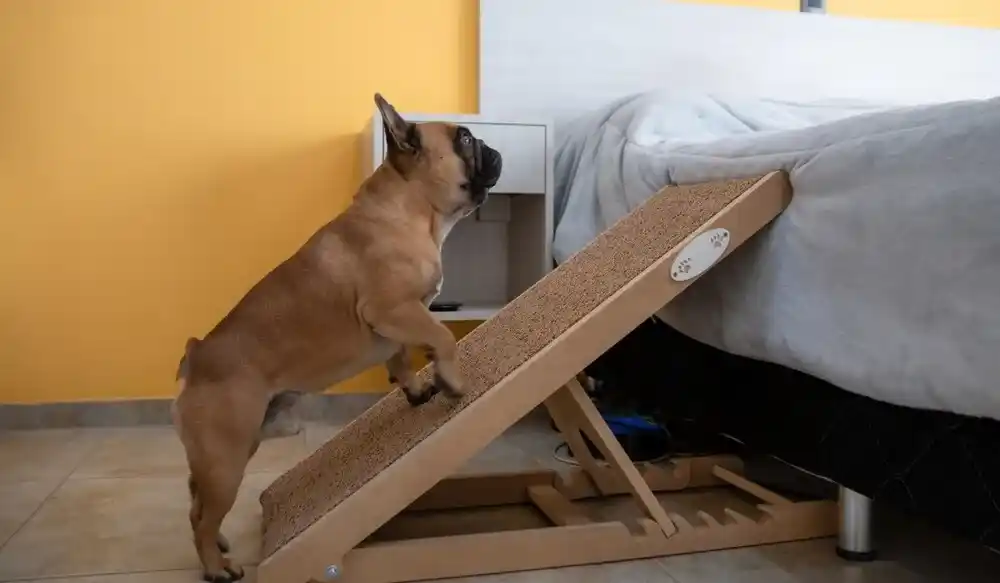
When to Start Using a Dog Ramp
Many wait until their dog shows mobility issues before introducing a ramp. However, it’s best to start early as a preventive measure. Puppies adapt quickly and easily, but adult and senior dogs also benefit from ramps once trained properly.
Dogs with chronic conditions like arthritis or hip dysplasia should start using a ramp as soon as possible to reduce pain and prevent further damage.
Maintaining Your Dog Ramp for Safety and Longevity
Keep your dog’s ramp clean and well-maintained to ensure ongoing safety. Wipe it down regularly with mild soap and water, avoiding harsh chemicals.
Inspect the ramp for damage like cracks or loose parts, especially if it’s foldable or adjustable. Store portable ramps in dry, cool places to avoid warping or deterioration.
Always place the ramp on stable, level ground. Adding non-slip strips to the base and surface can improve traction and prevent accidents.