
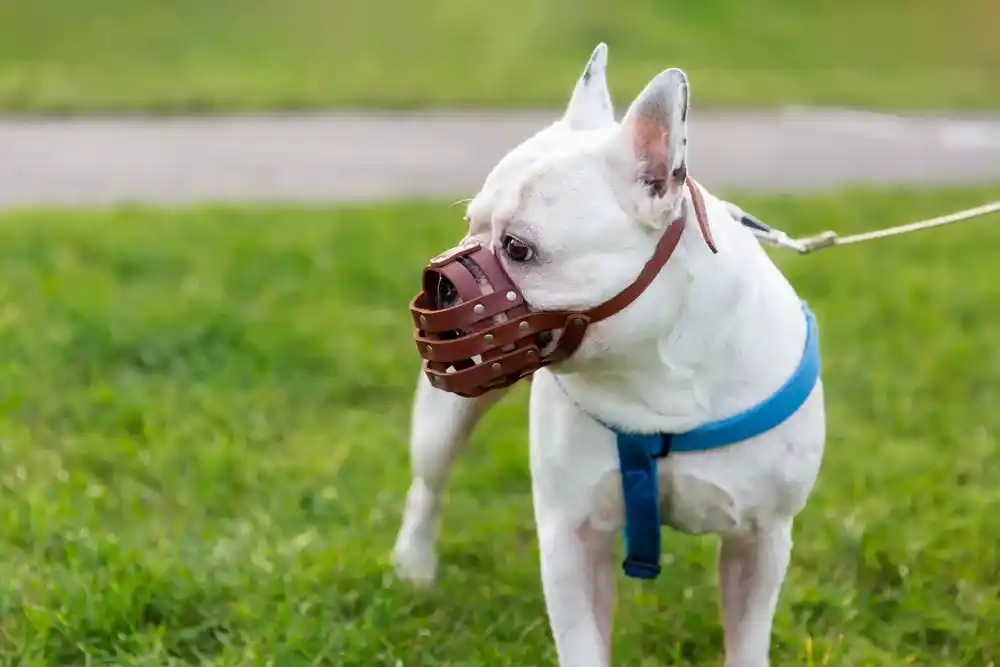
A dog muzzle serves as a safety tool that prevents biting, scavenging, and accidental ingestion in public spaces. Moreover, it offers protection during vet appointments or grooming sessions. Therefore, understanding its true function and choosing the right type matters. In the U.S., responsible pet owners rely on muzzles not as punishment, but as preventive safety gear.
Furthermore, in certain states or institutions, use of a dog muzzle may be required by law, especially for specific breeds or behavioral conditions. So, compliance with local regulations matters. Besides, when introduced gradually and positively, the dog muzzle helps dogs stay calm during walks or social interactions.
Also, early training with high-authority American trainers emphasizes positive reinforcement to build acceptance. That way, a dog muzzle loses stigma and becomes a symbol of care, not fear.
Dog muzzle — types and key characteristics
Basket muzzle: durable, breathable, and everyday-safe
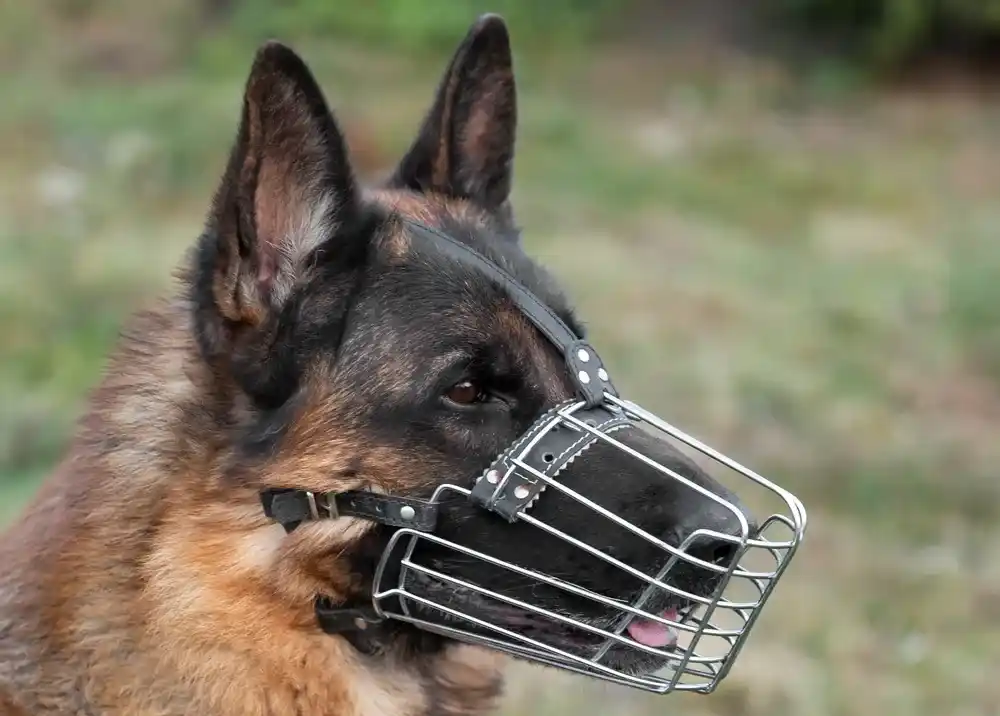
A basket muzzle offers structure that lets the dog pant, drink, and even take treats through it. These come in plastic, wire, or leather materials. They allow comfortable, safe use for longer periods and preserve natural dog behaviors.
Moreover, wire basket muzzles provide bite-proof protection and good air circulation. Still, avoid metal muzzles in extreme heat or cold, since they can become uncomfortable or dangerous.
Also, padded straps and correct sizing prevent chafing and discomfort even during longer outdoor walks or training sessions.
Soft muzzle: for brief, controlled situations only
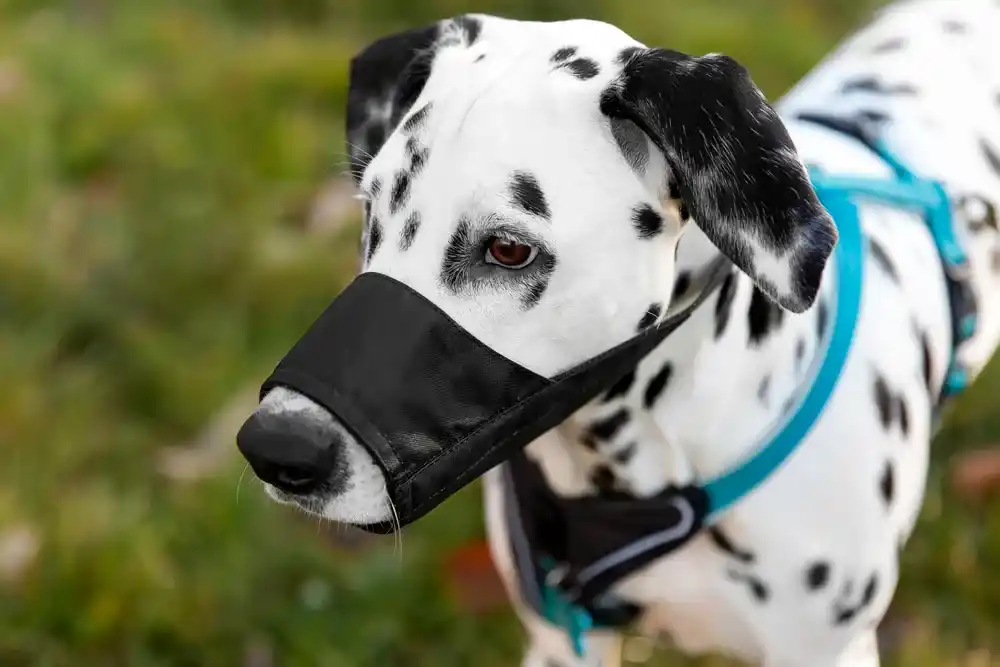
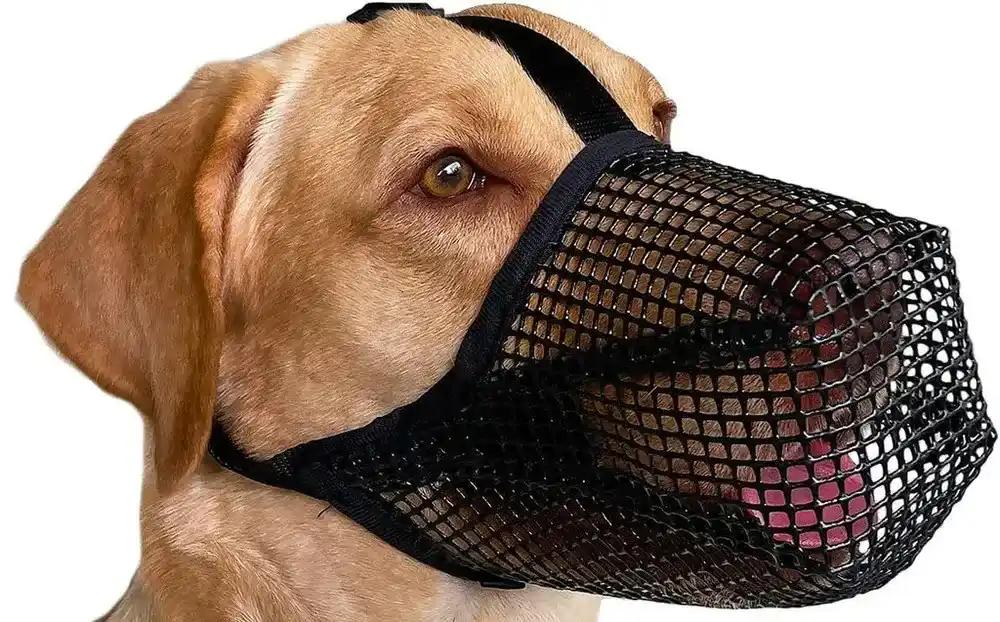
A soft muzzle, typically made of nylon or mesh, fully encloses the dog’s mouth and prevents it from opening. While convenient for quick vet checks or grooming, it severely restricts panting and drinking. Thus, soft muzzles are suited only for short-term use, under supervision, in cool or indoor settings.
Since these muzzles impede heat regulation, avoid using them in hot weather or during exercise. They should not replace proper training or behavior modification.
Specialized and breed-specific muzzles
Some breeds require unique solutions. For example, short-snouted or brachycephalic breeds like pugs or French bulldogs need mask-style muzzles that fit their facial structure without pressure. Sighthounds with long, narrow muzzles require models tailored to their shape.
American trainers stress choosing a muzzle based on the dog’s morphology, activity level, and environment. That ensures both safety and comfort.
Dog muzzle — when and why to use it
In cases of aggressive or reactive behavior
Use a dog muzzle when your dog exhibits bit-risk behaviors, reactivity, or anxiety in environments with people or other pets. A muzzle reduces risk and allows safe social interaction before physical training resolves the behavior.
Also, trainers in the U.S. often state that using a muzzle responsibly does not encourage aggression, but supports controlled exposure and behavior correction.
During veterinary visits and grooming
At the vet or groomer, stress or pain may trigger defensive reactions. A dog muzzle ensures the safety of both staff and pet by preventing accidental bites, while maintaining access for care procedures.
Besides, when dogs associate the muzzle with specific, short-term visits, they become more tolerant of it over time. That reduces trauma and facilitates repeated handling.
On walks to prevent scavenging or eating harmful items
Some dogs are compulsive eaters during walks, picking up trash, rocks, spoiled food, or even feces. A dog muzzle blocks this behavior and prevents dangerous ingestion.
That habit, often driven by anxiety or past food insecurity, can lead to serious health issues. The muzzle creates a physical boundary while the owner works on retraining and redirection.
Furthermore, it brings peace of mind. Instead of fighting with the dog every few steps, the owner can enjoy the walk with confidence and control.
Dog muzzle — how to choose the right model
Measuring your dog’s snout accurately
Before purchasing, you need to measure your dog’s snout: the circumference, length, and height of the muzzle area. These dimensions ensure that the dog muzzle fits correctly—neither too tight nor too loose.
A properly fitted muzzle allows your dog to pant, drink water, and accept treats, while still preventing bites. If it’s too tight, it can cause pain or breathing difficulty. If it’s too loose, the dog might remove it easily.
For brachycephalic dogs, like French Bulldogs or Pugs, measurements need extra care. These breeds already have compromised airflow, so the muzzle must never obstruct breathing further. Long-snouted dogs like Greyhounds need narrow, elongated designs to ensure secure fitting.
Selecting the right material for your dog
Choosing the best dog muzzle material depends on your dog’s size, behavior, and environment. For long walks, public outings, or training sessions, basket muzzles made of plastic or wire are preferred because they allow for ventilation and natural behaviors.
If your dog is just starting muzzle training or only needs it for very short visits to the vet, a soft nylon muzzle may work. However, these should never be used outdoors or for exercise.
Also, always consider climate. In hot weather, ventilated plastic is more comfortable than thick fabric or leather. In cold temperatures, metal muzzles can become dangerously cold, so rubber-coated or padded models are better options.
Considering your dog’s personality and past experiences
Your dog’s temperament plays a major role in choosing the right muzzle. Confident dogs with high energy levels may need a sturdier, more escape-proof model. Nervous or fearful dogs might respond better to softer or more padded versions during early training.
If your dog has had bad experiences with a muzzle in the past, you’ll need to reintroduce it slowly and carefully. Choose a comfortable model, and use treats and praise to rebuild a positive association.
Some dogs might benefit from a professional trainer’s help during the selection and fitting process. In the U.S., many trainers offer “muzzle conditioning” programs to ensure the experience is positive and the dog feels safe.
Dog muzzle — how to train and adapt your dog
Start slow and reward consistently
Introducing a dog muzzle to your pet must be a slow, positive process. Start at home, in a quiet and safe environment. First, let your dog smell and examine the muzzle. Offer treats and encouragement without even putting it on.
Next, place treats inside the muzzle and encourage your dog to place their snout inside voluntarily. Do not strap it yet—just reward them for interacting calmly. This step may take several sessions, but consistency is key.
Gradually, increase the duration with the muzzle lightly strapped. During these sessions, engage your dog in fun activities or give high-value treats. That way, the dog associates the muzzle with enjoyment rather than restraint.
Keep training sessions short and supervised
At first, keep muzzle sessions under five minutes. Always stay nearby to monitor your dog. If they try to remove the muzzle or show distress, stop and take a step back in training.
Never leave your dog muzzled alone. Even the best-fitting dog muzzle can pose risks if the dog gets it stuck, rubs against furniture, or becomes frustrated.
Eventually, as your dog accepts the muzzle for longer periods, start using it on walks or during controlled interactions. The more exposure they get to positive experiences with the muzzle, the more natural it becomes.
Never use the muzzle as punishment
The dog muzzle must never be used as a disciplinary tool. If the dog associates it with punishment or stress, the process becomes traumatic and counterproductive.
Avoid forcing it onto the dog’s face or using it to stop barking at home. Muzzles are for safety, not for behavior suppression. Instead, they should support a broader training plan focused on behavior improvement, using reinforcement and redirection.
Always observe your dog’s body language. If they show extreme stress or panic, pause the session, reassess the fit, or try a more gradual method.
Legal considerations for dog muzzle use in the U.S.
State and local laws about muzzles
In the United States, laws about muzzles vary by state and even by city. Some jurisdictions require a dog muzzle in public spaces for certain breeds classified as “dangerous” or “potentially aggressive.”
For example, dogs like Pit Bulls, Rottweilers, or Dobermans may be required to wear a muzzle in public or when using public transportation in certain cities. Dog owners should always check local ordinances to ensure compliance.
Even when not legally required, using a muzzle voluntarily can demonstrate that you are a responsible pet owner. It also helps avoid fines, public complaints, or potential legal actions in the event of an incident.
Owner liability and safety responsibility
In the U.S., pet owners are legally responsible for any injuries their dog causes. If your dog bites someone or another animal and you weren’t using reasonable safety measures, you could face serious consequences.
By using a dog muzzle appropriately, you show that you are actively preventing risks. This can play a crucial role in reducing legal liability and protecting your dog from being labeled as dangerous.
Furthermore, in some insurance policies and housing arrangements (such as apartments or condos), muzzle use may be required to meet pet policy standards.
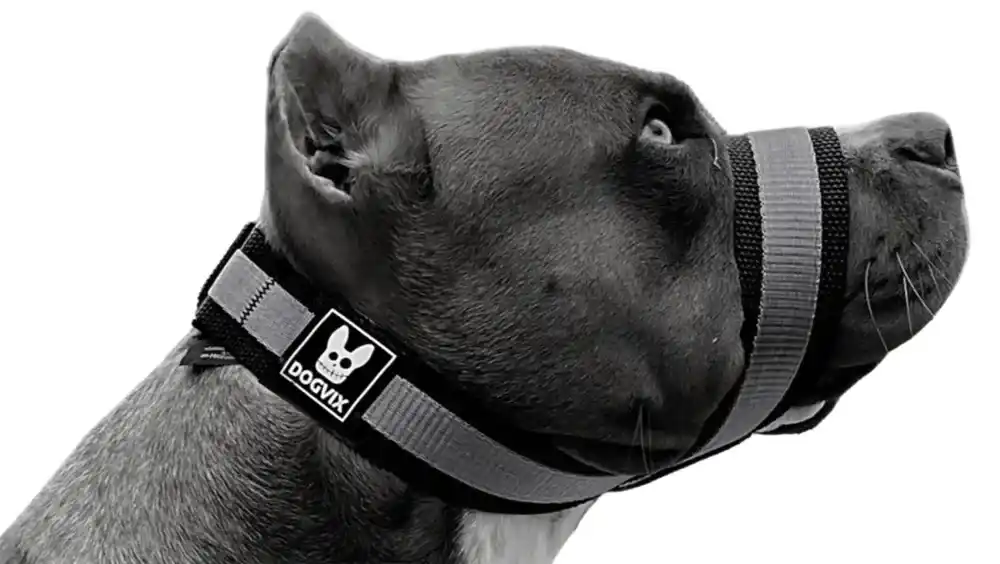
Benefits of using a dog muzzle
Prevents accidents and dangerous behavior
One of the primary benefits of a dog muzzle is accident prevention. Whether it’s biting during stressful situations, snapping at strangers, or eating garbage from the street, a muzzle provides physical security and peace of mind.
While no tool is perfect, the muzzle adds an extra layer of protection in unpredictable scenarios. It’s especially useful when your dog is in new environments or around unfamiliar people or animals.
Owners who muzzle train their dogs often find they can participate in more activities without fear or stress.
Enhances behavioral training and control
When used properly, a dog muzzle supports training and behavior correction. For reactive dogs, it helps prevent escalation while the owner redirects attention and rewards calm behavior.
Rather than relying on the muzzle to “fix” a problem, responsible trainers use it as a stepping stone. It allows the dog to engage with real-world scenarios safely while learning better responses.
With consistent training, the muzzle becomes a neutral object that enables rather than restricts. Dogs learn to wear it with confidence, not fear.
Encourages social inclusion for the dog
Dogs wearing a properly fitted dog muzzle can safely participate in public outings, vet visits, training classes, and even family events. In fact, many public places now encourage or require muzzles in crowded environments.
This allows dogs with histories of trauma, fear, or overstimulation to be gradually reintroduced to society without endangering themselves or others.
By normalizing the use of muzzles, we shift the conversation from fear to responsibility. In many American communities, a muzzled dog is seen as well-managed, not aggressive.
Final thoughts on responsible dog muzzle use
A dog muzzle is more than just a safety accessory—it’s a tool of care, training, and inclusion. When introduced thoughtfully and used correctly, it protects not just the people and pets around your dog, but also your dog’s future.
Choosing the right model, ensuring a proper fit, and taking the time to condition your dog gently are essential parts of successful muzzle use. Done right, it becomes a natural part of your routine and a symbol of trust between you and your pet.
In the U.S., muzzle use is becoming increasingly recognized as a responsible step, not a last resort. So don’t hesitate. Equip your dog, train with patience, and enjoy life together—safely and confidently.