

Choosing the right dog food can feel overwhelming, especially with so many options available in the market. Yet, feeding your dog properly is one of the most important responsibilities you have as a pet parent. A healthy diet ensures your dog lives a longer, more energetic, and disease-free life. So, let’s dive deep into everything you need to know about dog food, including types, nutritional needs, feeding schedules, and much more.
Dog Food Types: Which One Is Right for Your Pet?
To begin with, not all dog food is created equal. Each type serves a different purpose depending on your dog’s age, activity level, health condition, and preferences. Here’s a breakdown of the most common options:
1. Dry Dog Food (Kibble)
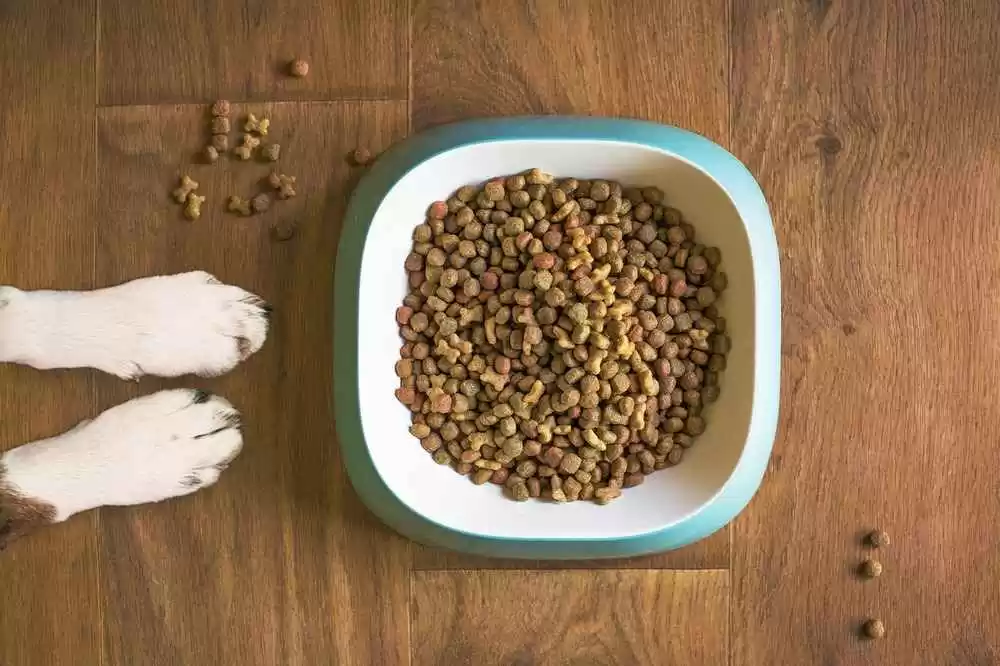
This is the most popular choice among dog owners in the United States. It’s affordable, easy to store, and convenient for daily feeding. Moreover, dry kibble helps maintain dental health by reducing plaque buildup.
2. Wet Dog Food (Canned)
While more expensive, wet food has a high moisture content, making it ideal for dogs who don’t drink enough water. It’s also more appealing in taste and texture for picky eaters.
3. Raw Dog Food
Some owners prefer raw food diets, believing they are more natural. These meals typically consist of raw meat, bones, and vegetables. However, raw diets require careful planning and consultation with a veterinarian to ensure safety and nutritional balance.
4. Homemade Dog Food
If you love cooking, preparing dog food at home allows you to control every ingredient. Still, it demands time and research to avoid nutritional deficiencies.
Understanding Your Dog’s Nutritional Needs
Every dog has unique dietary requirements. However, there are essential nutrients that every dog needs regardless of breed or size:
Proteins: Vital for muscle growth and repair
Fats: Important for energy and skin health
Carbohydrates: Provide quick energy and aid digestion
Vitamins and Minerals: Crucial for immunity, bone health, and organ function
Water: Often overlooked, but absolutely essential
Without a proper balance of these nutrients in your dog’s food, your pet can develop various health problems such as obesity, allergies, or poor coat quality.
How to Read Dog Food Labels
One of the smartest things you can do is learn how to read a dog food label. It’s not enough to trust the packaging or the brand. Here’s what to look for:
Ingredients listed in descending order by weight
A clear source of protein, like chicken or beef, at the top of the list
Avoidance of vague terms like “meat by-products”
AAFCO statement: Indicates the food meets minimum nutritional standards in the U.S.
Understanding the label ensures you’re feeding your dog food that supports their health instead of harming it.

Feeding Schedules: When and How Much?
Now that you know what to feed, the next question is how often and how much. The answer depends on your dog’s size, breed, age, and energy level. However, here are general guidelines:
Puppies: 3 to 4 meals per day
Adult dogs: 2 meals per day
Senior dogs: 1 or 2 meals per day, depending on activity level
Using a measuring cup is highly recommended to prevent overfeeding, which is a common issue in American households. Even high-quality dog food can lead to weight gain if not portioned correctly.
Dog Food and Allergies
Food allergies in dogs are more common than you might think. Symptoms may include itchy skin, frequent ear infections, diarrhea, or vomiting. If you suspect a food allergy, switching to a limited-ingredient dog food or trying an elimination diet under veterinary supervision might help.
Common allergens in dog food include:
Beef
Dairy
Chicken
Wheat
Soy
Corn
Choosing hypoallergenic options or grain-free formulas can make a huge difference for sensitive dogs.
Transitioning to a New Dog Food
If you’re planning to switch your dog’s food, don’t do it suddenly. A gradual transition over 7–10 days helps prevent digestive issues. Start by mixing 25% of the new food with 75% of the old, and increase the new food amount slowly each day.
Special Diets: Is Your Dog Unique?
Some dogs require specific diets due to health issues such as kidney disease, diabetes, or obesity. There are dog food formulas tailored to these conditions. Always talk to a vet before starting any special diet.
In addition, active breeds like Huskies or Border Collies may need high-protein or performance-focused dog food, while toy breeds benefit from small kibble sizes and calorie-dense formulas.

Dog Food Safety and Storage Tips
Proper storage can extend the shelf life and preserve the quality of your dog food. Follow these tips:
Keep dry food in a sealed container in a cool, dry place
Use wet food within a day or two of opening
Always check expiration dates
Avoid buying extremely large bags if your dog eats slowly
Spoiled food can lead to digestive problems and even poisoning, so never ignore signs of mold, strange odors, or insects.
Final Thoughts on Dog Food
In summary, dog food plays a crucial role in your pet’s overall well-being. It’s not just about filling their bowl—it’s about nourishing their body and mind. By understanding different types of dog food, recognizing your dog’s unique needs, and being mindful of ingredients and portions, you’ll ensure a healthier, longer life for your furry companion.
So, whether you’re feeding a playful puppy or caring for a wise senior dog, making smart choices about dog food is one of the best ways to show your love.