Dog diarrhea can happen for many reasons, ranging from a sudden change in diet to serious illnesses like pancreatitis or viral infections. While some cases are mild and go away on their own, others can be dangerous and require immediate veterinary care. Knowing how to recognize the signs and respond quickly is key to keeping your pet safe and healthy.
Common Causes of Dog Diarrhea
There are several reasons why a dog might develop diarrhea. Understanding the root of the problem helps you treat it more effectively. The most common causes include:
Dietary changes: Switching dog food too quickly or feeding inappropriate human foods.
Infections: Bacterial, viral, or parasitic infections affecting the intestines.
Organ issues: Diseases affecting the liver, kidneys, or pancreas.
Stress: Moving homes, new pets in the house, or loud noises.
Food intolerances: Reactions to specific ingredients in commercial diets.
Signs That Help Identify the Cause
Observing your dog’s stool gives important clues about what’s going on inside. These are some patterns to watch for:
Watery, persistent diarrhea: Could mean poor nutrient absorption or a food intolerance.
Bloody diarrhea: May indicate a severe infection or internal bleeding.
Mucus in the stool: Often points to inflammation or food allergies.
Alternating normal and loose stools: Suggests sensitivity or gut microbiome imbalance.
Visible undigested food: Could be due to digestive enzyme problems or malabsorption.
Accompanied by vomiting, lethargy, or fever: Likely signals infection or poisoning.
These signs can help you assess how serious the situation is—and whether you can manage it at home or should go straight to the vet.
Dog Diarrhea Can Be Risky: Here’s Why
Many pet owners underestimate how dangerous diarrhea can be. It’s more than just an inconvenience—it can turn life-threatening if left untreated. Some major risks include:
Severe dehydration
Electrolyte imbalance
Weight loss and malnutrition
Complications from untreated infections
Diagnosing the Problem
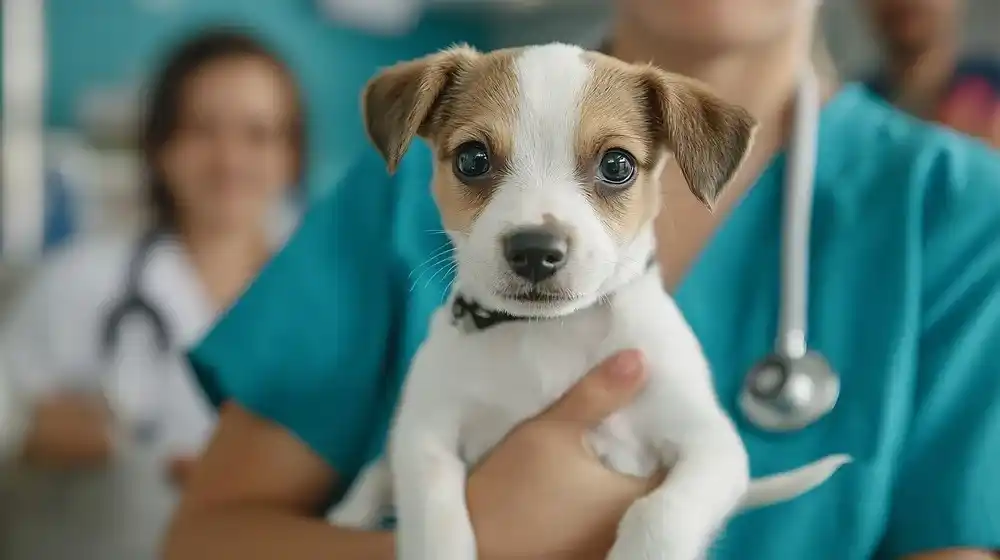
When the issue doesn’t resolve quickly, your veterinarian will likely run a few tests to get to the root of it. These might include:
Fecal exam to check for parasites or blood
Bloodwork to detect inflammation or organ dysfunction
Virus screening, especially for puppies or unvaccinated dogs
Abdominal ultrasound, if a blockage or organ issue is suspected
How to Prevent Dog Diarrhea
While not every case can be avoided, most can with consistent care and attention. Preventative tips include:
Avoid sudden diet changes—transition slowly over 7–10 days.
Feed a high-quality, age-appropriate dog food.
Keep vaccinations and deworming up to date.
Make sure your dog doesn’t eat trash, toxic plants, or spoiled food.
Provide fresh, clean drinking water at all times.
Schedule regular wellness visits with your vet.
Dog Diarrhea: What to Give and How to Help at Home
When your dog starts having loose or watery stools, it’s natural to worry. Fortunately, if the case is mild and your dog is otherwise acting normal, there are steps you can take to help them recover safely at home.
Let’s go over the safest home remedies, treatment strategies, and when to step back and let the professionals take over.
What to Give a Dog With Diarrhea at Home
Here’s a breakdown of safe home care when your dog has a mild case of diarrhea.
1. Short-Term Fasting (With Caution)
For healthy adult dogs, withholding food for 12 to 24 hours may help rest the digestive system. During this time, make sure your dog stays hydrated.
⚠️ Important: Do not fast puppies, small breeds, seniors, or dogs with health conditions without professional advice. They’re at risk of hypoglycemia and dehydration.
2. Keep Your Dog Hydrated
Diarrhea leads to fluid and electrolyte loss. Make sure your dog always has access to:
Fresh, cool water
Small amounts of plain coconut water (unsweetened)
Herbal teas like chamomile or fennel (cooled, unsweetened)
Homemade electrolyte solution, only if recommended by your vet
Use a clean syringe (without a needle) to gently give fluids if your dog refuses to drink.
3. Offer a Bland Diet
Once the fasting period ends—or if fasting isn’t an option—introduce bland, easily digestible foods. Some vet-approved options include:
Shredded boiled chicken (no skin, no seasoning)
White rice, well-cooked
Mashed pumpkin or plain boiled sweet potato
Mashed banana (good potassium source)
Boiled potatoes without skin
Avoid giving dairy, raw meat, bones, table scraps, or high-fat foods during recovery.
Feed small portions throughout the day for the next 2–3 days. As the stool improves, slowly reintroduce your regular dog food over 5–7 days.
When Dog Diarrhea Is More Serious
If the diarrhea continues beyond 48 hours or your dog shows signs of illness, seek veterinary care. Possible tests and treatments may include:
Stool analysis to check for parasites or infections
Blood tests to assess kidney, liver, and inflammatory markers
Viral testing, especially in puppies or shelter dogs
IV fluids, antibiotics, or antiparasitic medications
Probiotics and gut-soothing supplements
Specialized diets for digestive recovery
Specific Cases That Require Immediate Action
Bloody Diarrhea
This is always a red flag. It may result from viral infections, parasites (like hookworms or giardia), or internal bleeding. If untreated, it can lead to shock or death.
Diarrhea With Mucus
Often linked to colitis or food allergies. It can occur after introducing a new treat, switching foods too fast, or exposure to a new environment.
Undigested Food in Stool
This may signal malabsorption, exocrine pancreatic insufficiency, or chronic intestinal disease. A vet must assess this thoroughly.
Diarrhea Alternating With Normal Stools
A common sign of dietary sensitivity or gut flora imbalance—sometimes caused by recent antibiotics. Probiotics and minor diet adjustments usually resolve it.
Dog Diarrhea Caused by Stress
Stress can wreak havoc on a dog’s digestion. Loud noises, changes in the home, travel, or even your absence may trigger gut upset. When stress is the cause:
Maintain a calm, predictable environment.
Stick to a regular feeding and walking schedule.
Use synthetic calming pheromones if advised.
Add probiotics to support the gut.
Consider natural calming remedies or supplements (only with vet guidance).
Once the stress is reduced, the digestive symptoms usually improve quickly.
How to Prevent Future Episodes
After your dog recovers, you can take steps to avoid repeat incidents. Prevention is easier than dealing with frequent relapses. Here’s what to do:
Introduce new foods gradually (over 7–10 days).
Keep deworming and vaccinations current.
Supervise your dog during walks, avoiding trash, unknown food, or animal feces.
Avoid feeding human foods, especially fatty, salty, or sugary items.
Ensure access to fresh water all day.
Schedule yearly checkups, or more often if your dog has chronic issues.
These habits can drastically reduce the chances of digestive problems in the future.
When to Seek Emergency Help
While many cases of dog diarrhea can be handled at home, some situations demand urgent care. Watch out for:
Blood in the stool
Repeated vomiting
High fever or extreme fatigue
Signs of severe pain
Diarrhea in puppies, small breeds, or elderly dogs
Black or tar-like stools (indicating digested blood)
In these situations, don’t wait. The sooner you act, the better the outcome.
Conclusion
Knowing how to treat dog diarrhea at home is essential, but understanding the causes and when to get help matters even more. By staying alert, providing the right care, and keeping up with preventive measures, you can protect your dog’s health and avoid complications.
Remember, diarrhea is a symptom, not a diagnosis. Always observe your dog’s behavior and trust your instincts. When in doubt, call your vet. A quick response can make all the difference.