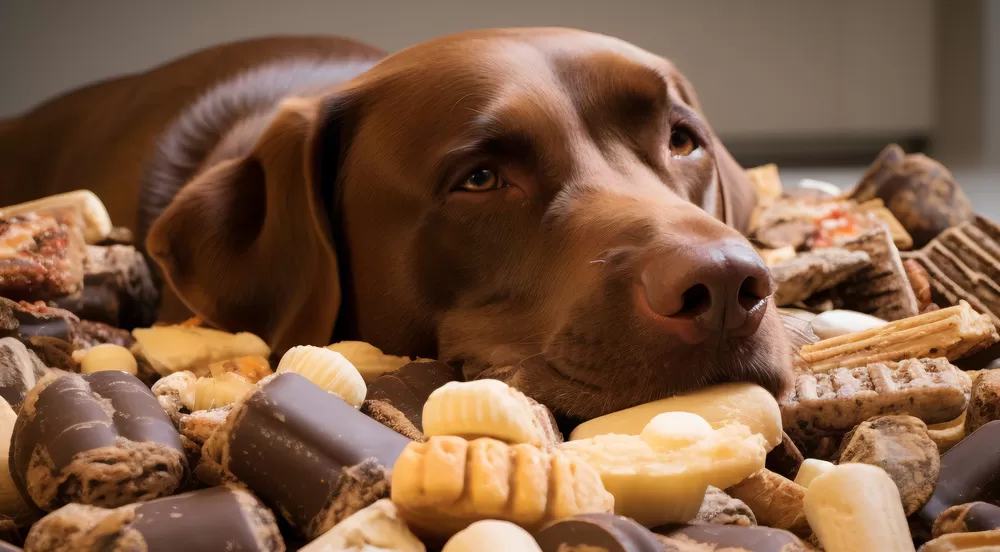
Have you ever thought about giving your dog just a tiny piece of chocolate as a treat? Many pet parents feel tempted, especially when their furry friend begs with those big, pleading eyes. But what seems like a harmless gesture can actually put your dog’s health at serious risk.
In this guide, you’ll learn exactly why chocolate is dangerous for dogs, what signs to watch for if they eat it by accident, and what to do if it happens. Plus, you’ll discover safe, tasty alternatives to keep your pup happy without putting them in harm’s way.
Why Is Chocolate Dangerous for Dogs?
Chocolate contains two main ingredients that are toxic for dogs: theobromine and caffeine. These stimulants affect a dog’s nervous system and heart, which can lead to serious health issues.
It’s important to know that different types of chocolate contain different levels of these substances. Dark chocolate and baking chocolate have higher theobromine content than milk chocolate, so they’re even more dangerous. But even a small amount of chocolate can cause trouble, especially for small dogs.

Signs Your Dog Might Have Eaten Chocolate
If your dog manages to sneak some chocolate — no matter how small the piece — watch them closely for symptoms. Signs of chocolate poisoning usually appear within 6 to 12 hours after ingestion and may include:
Vomiting: The body’s way of trying to expel the toxin.
Diarrhea: A reaction to irritation in the gut.
Restlessness and hyperactivity: Caused by the stimulant effects of theobromine and caffeine.
Muscle tremors: Indicating nervous system involvement.
Increased heart rate: Which can lead to dangerous arrhythmias.
Excessive thirst and urination: Common signs of chocolate toxicity.
Seizures: In severe cases.
If your dog shows any of these symptoms after eating chocolate, don’t wait — call your vet immediately.
What Should You Do If Your Dog Eats Chocolate?
If you think your dog has eaten chocolate, stay calm but act fast. Do not try to treat them at home without veterinary guidance.
If possible, write down the type of chocolate, how much they ate, and when they ate it. This information helps your vet decide how serious the situation is and what treatment is best.
Treatment may include:
Inducing vomiting (if your vet recommends it and the ingestion was recent)
Gastric lavage (stomach pumping) if vomiting doesn’t work
Giving activated charcoal to limit toxin absorption
Monitoring heart rate and blood pressure
Medications to control seizures or irregular heartbeats if needed
There’s no direct antidote for theobromine, so treatment focuses on managing symptoms until the toxin leaves your dog’s system.

Safe Chocolate Alternatives for Dogs
The good news is you don’t have to deny your dog treats altogether. There are special “dog chocolates” made just for them. These pet-safe treats don’t contain theobromine or caffeine and are formulated with dog-friendly ingredients.
You can also treat your pup to fresh fruits that are safe for dogs, like bananas, seedless apples, strawberries, and watermelon. Just remember to offer these in moderation and check with your vet if you’re unsure.
Why Do People Still Give Dogs Chocolate?
Many dog owners share food as a sign of love, but they may not realize how dangerous chocolate can be. Even a small piece can be risky depending on your dog’s size, age, and sensitivity. Theobromine stays in a dog’s body longer than it does in humans, which makes chocolate poisoning especially serious.
To keep your pup safe, always store chocolate and cocoa products out of reach — especially during holidays like Easter, Christmas, and Halloween when sweet treats are everywhere.
How to Keep Your Dog’s Diet Safe and Balanced
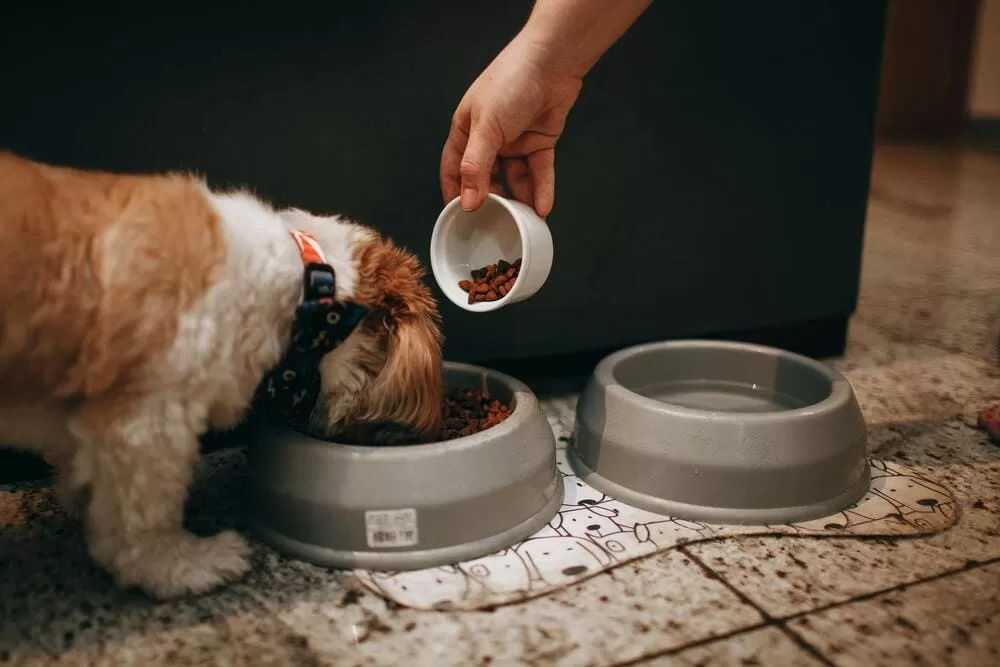
The best way to keep your dog healthy is to stick to a balanced diet designed for their nutritional needs. High-quality dog food and approved treats are always safer than sharing human snacks.
If you’re unsure about which foods are safe, talk to your vet. They can help you build a meal plan that’s tasty and healthy — and free of dangerous ingredients like chocolate.
Final Thoughts: Love Means Keeping Chocolate Away
It’s only natural to want to share your favorite treats with your best friend, but when it comes to chocolate, the kindest thing you can do is say no.
Choosing safe alternatives, staying informed, and keeping chocolate out of reach are the best ways to protect your dog’s health. Now that you know why chocolate is off-limits, share this information with other pet owners. Together, we can help our furry friends live longer, healthier lives — no chocolate required.