
The Boxer is one of the most iconic dog breeds, instantly recognizable for its muscular frame, square muzzle, and boundless energy. This breed originated in Germany in the late 19th century, where it was developed from the now-extinct Bullenbeisser, a mastiff-type hunting dog, and crossed with Bulldogs to refine its appearance and temperament. Originally bred for hunting large game such as boar and deer, the Boxer quickly transitioned into a versatile working companion.
Over time, the breed gained popularity for tasks beyond hunting. Boxers served as guard dogs, messenger dogs during wartime, and loyal companions at home. Their intelligence, courage, and strong attachment to their families made them suitable for a variety of roles. By the mid-20th century, Boxers became one of the most beloved breeds in households, admired for their balance of strength, playfulness, and affectionate nature.
Today, the Boxer continues to shine as a family pet, service dog, and working partner. Their adaptability, combined with their cheerful personality, keeps them among the most popular breeds worldwide.
Physical Characteristics of the Boxer
The Boxer dog has a striking appearance that reflects both athleticism and elegance. Their build is medium to large, with males typically weighing between 65 and 80 pounds and females averaging 50 to 65 pounds. Standing between 21 and 25 inches at the shoulder, they present a perfect balance of power and agility.
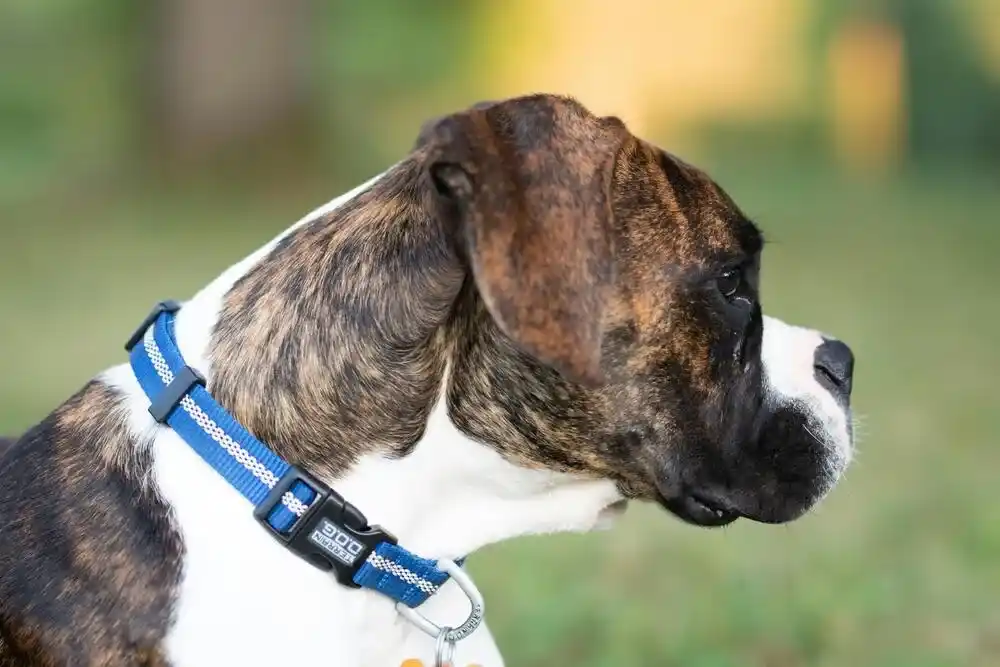
One of the most distinguishing features is their head. The broad, square muzzle with a strong underbite gives them a unique expression often described as both serious and playful. Their dark, soulful eyes reflect intelligence and curiosity, while their ears, when natural, are floppy and expressive. Some owners choose to crop ears or dock tails, though this practice has declined in many areas in favor of natural looks.
Their short coat is sleek, shiny, and easy to maintain. Common colors include fawn (ranging from light tan to deep mahogany), brindle (dark stripes over a lighter base), and white. Some Boxers have distinctive white markings on the chest, paws, or face, adding to their charm.

Temperament and Personality of the Boxer Dog
When it comes to personality, the Boxer is best described as a “forever puppy.” Even as adults, they maintain a playful, mischievous energy that keeps their families entertained. They thrive on human interaction and form deep bonds with their owners, often following them from room to room.
Boxers are known for their protective instincts. Without being naturally aggressive, they are alert and courageous, making them excellent watchdogs. Their loyalty to family members means they will not hesitate to protect loved ones if a threat arises.
Despite their boldness, Boxers are gentle with children. Their patience and playful spirit make them wonderful companions for families with kids. However, because of their size and strength, supervision is recommended with very small children to avoid accidental knocks during play.
Social by nature, Boxers often get along well with other dogs, especially when properly socialized from a young age. Their enthusiasm, however, can sometimes be overwhelming for more reserved breeds, so controlled introductions are important.
Exercise Needs and Energy Levels
One of the defining traits of the Boxer dog is its high energy. These dogs require significant daily exercise to stay balanced and happy. Without enough physical activity, they may become restless or even destructive. A typical Boxer thrives with at least an hour of vigorous exercise each day, which can include long walks, runs, agility training, or fetch games.
Because of their athleticism, Boxers excel in canine sports such as agility, obedience, and rally. They also love interactive play that stimulates their minds. Puzzle toys, scent games, and structured training sessions help keep their intelligence engaged.
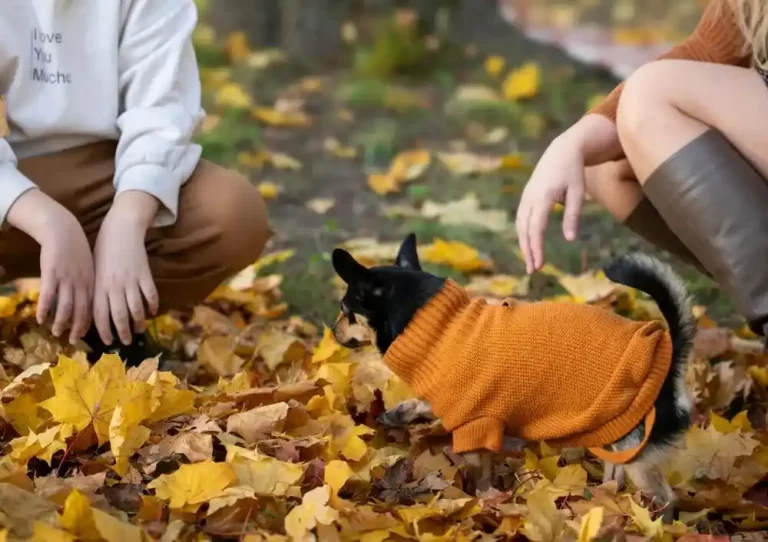
Owners should note that Boxers are sensitive to extreme temperatures. Their short muzzle makes them prone to overheating in hot weather, so exercise should be carefully monitored during summer months. In colder climates, they may need a jacket to stay warm due to their short coat.

Training a Boxer Dog
Boxers are intelligent and eager to please, but their playful stubbornness can sometimes pose challenges during training. Positive reinforcement methods work best, including treats, praise, and play as rewards. Harsh training techniques can backfire, as Boxers respond poorly to negative pressure.
Early socialization is crucial. Introducing Boxers to different people, dogs, and environments from a young age helps prevent excessive protectiveness or nervousness. Consistency in rules and commands also ensures they understand boundaries.
Because Boxers are natural problem solvers, they thrive when given structured tasks. Teaching them basic obedience, advanced tricks, or agility challenges not only strengthens their bond with owners but also prevents boredom.
Health Considerations for the Boxer Breed
While the Boxer is a generally robust breed, they are predisposed to certain health conditions. Responsible breeders focus on screening for these issues, but owners should remain aware of common concerns:
Cardiomyopathy – A heart condition affecting muscle function. Regular vet checkups help detect early signs.
Hip Dysplasia – A joint condition that can lead to arthritis. Maintaining a healthy weight reduces risks.
Cancer – Boxers are unfortunately more prone to certain cancers, including mast cell tumors and lymphoma.
Brachycephalic Syndrome – Due to their short muzzle, Boxers may experience breathing difficulties in hot or humid weather.
Allergies and Skin Issues – Some Boxers are prone to skin sensitivities requiring special care.
On average, Boxers live between 10 and 12 years. With proper care, balanced nutrition, and regular veterinary attention, many enjoy long, active lives.
Grooming and Care Requirements
The sleek coat of the Boxer dog is one of the easiest to maintain among breeds. Weekly brushing with a rubber grooming mitt or bristle brush removes loose hair and keeps the coat shiny. Because Boxers are relatively clean dogs, they do not require frequent baths unless they get particularly dirty.
Routine care includes nail trimming, ear cleaning, and dental hygiene. Their ears, whether floppy or cropped, should be checked regularly for signs of infection. Dental care is especially important, as Boxers are prone to tartar buildup.
Beyond physical grooming, mental care plays a role in their overall well-being. Providing enough exercise, mental stimulation, and affection keeps Boxers thriving both physically and emotionally.
The Boxer as a Family Dog
One of the reasons Boxers remain so popular is their ability to adapt to family life. They are affectionate, loyal, and playful, often referred to as “clowns” for their humorous antics. Whether chasing a ball in the yard or cuddling on the couch, Boxers know how to keep families entertained.
Their protective instincts make them excellent companions for households seeking both love and security. While they may be wary of strangers at first, proper socialization ensures they remain friendly and approachable.
For families with children, Boxers provide endless playtime and companionship. Their boundless energy matches well with active households that enjoy outdoor activities.
Comparing Boxers with Other Breeds
To better understand the Boxer dog, it helps to compare them with similar breeds:
Bulldog – While both share ancestry, Bulldogs are more laid-back and less energetic.
Doberman Pinscher – Dobermans are protective and athletic but often more intense and demanding than Boxers.
Labrador Retriever – Labs share the Boxer’s playfulness and family-friendly nature but lack the same protective instincts.
German Shepherd – Both breeds excel in working roles, though German Shepherds tend to be more serious and task-oriented.
This comparison highlights the Boxer’s unique balance of energy, protection, and affection, making them a versatile choice for many households.
Living with a Boxer: What to Expect
Owning a Boxer is both rewarding and demanding. Potential owners should prepare for:
Active lifestyle requirements – Boxers need daily exercise and thrive in homes where they can run and play.
Strong attachment to family – These dogs dislike being left alone for long periods.
Playful mischief – Their curiosity can lead to humorous but sometimes troublesome situations.
Protective behavior – Early socialization ensures this trait remains balanced.
With patience, consistency, and love, the Boxer quickly becomes an irreplaceable family member.

Final Thoughts on the Boxer Dog Breed
The Boxer dog stands out as one of the most loyal, affectionate, and entertaining breeds. With a history rooted in strength and adaptability, combined with a personality full of joy and devotion, it is easy to see why they remain a favorite choice among families and dog enthusiasts alike.
Owning a Boxer requires commitment to exercise, training, and health care, but the rewards far outweigh the effort. From their playful antics to their protective loyalty, Boxers enrich every household they join.
For those seeking a breed that blends energy, intelligence, and heart, the Boxer is a perfect companion.