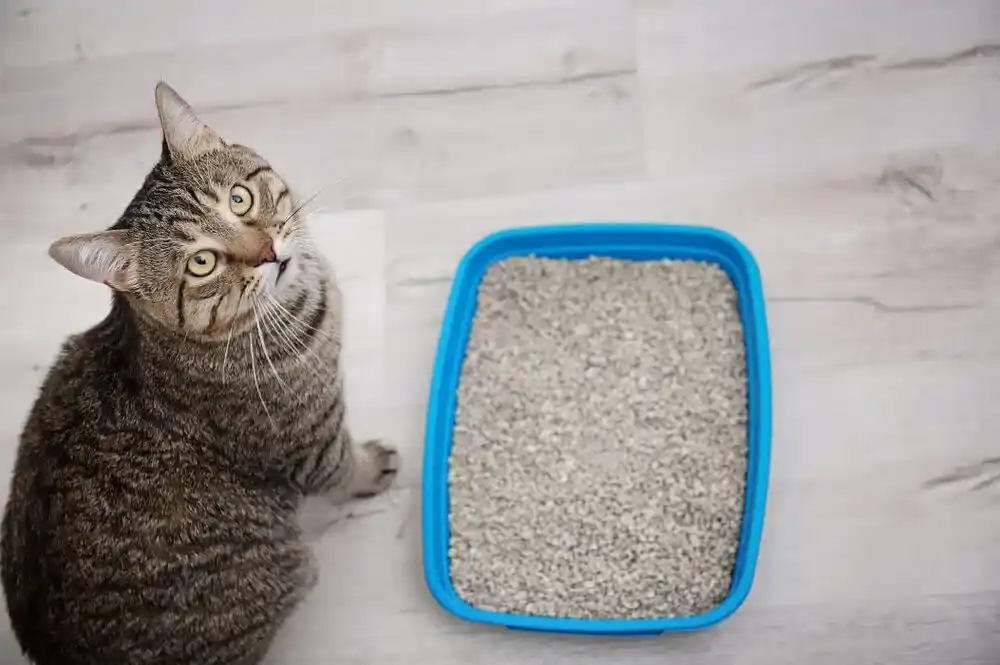
Choosing the right cat litter is far more important than most people realize. For your feline friend, the litter box isn’t just a bathroom—it’s a critical part of their daily comfort, happiness, and health. When the litter isn’t right, it creates stress, leads to accidents, and can even cause health issues for both cats and their humans.
Today, the variety of litter types on the market can overwhelm even the most seasoned cat owners. Clay, silica, natural materials, pellets—the choices seem endless. But fear not. This guide breaks it all down so you can make the best decision for your cat, your home, and your lifestyle.
Why Cat Litter Matters More Than You Think
Before diving into the types of litter, it’s crucial to understand why the right choice matters. Cats are naturally clean animals. They instinctively seek out soft, sand-like materials to dig, bury, and eliminate. A litter box that feels wrong to them—whether because of texture, smell, or cleanliness—can quickly become a source of anxiety.
When the litter doesn’t meet their needs, cats don’t hesitate to send a message. They may refuse to use the box altogether, choosing instead to eliminate elsewhere. Worse yet, they might develop urinary issues caused by holding it in for too long. On top of that, certain litter materials can trigger allergies or respiratory issues for both cats and humans.
This is why selecting the right cat litter isn’t just about convenience—it’s about fostering your cat’s physical and emotional well-being.
Types of Cat Litter: Which One Fits Your Feline?
Let’s explore the most common types of litter, along with their pros and cons.
Clay Litter: The Most Popular, But Is It the Best?
Clay remains the most commonly used litter, and for good reasons. It clumps well, making scooping easy and keeping odors under control. Its texture mimics natural sand, which most cats instinctively prefer.
However, clay litter has some downsides. It produces significant dust, which can irritate respiratory systems. Both humans and cats can suffer from allergies if exposed for too long. Additionally, clay tends to track outside the litter box, spreading tiny particles across your floors.
Environmental concerns also arise with clay. The mining process required to produce it is far from eco-friendly. Plus, disposing of it contributes to landfill waste.
Silica Gel Litter: High Absorption, Lower Maintenance
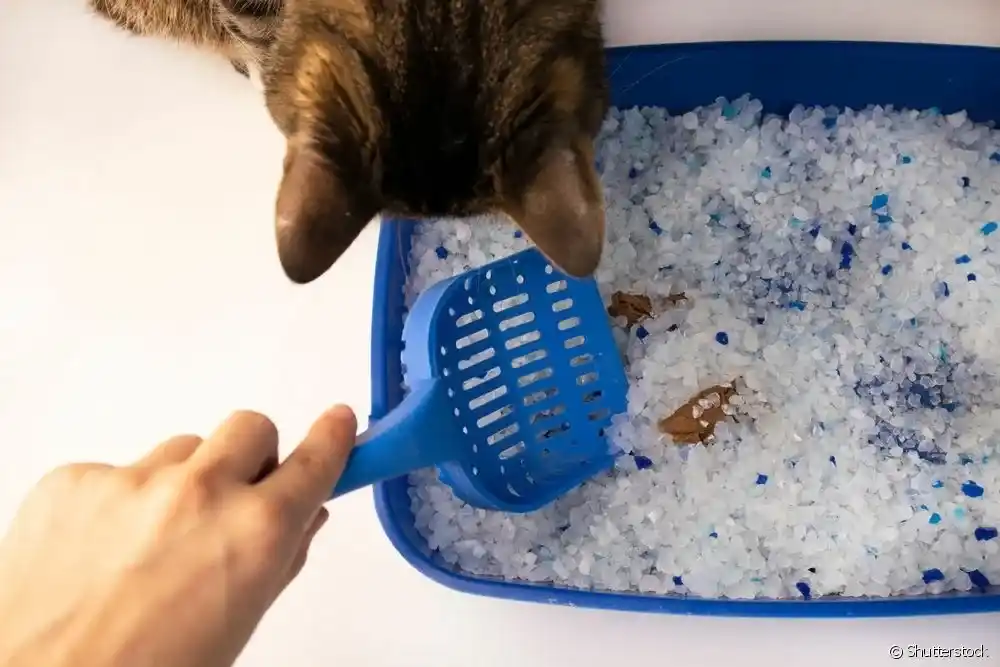
Silica gel litter consists of tiny crystals designed to absorb moisture and control odor. It doesn’t clump; instead, it traps urine within the crystals until it fully evaporates. This allows the litter to last longer between full changes.
Sounds convenient, right? Unfortunately, silica isn’t perfect. Some versions contain harsh chemicals, and the coarse crystals may feel uncomfortable on sensitive paws. Dust from silica can cause respiratory problems over time, especially with prolonged exposure. For humans, inhaling this dust may lead to lung issues, while cats risk chronic respiratory irritation.
Natural Alternatives: Wheat, Corn, Grass, and Walnut
Eco-conscious cat owners often gravitate toward plant-based litters. Options like wheat, corn, grass, and walnut offer biodegradable alternatives to clay and silica.
These natural litters tend to be lighter, softer, and easier to handle. Many form clumps efficiently, simplifying cleanup. However, there are potential risks. Organic materials can attract pests if not stored properly. Corn-based litter, in particular, has a known vulnerability to mold growth, which can produce harmful toxins like aflatoxins.
In addition, the scent and softness of plant-based litters may confuse some cats. If it feels like food, they might try to eat it—which creates digestive risks. Allergies can also be an issue with wheat or grass-based options.
Pine and Wood Litters: Sustainable but Not Always Loved
Wood-based litters, often made from pine or cedar, provide another sustainable option. Available in both pellet and fine-grain forms, these litters naturally neutralize odors thanks to the wood’s absorbent properties.
However, heavily scented pine may overwhelm your cat’s sensitive nose. Pellet versions, while good for controlling moisture, feel uncomfortable under paw and limit a cat’s ability to dig and bury waste properly. While grain-based wood litters solve the comfort issue, they still fall short in odor control compared to clumping clay.
Cat Litter: Paper Litter is Soft and Gentle but Messy
Made from recycled paper, this type comes in pellet form. Paper litter offers a soft texture and produces virtually no dust, making it ideal for cats recovering from surgery or with open wounds.
Unfortunately, paper doesn’t clump. Liquids spread, making odor control a real challenge. Scooping becomes tedious, and full litter changes are frequent.
Special Considerations for Cat Litter Selection
Not every cat has the same needs. Several factors influence which litter is best for your household.
Mobility and Age
Senior cats and those with mobility issues need a stable surface that doesn’t shift underfoot. Large-grain or pellet litters can feel like walking on marbles, causing discomfort. Opting for fine-grain, clumping litter allows older cats to move comfortably and dig with ease.
Paw Sensitivity
Cats who have been declawed—or who suffer from paw injuries—require extra-soft litter. Hard crystals, large grains, or pellets will hurt their sensitive paws, leading them to avoid the box. A smooth, sandy texture works best for these cats.
Allergies and Respiratory Health
Both cats and humans can suffer from litter-related allergies. High-dust formulas exacerbate respiratory issues. Look for low-dust or dust-free options, particularly if your cat sneezes frequently or has watery eyes.
Additionally, synthetic fragrances in scented litter overwhelm a cat’s powerful sense of smell. What smells “clean” to humans can feel suffocating to a feline.
Kittens and Litter Ingestion
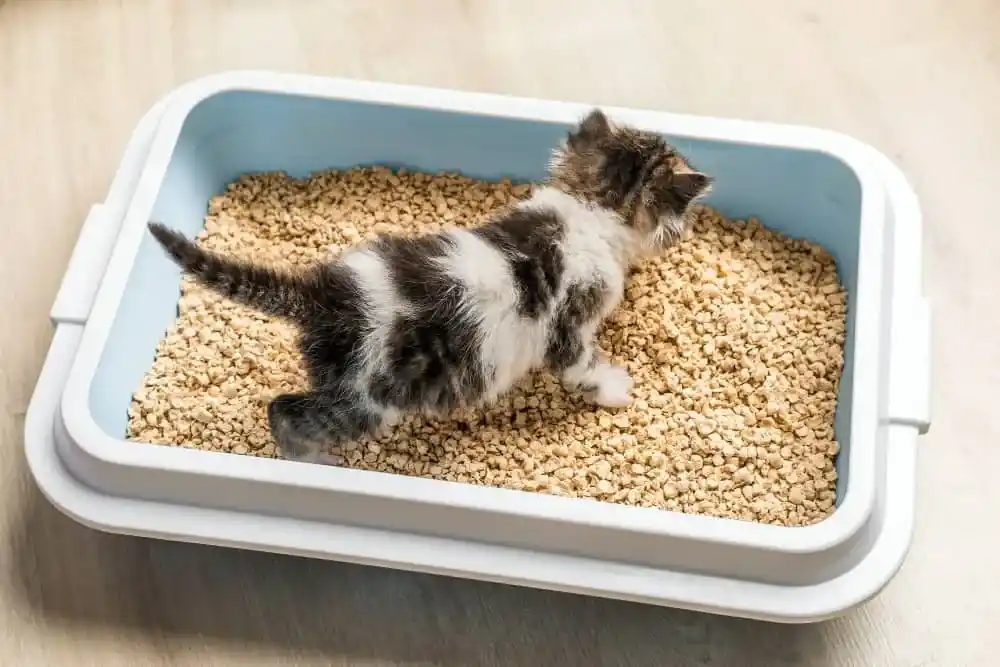
Kittens explore the world with their mouths. They often nibble on litter, especially when young. Clumping litter poses a serious risk here; when ingested, it can form blockages in their tiny digestive systems. Stick to non-clumping or paper-based litter until they grow out of this stage.
How to Transition to a New Cat Litter Smoothly
Cats are creatures of habit. Abruptly switching litter types can backfire, leading to accidents or outright refusal to use the box. A gradual transition works best.
Start by mixing 25% of the new litter with 75% of the old.
Each week, increase the new litter ratio by 25%.
Observe your cat’s behavior carefully. Signs of discomfort include hesitation before entering, avoiding digging, jumping out immediately after use, or eliminating outside the box.
Patience during this process ensures long-term success and keeps both you and your feline stress-free.
Creating the Perfect Cat Litter Box Setup
Choosing the right litter is just one piece of the puzzle. Your litter box setup plays an equally crucial role.
Cleanliness Is Everything
Cats demand a clean litter box. Dirty litter drives them away faster than anything else. Ideally, scoop at least once daily. Replace the entire litter weekly, or more often if using non-clumping varieties.
Deep cleaning with unscented soap and hot water every couple of weeks keeps bacteria and odors under control.
Location, Location, Location
Place the litter box in a quiet, low-traffic area. Loud noises, sudden disturbances, or proximity to washing machines or dryers create stress.
Avoid putting the box near food and water. Cats instinctively prefer to separate eating from eliminating.
Depth Matters
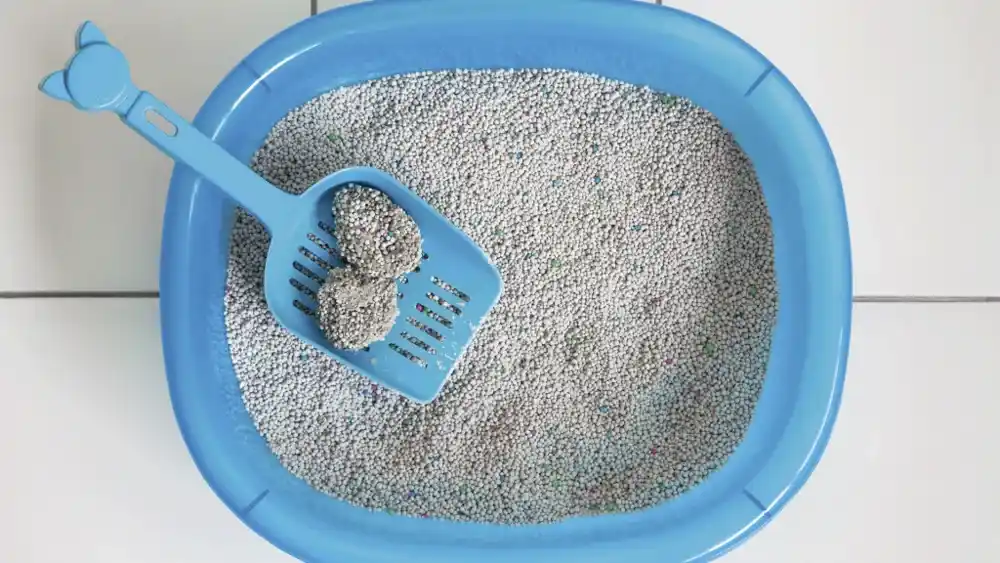
Fill the box with at least 3 to 4 inches of litter. This allows cats to dig, bury, and express natural behaviors, which also helps trap odors effectively.
Contain the Mess
Litter scatter happens, especially with finer grains. A textured mat outside the box traps particles from paws before they hit the rest of your home. These mats act like a doormat for your cat, significantly reducing cleanup.
Use Sifting Tools
Sifting screens or multi-layered litter boxes make cleaning faster and more efficient. With the right tools, you preserve clean litter longer while minimizing waste.
Listening to Your Cat’s Feedback
Your cat constantly communicates through behavior. Ignoring the litter box signals often leads to larger problems. If your cat suddenly stops using the box, consider it a red flag. Stress, illness, or dissatisfaction with the litter setup may be the cause.
Immediate steps should include:
Checking the cleanliness of the box.
Evaluating whether any recent changes (litter type, box placement) are causing discomfort.
Consulting a vet if health concerns are suspected.
Final Thoughts on Choosing the Best Cat Litter
Selecting the right cat litter isn’t just a routine decision—it’s an essential part of providing your cat with a safe, comfortable, and stress-free home. From understanding litter materials to designing the ideal setup, every detail matters.
The right choice keeps your cat happy, reduces stress, and even strengthens the bond between you and your feline companion. Pay attention to your cat’s preferences, stay consistent with cleaning, and choose products that support both their health and your household’s well-being.
Your cat deserves nothing less.