
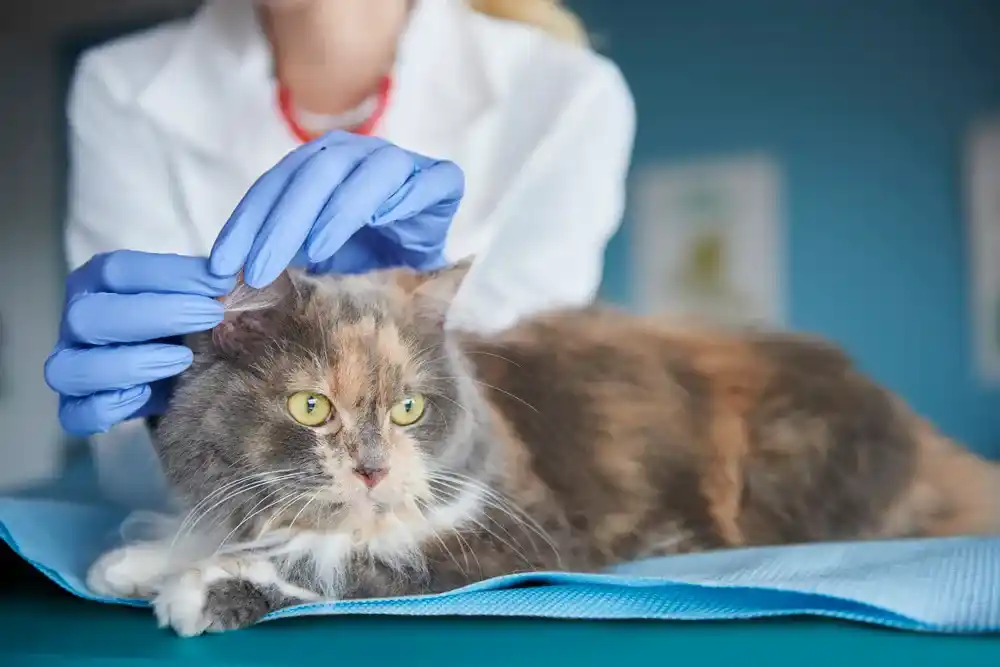
Protecting your cat from parasites is one of the most important aspects of feline health care. Using a cat dewormer regularly not only removes harmful worms but also prevents them from returning. This expanded guide covers everything you need to know — from how dewormers work to natural tips, dosage schedules, and answers to the most common questions.
Understanding a Cat Dewormer and Why It Matters
A cat dewormer is a veterinary medication that targets intestinal worms such as roundworms, hookworms, tapeworms, and whipworms. Some cats may be infected without showing any obvious signs. However, untreated worms can lead to poor nutrient absorption, anemia, stunted growth in kittens, dull coat, weight loss, and in severe cases, life-threatening conditions.
Parasites can be picked up through contaminated soil, hunting rodents, infected mother’s milk, fleas, or contact with other animals. Because of these multiple sources, even indoor cats are not entirely risk-free.
Most Common Types of Worms in Cats
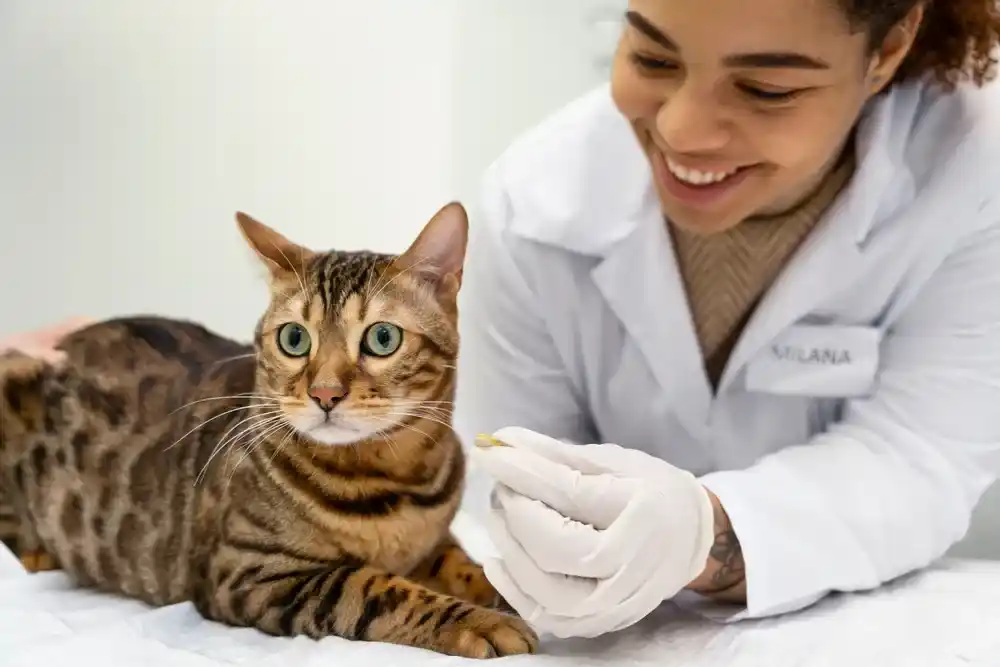
Before choosing the right cat dewormer, it’s helpful to know the main types of worms that can affect your cat:
| Worm Type | How Cats Get It | Common Signs |
|---|---|---|
| Roundworms | Mother’s milk, feces, soil | Bloated belly, diarrhea, worms in stool |
| Hookworms | Contact with soil/feces | Anemia, weakness, pale gums |
| Tapeworms | Swallowing infected fleas | Itchy rear, segments near anus, weight loss |
| Whipworms | Rare, from soil or prey | Diarrhea, weight loss, lethargy |
Cat Dewormer: How It Works
A good cat dewormer works by targeting the parasite’s nervous system or digestive system, causing the worms to detach and pass naturally through your cat’s stool. Some dewormers are broad-spectrum, while others focus on a specific type.
Common Active Ingredients and Their Targets:
| Ingredient | Works Against |
|---|---|
| Pyrantel Pamoate | Roundworms, Hookworms |
| Praziquantel | Tapeworms |
| Fenbendazole | Roundworms, Hookworms, Whipworms |
| Emodepside | Broad-spectrum, roundworms, hookworms |
| Selamectin / Moxidectin | Some spot-ons, target multiple parasites |
Never use a dewormer intended for dogs on cats — the dosages and ingredients can be toxic.
How Often Should You Use a Cat Dewormer?
The frequency depends on your cat’s age, lifestyle, and environment:
Kittens: Every 2 weeks from 3 weeks old until 12 weeks old, then monthly until 6 months.
Adult Indoor Cats: 1–2 times per year, based on vet advice.
Adult Outdoor Cats: Every 3 months, as they’re more exposed.
Pregnant/Nursing Queens: Deworm before mating, during pregnancy if your vet approves, and after giving birth to protect kittens.
Your vet may recommend fecal exams once or twice a year to detect any hidden parasites.
Administering a Cat Dewormer: Practical Tips
Cats are notorious for refusing pills. Here’s how to make it stress-free:
Pills or Tablets: Use tasty pill pockets or hide the tablet in a small piece of soft meat.
Liquid Dewormers: Mix with a small portion of wet food your cat loves.
Spot-On Dewormers: Easy for cats who hate oral medication; just part the fur and apply to the skin.
Follow Up: Watch your cat afterward for mild side effects like drooling or soft stool. These usually pass quickly.
Always complete the full course — skipping doses allows some worms to survive.

Cat Dewormer and Flea Control: Why They Go Hand in Hand
Fleas play a big role in spreading tapeworms. If you find your cat has fleas, treating only the worms is not enough — the fleas must be eliminated too. Use vet-approved flea preventatives alongside your cat dewormer routine to break the cycle.
Keeping the Environment Clean to Prevent Reinfection
Scoop litter boxes daily and wash them with hot water.
Vacuum carpets and furniture to remove eggs and larvae.
Wash bedding, blankets, and soft toys weekly.
Keep outdoor cats away from known rodent areas if possible.
Practice good hygiene — wash your hands after handling litter or soil.
Are Natural Dewormers Effective?
Some owners prefer natural remedies like ground pumpkin seeds, food-grade diatomaceous earth, or certain herbs. While these may have mild supportive benefits, they cannot fully replace a proven cat dewormer. Always talk to your vet before using natural products, especially for young or immunocompromised cats.
Cat Dewormer: Frequently Asked Questions (FAQ)
1. Can I deworm my cat at home without a vet?
Yes, for routine deworming, you can use an over-the-counter cat dewormer if your vet has guided you on which one to choose. But always confirm the type of worm first.
2. My indoor cat never goes outside. Does it still need deworming?
Yes. Indoor cats can get worms through fleas, contaminated soil on shoes, or infected prey like mice that get into the house.
3. Can humans catch worms from cats?
Some parasites, like roundworms and hookworms, are zoonotic. Practice good hygiene, especially around young children, to avoid accidental transmission.
4. How long does a cat dewormer take to work?
Most dewormers start working within hours, but you might see worms in your cat’s stool for a few days. Follow up with any repeat doses as advised.
5. What should I do if deworming doesn’t work?
If you still see signs of worms after a full course, revisit your vet. A stool sample may help identify the specific parasite and ensure the treatment is effective.
Final Tips for a Healthy, Worm-Free Cat
Keep up with routine vet visits.
Use flea prevention regularly.
Maintain a clean home environment.
Stick to a deworming schedule that fits your cat’s lifestyle.
Never guess your cat’s dosage — weigh your cat and follow your vet’s instructions.
Always use a cat dewormer that’s approved for feline use only.
Keeping parasites at bay means your cat will live a healthier, happier life — and you’ll have peace of mind knowing you’re providing the best care possible.